
For decades, estate planning has carried a reputation for exclusivity; expensive, opaque, and primarily designed for the wealthy. But technology, and especially AI, is dismantling those barriers.
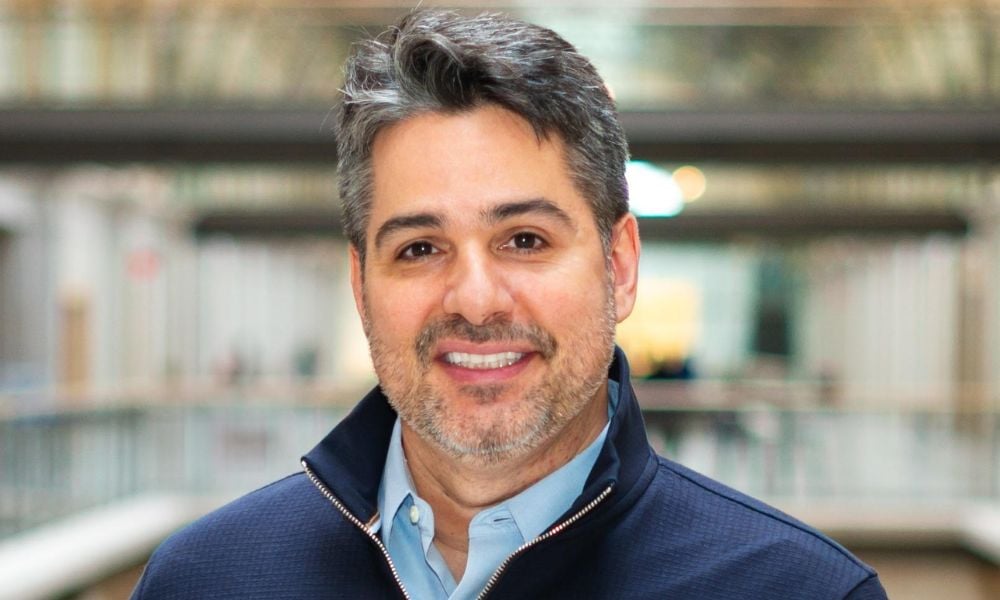
As Rafael Loureiro, co-founder and CEO of Wealth.com tells InvestmentNews that the industry is undergoing a massive shift toward accessibility, clarity, and ongoing guidance and providing solutions to the majority of Americans who felt estate planning was out of their reach.
“For a long time, estate planning was this thing that only happened if you had a certain net worth or knew the right attorney,” he says. “The friction was real: cost, complexity, just knowing where to start. Digital platforms have made it possible for any family to create a solid estate plan without the old gatekeepers.”
AI, in particular, is accelerating this transformation by simplifying decisions and clarifying documents.
It can review documents, spot inconsistencies, and walk someone through decisions in plain language so that advisors aren’t limited to serving just their ultra-high-net-worth clients anymore but everyone including young families, mid-career professionals, and people who never thought this was something they needed to worry about yet.
“What excites me is that we're moving from estate planning as this luxury service to something that's just part of good financial hygiene,” he says. “It's becoming as routine as having a 401(k) or term life insurance. And when advisors can deliver that at scale, it changes the relationship. It's not transactional anymore, it becomes part of a real, ongoing partnership.”
AI also helps keep estate planning alive, by turning it into a system that adapts as clients’ lives change.
“Instead of waiting for the client or advisor to remember that something needs updating, the technology is constantly monitoring,” he says. “New tax law gets passed? The system flags which clients are affected. A client updates their address in their CRM? It checks if their documents reflect the right state laws. Beneficiary turns 18? Time to revisit the trust structure.”
Historically, the estate planning process has been riddled with barriers and Loureiro points to his own experience as an example.
“My financial advisor is my person, he helps me plan for everything: investments, insurance, my family's financial future,” he shares. “But when it came time to do estate planning, I got handed off to a lawyer I'd never met. I expected this attorney to know me, to understand my situation. Instead, I got a Word document with blanks to fill in.”
Thousands of dollars later, he had a set of documents.
“I think everything I told the lawyer made it in there, but honestly, I wasn't sure. And here's the thing, that's not an uncommon experience. It's clunky, expensive, and disconnected from the person who actually knows your financial life,” he says, adding that it feels intimidating, the cost is opaque, and nothing is coordinated.
But technology is a game changer with platforms putting the financial advisor at the center.
“Which makes sense, because if something happens to me, my wife is calling him/her, not a lawyer she met once,” Loureiro says, adding that with AI “instead of months of back-and-forth, you can have a comprehensive plan done in hours. Lawyers still come in when they're needed, for complex situations, state-specific nuances, but they're collaborating with the advisor, not replacing them.”
He says that means a far higher level of completion rates and an experience that actually matches the importance of what you're planning for.
Advisors are now using technology to make estate planning conversations less intimidating.
“The best advisors know that estate planning isn’t just technical, it’s emotional,” Loureiro says. “You're talking about mortality, family dynamics, and legacy. So the last thing you want to do is bury someone in legal jargon or hand them a 40-page PDF they'll never read.”
Visual tools turn abstract structures into something approachable which clients can visualize and see how assets flow.
Meanwhile, automation plays a key role too.
“Automation ensures every document aligns with current legal and compliance standards while evolving alongside a client’s life circumstances,” says Loureiro. “Intelligent workflows replace hours of manual effort by detecting inconsistencies, surfacing required updates, and tracking progress in real time. At the same time, automation enhances personalization by tailoring clauses, structures, and recommendations to each family’s goals and jurisdiction. Rather than replacing the advisor, technology scales their expertise, enabling them to deliver precision, insight, and care at a level that wasn’t possible just five years ago.”
Because estate planning touches family and legacy, Loureiro says that communication is central.
“Too often, advisors only learn about key details of a client’s estate plan after the client has passed, which leaves them at a disadvantage. The legacy advisors help shape should be just as central as the financial plan itself. And that starts with communication early, and often,” he says. “We encourage advisors using Wealth.com to bring estate planning into the very first onboarding meeting. Many bring it up during the first prospect meeting. At its core, communication is what turns estate planning from a transaction into true long-term stewardship.”
Three macro forces are bringing more families into the estate-planning conversation, Loureiro says.
“First, the $124T generational wealth transfer is well underway, prompting families to organize assets more thoughtfully. Second, clients are increasingly comfortable with digital solutions after years of remote collaboration. And third, financial advisors are expanding their role to cover holistic life planning,” he says. “Estate planning now sits at the intersection of family, finance, and technology. As awareness grows, more clients see it as essential, not optional, to their overall financial strategy.
Looking ahead, Loureiro envisions a world where estate planning is continuous and routine: “Estate planning will become continuous, adaptive, and deeply personalized… an integrated part of everyday financial wellness.”

What will financial advice look like 20 years from now? Evan Vladem explores how AI may transform wealth management while reinforcing the enduring value of human guidance, trust, and empathy.

The Boston deal is set to push the PE-backed consolidator past $187 billion amid a broad RIA M&A slowdown and a potential shift in its ownership.

Advisors with clients who own second homes in New York City face fresh uncertainty as the city seeks a stay and plans an appeal.

Meanwhile, a deal in the Midwest gives NorthRock Partners a new office in Wisconsin, while two teams join OnePoint BFG in Georgia and Atlanta.

These challenges are “changing the economics we see retirement savers face,” said Christopher Ceder of Goldman Sachs Asset Management
As AI makes financial information more accessible than ever, Lana Hock explains why human judgment, trust, and empathy remain the qualities clients value most in a financial advisor
Northern Trust’s Ken Lassner shows advisors how to convert volatility into after-tax portfolio gains

