
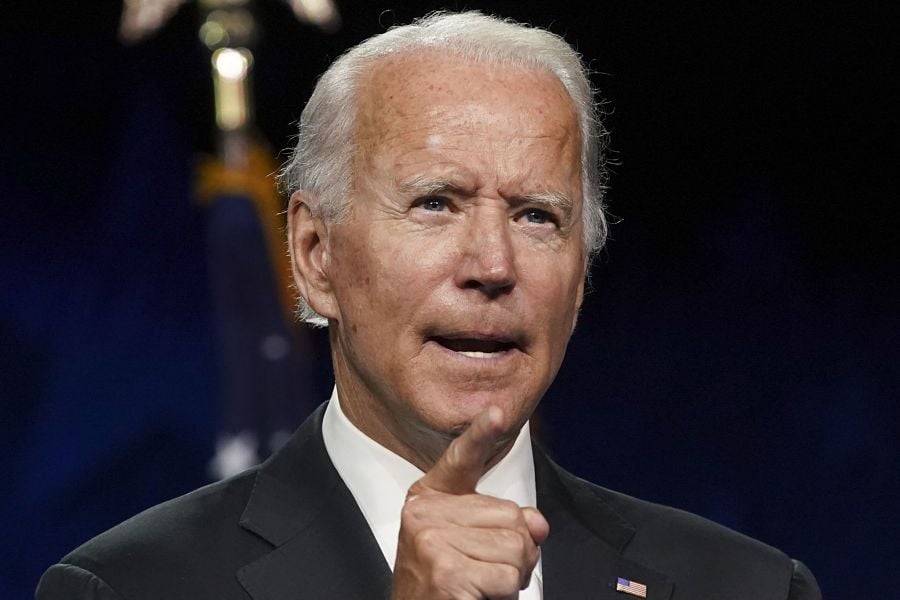
President Joe Biden is proposing a series of new tax increases on billionaires, rich investors and corporations in his latest proposal for how Congress should prioritize taxes and spending.
Biden’s budget request to Congress, which is slated to be released Thursday, calls for a 25% minimum tax on billionaires, according to a White House official familiar with the proposal who declined to be named because the plan is not yet public. The plan would also nearly double the capital gains tax rate for investment, to 39.6% from 20%, and raise income levies on corporations and wealthy Americans.
The proposal, which is largely a reprise of Biden’s multitrillion dollar Build Back Better economic package, has little chance of passing Congress, particularly now that Republicans control the House of Representatives. Biden was unable to pass similar tax increases when Democrats enjoyed control of both chambers of Congress, instead settling for slimmed down legislation focusing on energy and health policy known as the Inflation Reduction Act.
But the White House’s proposal foreshadows both Democrats’ strategy ahead of high-stakes negotiations over the debt ceiling and government spending later this year, as well as the economic platform underpinning an expected Biden reelection campaign.
Administration officials argue that the proposals show a commitment to cutting the deficit — projecting that Biden’s budget would slash $3 trillion largely through increased revenues over the next decade — and represent a politically popular return to tax levels in place before former President Donald Trump’s tax reform legislation. Taxes on the wealthy and large corporations have been a rallying cry for progressives for years and polls repeatedly show they are favored by a majority of Americans.
House Speaker Kevin McCarthy immediately dismissed Biden’s plans to increase levies, telling reporters Wednesday “I do not believe raising taxes is the answer.”
The Biden proposal would require that the richest 0.01% of Americans pay at least a 25% tax rate. It would also increase the top tax rate for Americans making $400,000 to 39.6% from 37%, reversing one of Trump’s tax cuts — though tax rates for those making below that amount would remain untouched. It additionally calls for investors making at least $1 million to pay that 39.6% on their long-term investments, which are currently taxed at a 20% rate.
The proposal would increase the corporate tax rate to 28% from 21%, undoing another signature Trump tax change. It would also eliminate a loophole that business owners and higher-earners can exploit to avoid paying levies for the Medicare Hospital Insurance Trust Fund on more of their income. White House officials so far have not indicated that Biden’s budget includes new Social Security payroll taxes on wages above $400,000, which some Democrats have proposed to shore up the program.
Biden is also calling for an end to valuable industry-specific tax breaks for private equity fund managers and oil companies, as well as investors in crypto and real estate, in his upcoming budget proposal, according to a summary of the plan. Eliminating these would upend the economics of many real estate and investment fund deals — forcing Wall Street to reinvent the way that many transactions have been done for decades — if they were to become law.
Biden is proposing eliminating the carried-interest tax break, which allows private equity managers and venture capitalists to pay lower rates on their earnings from the investments they make.
The Biden plan also ends a longstanding tax break for real estate investors who can avoid paying capital gains taxes on their profits if they continue to invest the proceeds in other properties.
The administration is also calling to end a break that allows crypto investors to sell their assets at a loss — generating big tax savings — and then immediately repurchase those currencies.
In addition, all special tax preferences for oil and gas companies would be terminated, saving $31 billion.

Salespeople at the firm often went beyond the matching algorithm to recommend network advisors on its Zoe Wealth platform, according to the regulator.

The Protect College Sports Act would cap school payments and codify NIL rights, with implications for advisors guiding young athletes.

"I know the number that I want to be able to retire on, and now I just want out," says Wilmington Trust's Marguerite Weese, describing a common refrain among business-owner clients.

Bessemer and Brown Brothers Harriman veteran Robert Ludricks III and private markets specialist Olof Akesson join the ultra-high-net-worth push on the East Coast.

765 investors were promised 260% annual returns on truck leases
As AI makes financial information more accessible than ever, Lana Hock explains why human judgment, trust, and empathy remain the qualities clients value most in a financial advisor
Northern Trust’s Ken Lassner shows advisors how to convert volatility into after-tax portfolio gains

