
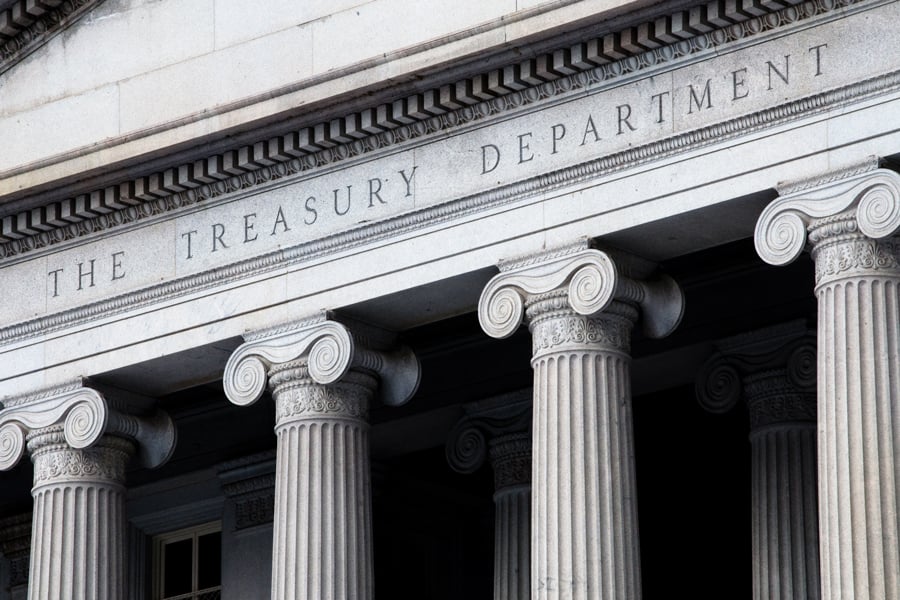
An unpleasant surprise for wealthy Americans was lurking halfway through a 114-page document released by the Treasury late last month. Technical provisions in the proposal — not mentioned when President Joe Biden presented his plans to raise taxes on the rich in April — could disrupt or dismantle some of the most popular ways super wealthy people have legally avoided taxes for decades.
One target is dynasty trusts, vehicles that wealthy families can use to benefit multiple generations of descendants. Another is an even more common tool among the top 0.1% — trusts that can move millions, and sometimes billions, of dollars to heirs tax-free.
“This is the stuff that’s really going to make a difference,” said Joe Maier, director of wealth strategy at Johnson Financial Group. “It’s going to make a difference in the anxiety that wealthy people and their advisers have, and would really make a difference in the revenue the government collects.”
Biden’s so-called Green Book, the Treasury document laying out these details, specifically takes aim at dynasty trusts — vehicles that are able to exist for generations without incurring gift, estate or generation-skipping transfer taxes. The proposal would force trusts to pay capital gains tax on appreciated assets every 90 years, but it’s drafted in a way that would impose taxes as early as Dec. 31, 2030.
The change would cause planners to think twice about the strategy, said James F. Hogan, a managing director at Andersen Tax who previously worked at the Internal Revenue Service. “Do you really want to do a dynasty trust when you know you’re going to have an income tax anyways?”
Biden’s plans to make heirs pay more, equalize rates between investors and workers, and boost taxes on corporations and the wealthy by raising rates are part of a global revival of initiatives to target the rich — a movement that has gained momentum since Covid-19 blew massive fiscal holes in government budgets around the world. From Buenos Aires to Stockholm to Washington, authorities have proposed or implemented new taxes on capital gains, inheritances, and wealth to raise money for social services and infrastructure programs.
Biden’s proposed plan would also charge a capital gains tax when assets are transferred into, or distributed from, certain kinds of trusts. A Treasury official said that aspect of the plan specifically targets tools like the intentionally defective grantor trust — a common, if complicated, technique that can allow the wealthy to move money out of their taxable estates to benefit heirs.
“That’s a big blow to take that out of our arsenal,” said Ronald D. Aucutt, senior fiduciary counsel at Bessemer Trust.
The measures are designed to plug potential loopholes in Biden’s plans to boost capital gains taxes on the wealthy to ordinary income rates, and to tax gifts and large unrealized gains at death. The president also proposed raising levies on corporations and increasing the enforcement budget of the IRS.
The more that advisers to the wealthy examine Biden’s proposals, the more they’re realizing how significant the changes could be.
“What they’re doing is creating a whole new tax regime,” said Richard Greenberg, a lawyer at Greenberg & Schulman in Woodbridge, New Jersey.
“We’re going to have to do a lot of re-examination of a lot of techniques,” Greenberg said, and that means not just reconsidering future planning but looking at “what we’ve done in the past” for clients.
Unmentioned by the White House so far are any changes to the estate and gift tax, a levy of as much as 40% affecting only very large fortunes that was created more than a century ago to break up dynastic wealth. But by targeting the powerful tools that allow the rich to avoid the estate tax entirely, the Biden administration may end up causing an even bigger headache for the wealthy.
Advisers interpreting the Green Book can’t be sure exactly how the provisions will work in practice. The final language in any tax bill will be up to Congress and assuming legislation is eventually enacted, some details might not be even settled until the IRS issues regulations.
In any case, the proposal to tax property transfers into and out of trusts “would significantly change several current planning techniques,” said Karl Swaidan, a partner at Hahn & Hahn, adding he worries about unintended consequences. “The rule appears vague and may be another example of legislation casting too wide a net in addressing specific techniques.”
While the wealthy and their advisers wait for details of Biden’s tax package to firm up, there’s little they can do except worry how the provisions might affect them.
“The underlying feeling at the client level is uncertainty and fear because of the lack of predictability about what the tax laws hold,” said Megan Jones, a tax law attorney at Pillsbury Winthrop Shaw Pittman. “I’ve used the technical term ‘freaking out,’” she joked. “Clients have a lot more questions and a lot more concerns.”

Salespeople at the firm often went beyond the matching algorithm to recommend network advisors on its Zoe Wealth platform, according to the regulator.

The Protect College Sports Act would cap school payments and codify NIL rights, with implications for advisors guiding young athletes.

"I know the number that I want to be able to retire on, and now I just want out," says Wilmington Trust's Marguerite Weese, describing a common refrain among business-owner clients.

Bessemer and Brown Brothers Harriman veteran Robert Ludricks III and private markets specialist Olof Akesson join the ultra-high-net-worth push on the East Coast.

765 investors were promised 260% annual returns on truck leases
As AI makes financial information more accessible than ever, Lana Hock explains why human judgment, trust, and empathy remain the qualities clients value most in a financial advisor
Northern Trust’s Ken Lassner shows advisors how to convert volatility into after-tax portfolio gains

