
There’s an old maxim on Wall Street that commands investors to hold onto their winners.
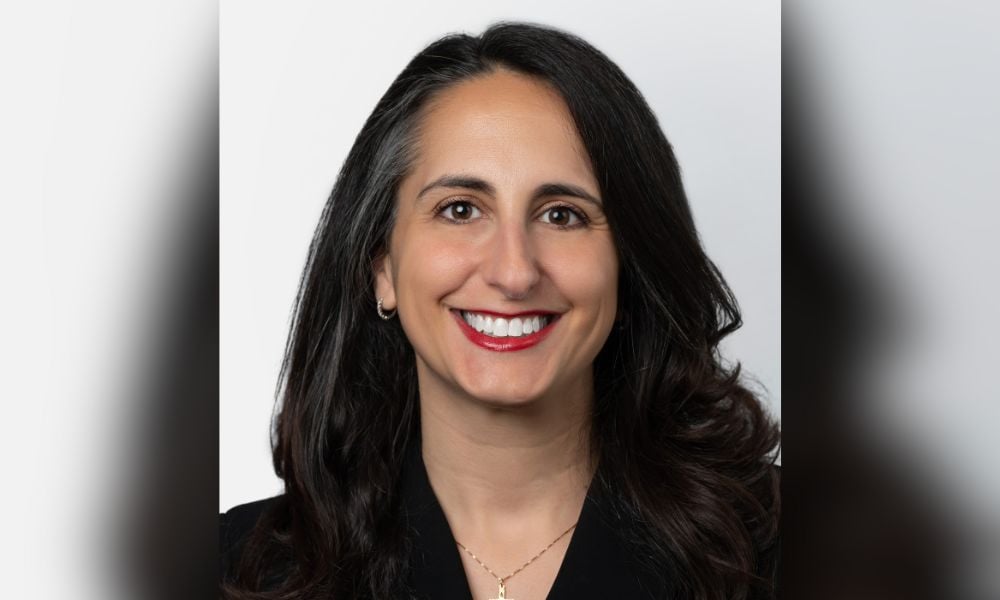
Of course, it doesn't say where to hold them though. And that could make all the difference at tax time, according to Amanda Regnier, senior wealth strategist at CIBC US Private Wealth.
Regnier points out that high-net-worth investors have a lot of choices when it comes to tax efficient philanthropy. One option is to donate appreciated positions directly to an organization that has the capacity to receive those securities. They can make the transfer directly or through a donor advised fund.
The wisdom here, Regnier said, is that it is more efficient to take that appreciated position out of a portfolio without recognizing the gain and donate it directly to the charitable organization where one can then take a deduction, subject to their deduction limitations, for the value that the asset was trading at on that day.
In her view, that’s a much smarter maneuver that “exiting the position by selling it, realizing a capital gains tax, paying that tax, reducing the value of your portfolio and then making a contribution of cash.”
It’s a different matter and mechanism when it comes to qualified charitable distributions (QCD) from an IRA however.
“The qualified charitable distribution is something you can do when you feel like you've got enough money to spend. This required minimum distribution is more of a tax problem than it is a windfall, and you're charitable anyway. You can actually peel out part of your required minimum distribution and send it directly to a charitable organization,” Regnier said, adding that one can do a little over $100,000 per account owner.
That said, with only a few weeks left to go before Tax Day, there’s not much a filer can do to save on their payment to Uncle Sam, no matter how high their net worth or how large the donation.
“There's not a lot you can do now a month before your return is due. We do find that people become more tax sensitive around tax time,” Regnier said. “But the good news is you have the rest of 2025 to make some tax smart moves and some charitable moves as you go through. And maybe your 2026 tax bill will be a little bit better because of it.”
Finally, Regnier reminds clients that they need not be Rockefellers or Vanderbilt’s to take advantage of tax efficient vehicles like donor advised funds.
“A donor advised fund is really for anybody, especially in light of our very high standard deductions right now,” Regnier said. “People are finding that they're not able to realize deductions for their charitable contributions when they're making them piecemeal year-by-year, because they're not itemizing.”
“If instead you make a really large charitable donation in one year to a donor advised fund and then dole it out over time so as not to overwhelm your beneficiaries then you might actually contribute enough to the donor advised fund in that year to exceed the standard deduction and get a tax benefit for it,” Regnier said.

Merrill's latest hires span Colorado to Louisiana, even as industry-wide recruiting data suggests the firm is losing almost as many advisors as it gains.

The $36 million buy allegedly hid inflated books and a $50 million diversion.

“An award citing emotional distress is very unusual,” an industry executive said.

New EBRI research found workers who participated in employer financial education reported higher confidence, literacy and financial satisfaction.

Beyond operational excellence, the winning advisors of the future are the ones who can reach across multiple disciplines without discarding specialist skills.
Northern Trust’s Ken Lassner shows advisors how to convert volatility into after-tax portfolio gains
Dan Biagini of American Equity says the steady decline of pensions, longer lifespans and a reset in interest rates are rewriting how advisors build retirement income

