
Financial anxiety isn’t just a budgeting issue, it’s a wellness crisis, according to a new report released today (11/5).
The 2025 MassMutual Health & Wealth Habits Report reveals that most respondents recognize the connection between their money and their wellbeing, but many can’t afford to act on it. And the survey of 1,000 adults found that 80% believe they make better financial decisions when they’re actively investing in their health, while just 36% say they have to sacrifice aspects of their health because of financial pressures.
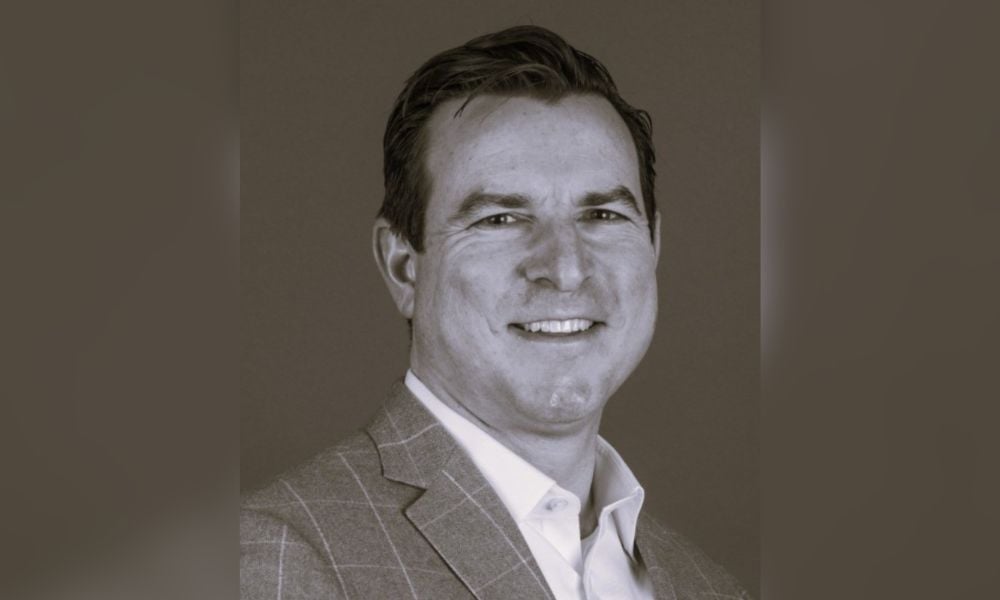
Vaughn Bowman, CFA, head of wealth management with MassMutual, has been speaking with InvestmentNews about the findings of the report and how advisors can proactively address them.
“It starts with introducing a simple and powerful concept that most people simply do not think about every day, and that’s the fact that health and wealth habits and outcomes in life are tightly linked together, as our recent research shows,” he says.
The generational gaps were stark across the study with Baby Boomers consistently rating themselves higher in physical, mental, and financial health compared to younger generations. Younger adults were also far less likely to maintain regular wellness routines including everything from annual checkups to balanced diets and were much less likely to pay off credit card balances or invest in assets like stocks or bonds.
Bowman said this is where advisors can help by breaking big goals into manageable steps.
“Starting – or knowing where to start – is the oftentimes the hardest step,” he says. “The thought of financial planning may sound insurmountable so breaking up the planning process into digestible and specific to-do’s can help small accomplishments lead to a sense of satisfaction and a desire to keep going and doing more.”
The survey shows that the link between financial stability and personal health is not just psychological, it’s behavioral. Those who rate their finances as above average are almost four times more likely to describe their physical health as above average, and more than three times as likely to say their mental health is strong.
Those who feel financially stable are also more likely to stick to good health habits, such as exercising, getting sufficient sleep, and eating well. But for many others, the relationship between money and health is cyclical with financial stress leading to worse health decisions, which can further destabilize finances.
“Hit the issue head-on,” Bowman says. “Make it a tangible goal to help clients sleep better at night by working together to create an all-weather plan for whatever happens in life (or the markets). It is unlikely to completely do away with all worries and stress, however, having a plan gives clients the best chance of minimizing them.”
The report found one in three respondents loses sleep because of financial worries, with sleeplessness hitting 59% of Gen Z and 42% of Millennials. Among those who toss and turn over money, more than half say they lose two to three hours of sleep a night and many admit it worsens their financial situation and mental health over time.
MassMutual’s findings also highlight the hidden costs of living longer.
Sixty-eight percent of respondents believe that reaching 100 would come with serious financial challenges, but only 20% have taken steps to prepare for it. At the same time, 60% say the idea of living to 100 is more frightening than exciting, especially if it means outliving their savings.
Bowman said it’s time to change how longevity planning is framed.
“It can start by reframing the conversation with clients, shifting towards a focus on independence and freedom,” he says. “Ask if they would like the gift of some level of certainty in their financial picture – in their income stream – to give themselves the best possible chance of living their days the way they envision them. Ask them to picture what they want to be doing, and with whom, and help them build towards that by taking steps to optimize their health and wealth.”
He added that future health expenses are among the biggest unknowns in anyone’s life.
“What your health looks like at age 100 may be one of the biggest unknowns in your life,” Bowman says. “You can take every step imaginable to build greater certainty for good health – and you should – to give yourself the chance to have the best possible outcome. The same holds true for your finances. Are you taking steps to build in the gift of some level of certainty with your income in your later years? Are you talking with a financial professional that you trust about options available to you to help build in some level of certainty while staying true to what matters most to you?”
Despite recognizing the need for protection, many people delay taking action. The report found 76% say they can’t feel at peace without financial safeguards for later life, but 43% admit that more immediate money concerns keep them from investing in life insurance or long-term care.
“Many people have an ‘all or nothing’ mindset, when in fact, some level of protection is oftentimes better than no protection at all,” Bowman notes. “There are so many options available today to meet various budget levels while aligning with what is most important to someone in their lifetime and for their legacy.”
For advisors, helping clients build the right habits may be the most powerful intervention of all.
“Maintaining good credit and building an emergency fund are great habits,” Bowman says. “Others that are tougher and just as important include coaching clients in the mental toughness needed to stick with a plan throughout life’s ups and downs, avoiding knee-jerk reactions to market fluctuations, and avoiding the pitfalls of FOMO over that speculative investment their best friend may be boasting about.”
Ultimately, Bowman said that success in both health and wealth comes from consistency.
“People who are successful in the various areas of their lives typically take an active role in building that success. They are not passive. They take steps, develop habits, and carry through,” he concludes.

Parents must still act to get the $1,000 federal seed and employer contributions, giving financial advisors a role in the rollout.

FINRA booted Rudy Anguiano from the industry for “conversion - the intentional and unauthorized taking of another person’s property.”

Notice 2026-62 also flags box spread ETFs and tax-aware fund trades as Treasury opens month-long consultation period.

Heartwood Wealth Advisors deal marks the serial acquirer's 36th-ever transaction as third-quarter RIA M&A volume slips 19%

The AI lab disclosed more than $8 billion in 2025 losses on an operating basis as financial advisors weigh a supersized listing likely to land past the midterms.
As AI makes financial information more accessible than ever, Lana Hock explains why human judgment, trust, and empathy remain the qualities clients value most in a financial advisor
Northern Trust’s Ken Lassner shows advisors how to convert volatility into after-tax portfolio gains

