
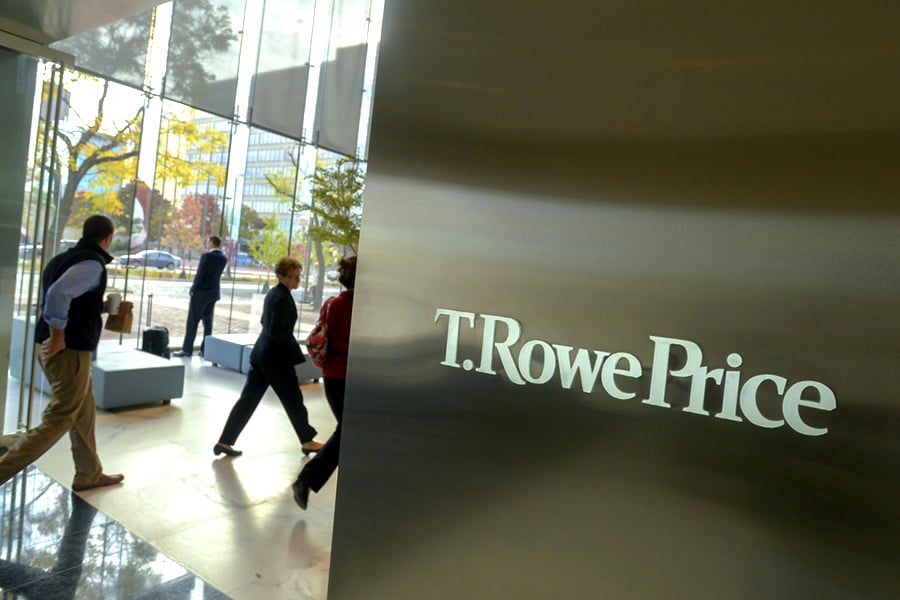
T. Rowe Price Group, which already uses the services of FIS, plans to turn over the management of its retirement technology development and core operations of its record-keeping business to FIS effective Aug. 1.
“Deepening the partnership follows an extensive strategic review of the business and will allow T. Rowe Price to continue providing quality services, further increase operational efficiency, and enhance delivery of innovative retirement solutions for plan sponsors and participants while strengthening the firm's position in the industry," the company said in a release.
According to the release, FIS' technology platform serves 50 million retirement plan participants and more than $3 trillion in assets.
As a result of the shift, about 800 T. Rowe Price operations and technology associates are being offered the same roles with FIS that they have currently. The transitioning associates will remain in the current Owings Mills, Maryland, and Colorado Springs, Colorado, facilities and continue to serve the T. Rowe Price account and clients, the company said.
The company stressed there would be no disruption to plan sponsors or participants because it already uses FIS' record-keeping platform and there will be no conversion or transition for any clients.

Goldman Sachs retirement survey finds 83% want guaranteed income, while the annuities providing that income increasingly hold private credit.

The AI meeting assistant's Advisor Intelligence plugin turns client conversation data into annual reviews, tax scans and attrition alerts.

Chuck Roberts and Stifel have been facing scrutiny due to sales of structured products and structured notes.

Among other updates, the proposals would let advisors to regulated funds earn performance fees and allow interval funds to offer monthly repurchases.

What will financial advice look like 20 years from now? Evan Vladem explores how AI may transform wealth management while reinforcing the enduring value of human guidance, trust, and empathy.
As AI makes financial information more accessible than ever, Lana Hock explains why human judgment, trust, and empathy remain the qualities clients value most in a financial advisor
Northern Trust’s Ken Lassner shows advisors how to convert volatility into after-tax portfolio gains

