
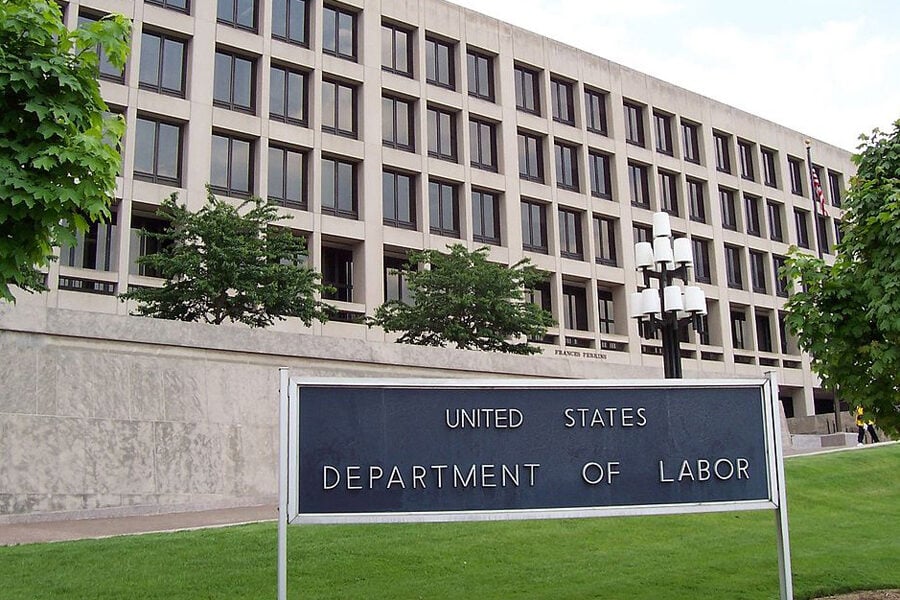
The Department of Labor recently closed an 18-year-old case it has pursued against a former lawyer who was found liable for diverting tens of millions of dollars from employee life insurance plans.
Defendants in the long-running case, including former Bridgeport, Pennsylvania, lawyer John J. Koresko V, and his companies, have been ordered to pay restitution to more than 200 plans, the DOL announced Thursday. The case ended with a $42 million judgment, including $4 million in new costs. This year, nearly $18 million had been repaid to the employee life insurance plans, making a total of $68 million that had been distributed to them as a result of the legal actions. The final order came on Aug. 19 in U.S. District Court in the Eastern District of Pennsylvania.
The DOL’s Employee Benefits Security Administration began to investigate Koresko, the Regional Employers Assurance League Voluntary Employees’ Beneficiary Association Trust and other companies in 2003, ultimately filing a lawsuit in 2009. The former lawyer and defendant companies allegedly diverted assets from as many as 400 death and welfare benefit plans over 12 years and used the money for personal expenses, including property purchases in South Carolina and on the Caribbean island of Nevis, as well as for outside counsel and lobbyists, according to the DOL.
In 2015 “the court found the defendants diverted $38.3 million in plan assets and used more than 18 entities and 21 accounts at more than eight banks to mask its scheme,” the DOL noted.
“With one exception, the court found the defendants — including Koresko — liable for almost $20 million in restitution for losses and disgorgement of profits. The court also removed and barred the defendants from serving as fiduciaries to any ERISA-covered plan permanently.”
In many cases, the death benefits paid out by insurance companies were only partially distributed to beneficiaries, with some of the money going to an unrelated trust controlled by Koresko and an employee at his firm, according to the complaint filed by the DOL.
The protracted litigation involved numerous appeals, and in 2018, Koresko petitioned the U.S. Supreme Court for leave to proceed in forma pauperis, as he was unable to pay his mounting legal costs. The district court had previously found him in contempt for failing to disgorge profits back to the life insurance plans, and he subsequently spent two years in prison.
About $20 million of the money owed by the defendants was recovered from 10 different bank accounts into which trust assets had been directed, according to the recent court order.
Koresko did not immediately respond to a request for comment.

As Robinhood and Schwab roll out AI agents and assistants, a new survey finds advisors still edge out chatbots in terms of client trust.

See which platforms and providers earned 5-Star recognition this year

Meanwhile, a multigenerational Cambridge team has hopped to LPL in Michigan, and Cetera's run of Commonwealth recruitment continues in New Jersey.

TIAA survey finds 53% of Americans worry about running out of money, as AI and medical advances scramble retirement income planning.

Two wirehouse veterans choose advisor-owned model as independents target ultra-high-net-worth clients beyond portfolio management.
As AI makes financial information more accessible than ever, Lana Hock explains why human judgment, trust, and empathy remain the qualities clients value most in a financial advisor
Northern Trust’s Ken Lassner shows advisors how to convert volatility into after-tax portfolio gains

