
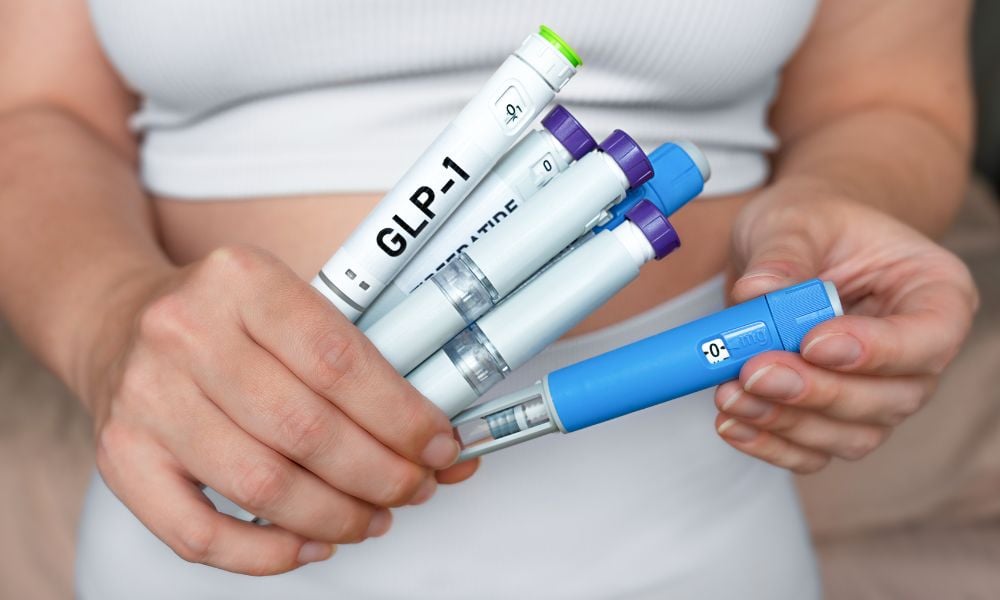
Half of Americans taking GLP-1 medications worry they will have to choose between staying on the drug and saving enough for retirement. A growing share has already made that choice.
A new survey from the Nationwide Retirement Institute, released Oct. 7, 2026, found 51% of current GLP-1 users fear that tradeoff, and 54% have already changed their financial behavior to afford the medication. Seventeen percent have taken on debt, 14% have pulled money from savings, investments or retirement accounts, and 14% have cut their retirement contributions.
The Harris Poll ran the online survey for Nationwide between July 20 and Aug. 4, 2026, among 1,933 U.S. adults, with additional samples of 509 current and 364 former GLP-1 users. Users whose insurance doesn’t fully cover the drug pay an average of $203 a month out of pocket.
“Medical innovation is changing how we think about living longer and healthier, and that’s a good thing. But living longer also means your money may need to last longer,” said Kristi Martin Rodriguez, leader of the Nationwide Retirement Institute. “If what you’re spending on your health today is competing with what you’re saving for tomorrow, that needs to be part of the financial planning conversation.”
Eighty-eight percent of current users say GLP-1s make them more optimistic about their long-term health, and 64% say they may retire later because they feel healthier.
That optimism is easing the pressure to save. Fifty-nine percent of users say the expected health benefits make them feel less urgency to increase retirement savings, and 57% say they are less worried about needing additional health or long-term care insurance.
The same respondents also see the catch. Fifty-six percent say they may need more money for healthcare if they live longer, and 49% say the prospect of a longer life makes them less confident in their retirement plan. Fifty-nine percent worry about affording the medication itself once they stop working.
Those numbers land on top of existing pressure. Fidelity’s 25th annual estimate puts lifetime healthcare costs for a 65-year-old retiree at $185,500, a 7.5% jump from the prior year, and that figure excludes long-term care. A client who stays healthier and lives longer on a GLP-1 extends the period those costs have to be funded.
Clients entering Medicare face an added variable. The Centers for Medicare & Medicaid Services launched its GLP-1 Bridge program on July 1, 2026, giving eligible Part D enrollees access to certain weight-loss GLP-1s for a $50 monthly copay with prior authorization. The program is scheduled to end Dec. 31, 2027, and the coverage picture after that remains unsettled.
The survey points to a service gap advisors can close. Fifty-nine percent of current users expect a financial professional to advise them on the financial impact of GLP-1s and other health innovations. Forty-seven percent have never discussed the topic with one.
Surveys tracking client fears about outliving their savings now cite GLP-1s alongside artificial intelligence as a reason longevity assumptions need revisiting. A separate Northwestern Mutual study found Americans who work with an advisor are far more likely to have a plan in place for long-term care than those who don’t.
“The connection between health and wealth has never been more apparent than with the rise of GLP-1 medications,” Rodriguez said.
Nationwide is pitching its Health Care Cost Assessment tool, which uses health risk analysis and actuarial cost data to project medical and long-term care expenses, as a way for advisors to start those conversations. The clients most likely to need them, those quietly drawing down retirement accounts to stay on the medication, are also the least likely to bring it up first.

The hundreds of millions of dollars from a sale of Inspired Healthcare properties does not mean an immediate windfall for investors.

Its SEC filings said one thing - a congressional probe said another.

Sham agreements allegedly padded revenue by 345%.

"Most pre-retirees are uncomfortable making key retirement income decisions without an advisor's help," said Chris Bailey of Cerulli.

Also, Summit Wealth Group nabs a Commonwealth advisor in Tennessee, Oxford Financial adds two managing directors, and Verdence draws an ultra-high-net-worth advisor from Fidelity.
Knighthead Life entered the market with a competitive MYGA. A strong launch earned advisor confidence and paved the way for FIAs.
As AI makes financial information more accessible than ever, Lana Hock explains why human judgment, trust, and empathy remain the qualities clients value most in a financial advisor

