
Attracting new business often means focusing on younger demographics, who are moving ahead with their careers and seeking guidance for their future financial goals.
But with more women over 60 becoming primary asset holders, this shift in financial decision-making power creates an opportunity for advisors to serve a cohort that has some unique advisory requirements.
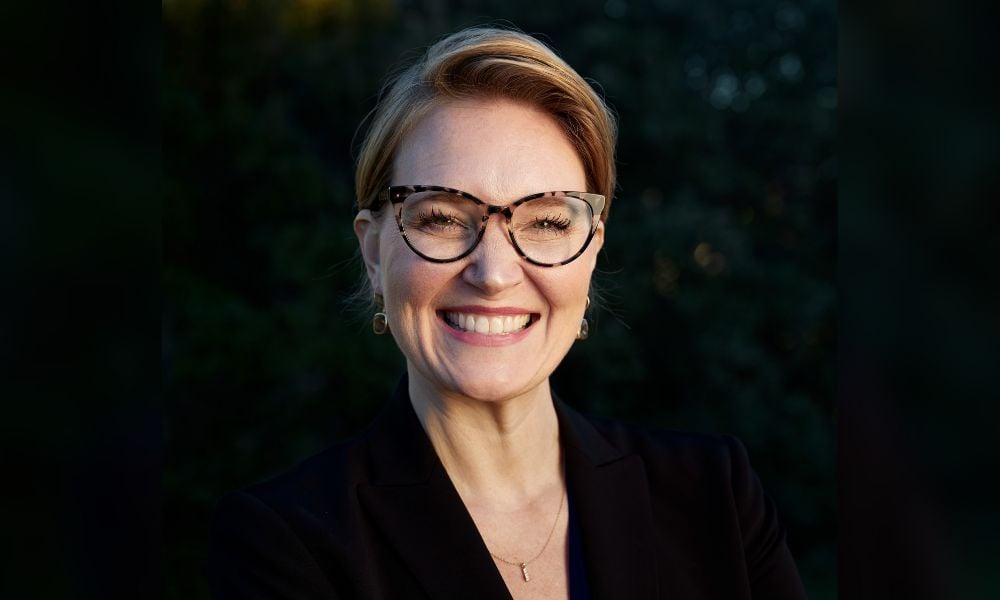
Jen Hollers is senior vice president of High-Net-Worth Planning Services at LPL Financial and she’s been sharing her experience with InvestmentNews as this demographic shift unfolds with older women acquiring assets through multiple sources including widowhood and divorce, or who have decided to remain single, building and retaining wealth on their own terms.
“These women are increasingly thoughtful about legacy,” she explains, “Prioritizing how wealth impacts family character and long-term values. Many are choosing to gift during their lifetime to foster connection and support, rather than waiting until death to transfer assets.”
These clients are not just considering their finances but how they can ensure the financial security and future of their families and this is reflected in how they talk about money in conversations with their advisors.
“They value personalized, relationship-based advice that considers their caregiving roles, emotional priorities and long-term family impact,” Holler says. “While some male investors may approach wealth through a transactional lens focused on market performance, many female investors prioritize aligning their financial plans with their personal values and relationships.”
You might have heard similar comments before, but Holler says that it’s a difference that too many advisors fail to recognize.
“A major misstep is missing the opportunity to educate, partner and have a reciprocal relationship with this segment,” she cautions. “Assuming that these women are fully informed or engaged in financial matters simply because they hold the assets is a mistake.”
Holler has identified that, even in the later segment of their lives, many wealthy women over 60 are new to wealth management.
“Many have been excluded from prior financial conversations and may feel overwhelmed or disconnected when they find themselves in charge of the financial decision-making, especially after a death or divorce,” she says. “Advisors could rethink their meeting structure and should consider avoiding industry terms. Lead with listening and let women indicate were they need guidance rather than defaulting to a more traditional approach when engaging.”
Hollers is a strong advocate for a truly holistic model that recognizes money as part of a larger life story.
“It means going beyond asset allocation and tax strategy to include estate planning, family dynamics and legacy,” she says. “Rather than a typical estate plan, women might create what one might call a ‘financial love letter’ - a plan that reflects not just equal distribution, but thoughtful, values-based giving and individualized inheritance determinations. They often understand what each family member needs and how wealth can support those unique paths.”
The aim is not simply to divide assets, but to preserve unity and create a positive impact across generations and that requires early family involvement in the planning process.
“Involving family early helps ensure continuity and reduces the risk of attrition. Advisors who build relationships with the next generation — understanding their goals and values — are more likely to retain those assets,” she says. “For matriarchs, it’s also leading with listening, not assumptions, providing transparent guidance and education, and ensuring their intentions are honored and that their wealth fosters unity instead of conflict.”
Hollers believes firms must equip advisors with tools that go beyond spreadsheets and legal documents. “Firms should equip advisors with tools that support tax mitigation, estate planning and emotional intelligence,” she says. Engagement, she emphasizes, “should lead with empathy, communication and customization.”
In her experience, many women in this stage of life are navigating not just financial decisions, but complex personal transitions.
“Many women are navigating complex transitions—widowhood, divorce or sudden wealth—and need advisors who can simplify, educate and advocate with respect, understanding and intuition…without judgement or assumptions,” she concludes.

Chuck Roberts and Stifel have been facing scrutiny due to sales of structured products and structured notes.

What will financial advice look like 20 years from now? Evan Vladem explores how AI may transform wealth management while reinforcing the enduring value of human guidance, trust, and empathy.

The Boston deal is set to push the PE-backed consolidator past $187 billion amid a broad RIA M&A slowdown and a potential shift in its ownership.

Advisors with clients who own second homes in New York City face fresh uncertainty as the city seeks a stay and plans an appeal.

Meanwhile, a deal in the Midwest gives NorthRock Partners a new office in Wisconsin, while two teams join OnePoint BFG in Georgia and Atlanta.
As AI makes financial information more accessible than ever, Lana Hock explains why human judgment, trust, and empathy remain the qualities clients value most in a financial advisor
Northern Trust’s Ken Lassner shows advisors how to convert volatility into after-tax portfolio gains

