People are living longer than ever, but how can they live better?
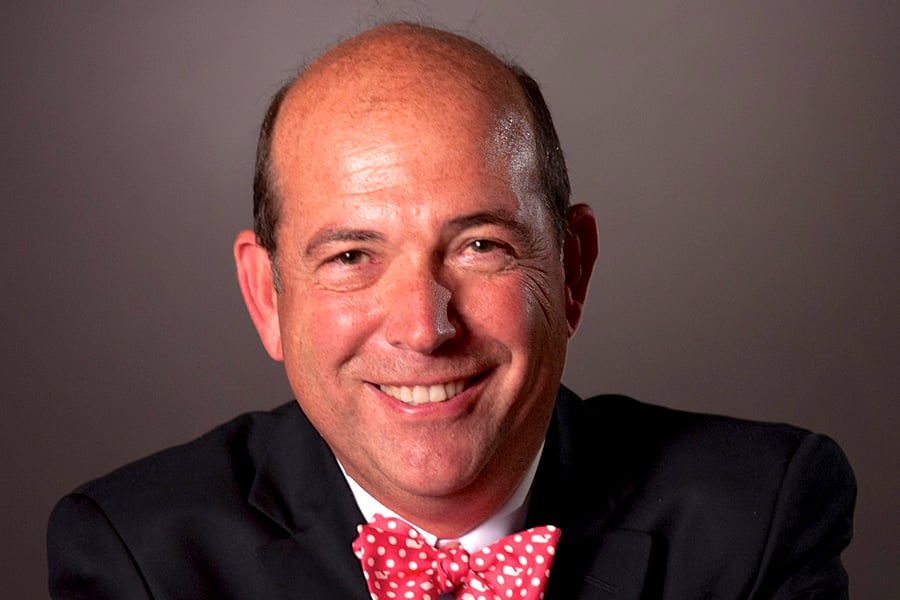
That's the question Joseph Coughlin is trying to answer at Massachusetts Institute of Technology's AgeLab, which Mr. Coughlin founded and directs. In his book "The Longevity Economy: Unlocking the World's Fastest-Growing, Most Misunderstood Market" (PublicAffairs, 2017), Mr. Coughlin explores what business leaders, including financial advisers, need to understand about a changing U.S. demographic that is already worth $8 trillion and climbing.
He calls it a "tremendous wave of opportunity" that the financial services industry is primed to own. Advisers already play a key role with retirement savings, but as concepts like "aging" and "oldness" evolve, Mr. Coughlin said advisers' businesses will have to as well.
(More: Advisers need this new approach to aging clients)
"Our parents and our grandparents frankly aged politely," Mr. Coughlin said. "The next generation is going to demand more, and the benchmark they're going to be using is not another adviser."
Instead, clients will be comparing their
financial planning experience with companies like Amazon and Apple in terms of quality and engagement. Mr. Coughlin predicts that in three years, these tech giants and others will be entering the retirement industry.
Not because technology companies want to be in the financial services business, but because they want to own the customer relationship, he said. If they already are trusted to provide transportation, books, music, groceries and household items, financial advice is just one more thing they can help with.
Advisers will need to expand the services they offer beyond investment management or
financial planning. Mr. Coughlin said the most successful firms will be making home-modification experts, geriatric-care managers and transportation providers a part of the team, either as full-time employees or through structured partnerships (like the relationships many advisers already have with accountants or probate lawyers).
Another example would be around 529 plans — not just for a client's children but for the 55-year-old looking to either start a new career or remain relevant in the workplace. Working longer remains the No. 1 retirement plan for many people, Mr. Coughlin said, and midlife education will be increasingly common as people realize they didn't save enough for a much longer retirement.
"The next-generation [firm] is going to have the adviser at the middle as quarterback, if you will, but have a much more multidisciplinary team to help me anticipate what I'm going to be facing in older age," he said. "If I have an adviser who does not know that I'm in the middle of caregiving and talk to me about the possible costs of that and then pivot that to what it's going to be for me so that my daughters don't have the same issues, you don't get it. That's the kind of conversation I'll pay for."
Some firms are already thinking about this. In February,
Raymond James introduced a suite of longevity resources for its advisers to offer things like housing, health care, elder fraud protection and transportation.
But much of the business today is still framed around portfolio construction and goals, Mr. Coughlin said. If advisers can have new conversations about aging, provide the necessary services to clients and help them pay for those, this unprecedented longevity can be an opportunity instead of a disruption.
(More: A global call to modernize retirement systems)
"No one knows what the hell their goals and objectives are 8,000 days from now. That's just a bunch of hooey," he said. "So start talking about what I care about now, and then I will want you to, shall we say, navigate me to the next stage, then the next stage, then the next stage. That's the new business of advice."