
As an estimated $84 trillion moves from Baby Boomers to their heirs over the next two decades, the stakes for families and their advisors have never been higher.
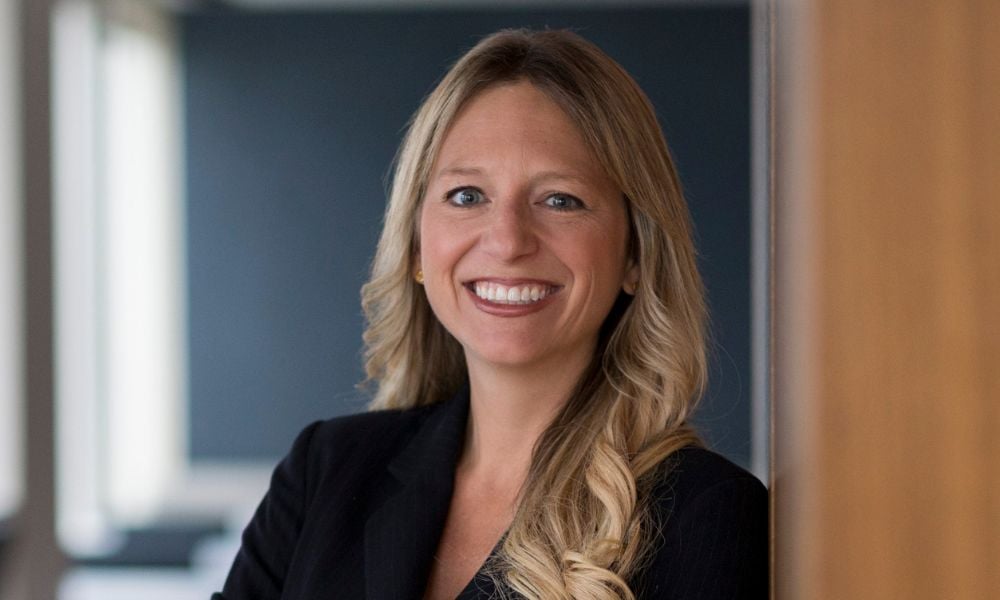
For Jill Shipley, head of Family Governance and Education at AlTi Tiedemann Global, the task for advisors is not just about preserving this huge amount of wealth but also preparing the next generation for what’s coming their way, especially as younger generations often seek information in places that didn’t exist for most of their parents’ and grandparents’ lives.
“Early and ongoing communication and preparation are the most critical factors in ensuring a successful wealth transfer that preserves both assets and relationships,” Shipley says. “Let’s be honest, the sheer volume of conflicting, unaudited ‘advice’ on platforms like TikTok and YouTube leads to information overload, not confidence. Prior to the internet and social media, people were more inclined to consult a professional such as a banker or financial advisor.”
The lack of clarity created by these multiple sources is compounded by structural challenges.
“Today’s generation report feeling worse off financially than their parents due to having come of age during or after significant recessions, while also having to navigate costs of education and housing, and high inflation and financial uncertainty,” Shipley explains. “The rising generations are seeking support and advice related to learning about managing money. They want to learn and are willing to do the work to gain confidence and competence.”
When financial literacy is scarce, many inheritors turn to those closest to them and that’s not always ideal.
“Though family and friends are well intentioned, their advice often comes with emotional bias, personal baggage, outdated strategies and investment philosophies,” Shipley says. “Wealth holders need independent, objective advice from a team that has experience across a spectrum of issues such as tax law, trust and estate planning, philanthropic structures, and investment strategies.”
Shipley says that exposure to advisors early on is a key differentiator in how younger generations conduct the management of their finances later on. And that should be recognized by firms.
“Wealth management firms should encourage younger family members to participate in meetings early on, even if they are not the primary decision makers,” Shipley advises. “This creates connections, builds trust and offers educational opportunities long before the actual wealth transfer occurs.”
For example, AlTi provides networking opportunities for clients to share how they navigate the opportunities and challenges that come with inheriting wealth.
“When a firm actively and visibly incorporates its own rising-gen talent into client relationships, it sends a powerful non-verbal message about mentorship and preparation,” Shipley notes. “We begin by understanding the current and future rights, roles and responsibilities for which the rising-gen inheritor needs to be prepared. For inheritors, it’s important to recognize that education is about so much more than managing money.”
The lack of provision of open discussion between advisors and clients’ generations is a consistent regret Shipley hears from inheritors.
“In all my years of working with inheritors a recurring theme is ‘I wish I would have known earlier,’” she says. “Not sharing information can do more harm than good, leaving the next generation totally unprepared for what is to come. Sadly, the lack of communication can lead to sibling rivalry, family fighting, and even lawsuits that take a significant financial and emotional toll.”
Shipley urges families and their advisors to talk not only about numbers, but about purpose.
“By understanding and sharing their stories, families can define and pass on the purpose of their wealth; what they want the money to accomplish for the family, future generations, the community and world. This shifts the mindset of the heir from a passive recipient to an active steward of the family's legacy,” she says.
Shipley shares that many heirs imagine that being born into a wealthy family is like winning the lottery but it does not guarantee happiness or solve all of life’s challenges. She says that aligning wealth with personal principles helps inheritors use money as a force for meaning.
“Pursuing those opportunities can relieve some of the challenging feelings that can accompany inherited wealth,” she says. “The most significant generational shift I’ve seen is with rising generations redefining success to go beyond purely financial metrics,” Shipley says. “For many Millennials and Gen Z, their financial decisions, career choices, philanthropic activities and investment decisions are a reflection of their personal identity, values and social beliefs. They demand authenticity and want their capital to participate in building the future in which they want to live.”
Shipley says that a common mistake is waiting too long to prepare the next generation – perhaps until there is a crisis - but it should be a process, not en event.
“The key isn't to push the senior generation into letting go, but to reframe their role as mentors, coaches and advisors,” she explains. “Transition planning should feel less like a loss of control and more like a shared success. To better resonate with rising-gen clients, we must broaden the scope of advice to move beyond traditional financial discussions.”
At AlTi, her team uses practical tools to start the right conversations.
“We introduce a checklist that covers financial and non-financial topics we believe are helpful for rising-gen inheritors and ask them to check off the topics they’re most interested in,” she explains. “We’ve had far more success engaging the rising generation around topics they want to learn about rather than just starting where the parent suggests.”

Iowa's Greenwood Wealth Partners exits D.M. Kelly as UBS and Ameriprise win Merrill Lynch recruits in California and Florida

Less than 1% of pool funds went to actual trading, CFTC says

Plus, SEIA builds a governed data foundation for its in-house AI and Snappy Kraken debuts a read-only marketing coworker for advisors.

He owes $364 million but pays $100 a month

Broadridge, Wedbush and Alaris Acquisitions have also filled senior wealth management roles with hires from J.P. Morgan, Osaic and SageView.
As AI makes financial information more accessible than ever, Lana Hock explains why human judgment, trust, and empathy remain the qualities clients value most in a financial advisor
Northern Trust’s Ken Lassner shows advisors how to convert volatility into after-tax portfolio gains

