
Amid a tectonic shift of American corporations away from pension plans and choosing to remain private for longer – if not forever – there's a growing case for RIAs to engage clients with private stock planning services.
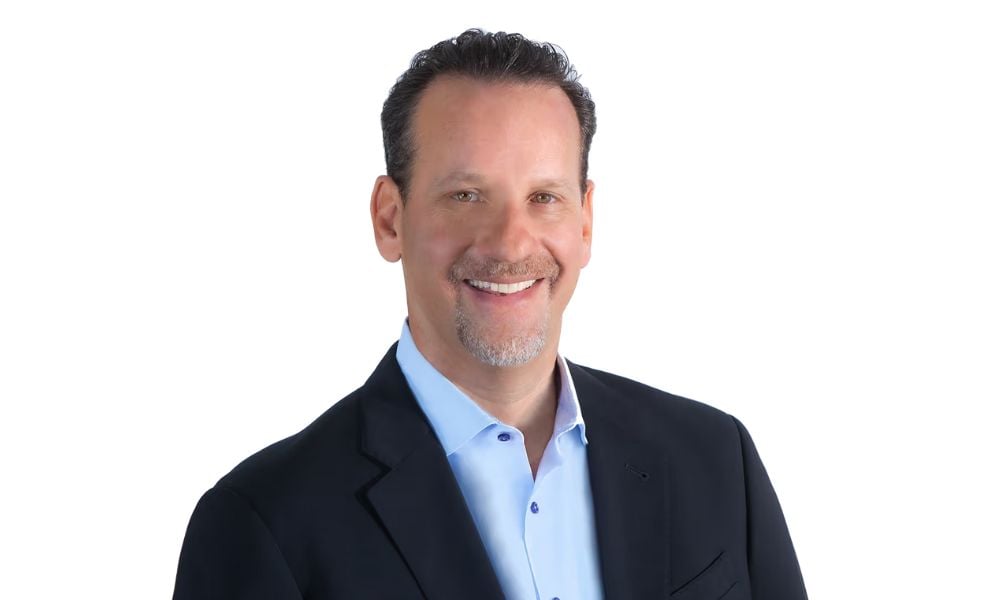
That's the informed opinion of Jonathan Blumenthal, co-founder and co-CEO of Quotient Wealth Partners, who spent a bulk of his career marketing to corporate executives at Fortune 100 companies before his firm made a strategic pivot two years ago.
"My client base includes lots of executives from AT&T, Verizon, Exxon Mobil, Raytheon, Texas Instruments – these big household names," Blumenthal, whose RIA firm oversees roughly $4.5 billion in AUM within the Dynasty Financial Partners network, told InvestmentNews in a recent interview. "That's how we built our business."
According to Blumenthal, the opportunity to offer retirement planning services among Fortune 100 executives and employees used to lay in corporate pension plans, which created a rich addressable market of clients needing guidance in retirement. But with more pension plans getting frozen or scrapped altogether, along with the reality of Baby Boomers and Gen X client aging out as clients, Quotient decided to change tack in 2023.
"To attract younger clients, we asked 'Why don't we attract Silicon Valley startup tech companies that are privately held?' " Blumenthal said. "These privately held startups or even companies that are going through tenders and having liquidity events felt like a great place to get younger clients who had wealth and more importantly, had a need."
It's not unusual for startups and even later-stage private companies to include restricted stock units, incentive stock options, and non-qualified stock options in their pay packages. And because companies are staying private for longer – as one CNBC report has it, research out of the University of Florida shows the average age of US companies going public has more than doubled between 1980 and 2024 – it's becoming harder for such firms' employees to receive liquidity from the equity they have through an IPO.
A series of blockbuster IPOs earlier this year, in which some newly listed names immediately went parabolic upon debut, has gotten more investors asking questions about pre-IPO shares. Thanks to their digital savvy and the rise of online brokerages, Blumenthal said Millennial clients are not exactly rookies at investing, though they're likely to need support around private shares and equity-based compensation, which are less liquid and subject to more esoteric rules.
"Most financial advisors don't want to work with people who don't have money to invest," Blumenthal said. "When you're going after employees at privately held companies, the opportunities are in the future, not today."
By Blumenthal's estimate, the firm has brought on between four and five dozen clients who have not yet materialized their wealth as their companies are still private. More broadly, he pegs the untapped dollar opportunity within that market in the hundreds of millions, though he concedes it tends to be a loss leader until a liquidity event comes along.
Aside from investment and asset management, Quotient Wealth Partners has a tax department that gives it an immediate revenue stream for the private stock side of business. The tax unit has also been a valuable way to engage those younger clients, who don't exactly light up at conversations around retirement planning and investments.
"A lot of these younger tech-centric private stock employees like managing their money right now ... They think they're good at it," he said. "What piques their interest is the tax side, which for us leads to conversations about better ways to manage their investments."
Like many people that come into sudden wealth, Blumenthal said employees with private stock are not likely to think about the tax implications of a liquidity event until it actually happens. Higher-level executives who've had longer tenures tend to have more tax considerations because of the amount of equity they have vested; meanwhile, a 30-year-old with the opportunity to tender a modest $100,000 may need a harder think about how to play their chips – whether it's to pay off debt, fund college for their kids, or re-up on their ISOs.
"There's a lot of education that goes into this work, especially when you're working with pre-IPO companies," he said. "You have to take a step back as a fiduciary and understand that the reward is not going to be immediate – it's way down the road."
That hasn't stopped financial firms of different stripes from diving in. Late last month, Morgan Stanley announced a deal to acquire EquityZen, a New York-based private shares trading platform, which was followed quickly by Schwab unveiling its own acquisition of another private share platform, Forge Global. For its part, Dynasty took a minority stake in Grantd, an AI-based platform designed to help advisors and the employees they work with get a handle on clients' corporate stock holdings.
For Blumenthal, that means the race is officially on for the financial industry to get in front of private stock-owning clients at the transaction level. While Quotient Wealth isn't big enough to do that itself, he argues its early read on the need for private stock planning has made it a first port of call.
"At the end of the day, [those clients] have a lot of choices; what we do is help them prioritize those decisions. In most cases, especially with younger folks, those priorities don't benefit us – they benefit them," Blumenthal said. "If you do the right work, give the right advice, and build credibility, then those people are more likely to come to you when they have an opportunity to put that money to work."

Salespeople at the firm often went beyond the matching algorithm to recommend network advisors on its Zoe Wealth platform, according to the regulator.

The Protect College Sports Act would cap school payments and codify NIL rights, with implications for advisors guiding young athletes.

"I know the number that I want to be able to retire on, and now I just want out," says Wilmington Trust's Marguerite Weese, describing a common refrain among business-owner clients.

Bessemer and Brown Brothers Harriman veteran Robert Ludricks III and private markets specialist Olof Akesson join the ultra-high-net-worth push on the East Coast.

765 investors were promised 260% annual returns on truck leases
As AI makes financial information more accessible than ever, Lana Hock explains why human judgment, trust, and empathy remain the qualities clients value most in a financial advisor
Northern Trust’s Ken Lassner shows advisors how to convert volatility into after-tax portfolio gains

