
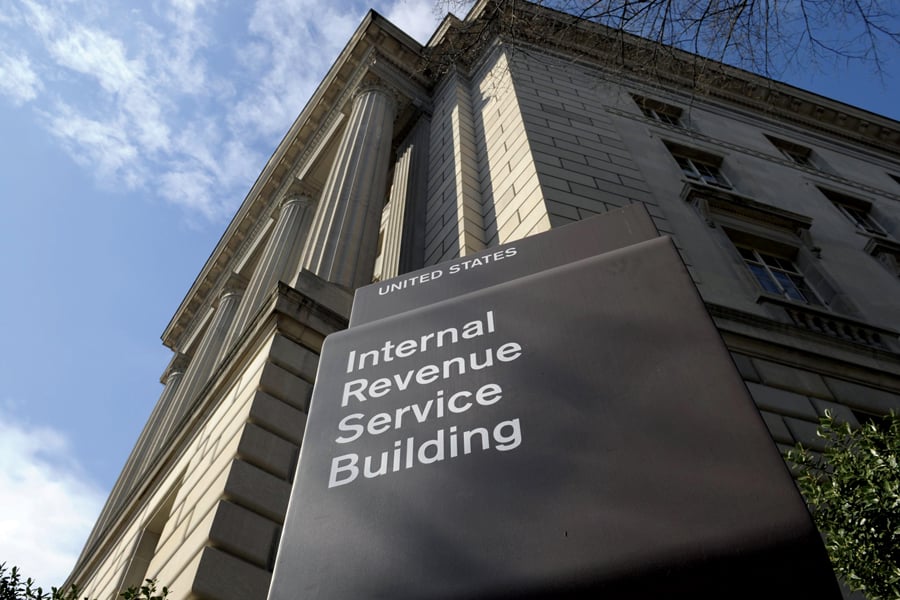
The Internal Revenue Service is boosting how much Americans can plow into their 401(k) plans next year by a record amount amid a surge in inflation.
The contribution limits for the popular tax-deferred retirement savings accounts will rise by $2,000 to a maximum of $22,500 in 2023, reflecting the change in the headline consumer price index, the IRS said Friday. It’s the biggest dollar increase since the cutoff began being indexed to inflation in 2007, when the maximum amount allowed was $15,500.
The changes mean that retirement savers who are 50 or older can now save a combined $30,000 a year in their 401(k)s, between the new limit and the increase to $7,500 for catch-up contributions.
Those who sock away the maximum are in the minority — only about 14% of 401(k) savers reached the limit in 2021, said Craig Copeland, director of wealth benefits research for the Employee Benefits Research Institute.
“It's really the people making $100,000 and especially those making $150,000 or more who save the maximum,” he said.
A Vanguard report found the percentage of salary contributed to defined-contribution plans such as 401(k)s in 2021 rose for 42% of plan participants, whether savers elected to increase the amount themselves, or had it boosted automatically by their plan.
Still, it’s not clear whether that trend will hold in 2022, as higher prices for goods and services have jolted Americans’ finances, Copeland said.
Meanwhile, the cap on the amount contributed to individual retirement accounts, known as IRAs, will be $6,500 next year, up from $6,000 in 2022.
Contributions to so-called qualified plans, such as 401(k)s, are tied to the headline CPI index known as the CPI-U. That measure of inflation showed prices increased 8.2% in September relative to a year earlier, close to the highest in four decades.
The recent 9% cost-of-living adjustment for Social Security benefits in 2023, the highest percentage increase since 1981, is tied to a slightly different CPI measure, called the CPI-W, which is also soaring.

Elsewhere, Wells Fargo Advisors adds a $400 million Morgan Stanley veteran in Naples as an ex-Cetera advisor goes independent with LPL

According to a federal charges Bradley Heppner, 60, received more than $150 million in payments through funneling money from GWG Holdings to a shell company.

A $1B fund allegedly skimmed 30% off the top, then swapped cash for locked-up stock.

Insiders allegedly rewrote projections three times in four days.

TCI Wealth Advisors also has also tapped JIFFYAI to unify onboarding and servicing, while TradePMR adds ICE market data to its Fusion advisor platform
Knighthead Life entered the market with a competitive MYGA. A strong launch earned advisor confidence and paved the way for FIAs.
As AI makes financial information more accessible than ever, Lana Hock explains why human judgment, trust, and empathy remain the qualities clients value most in a financial advisor

