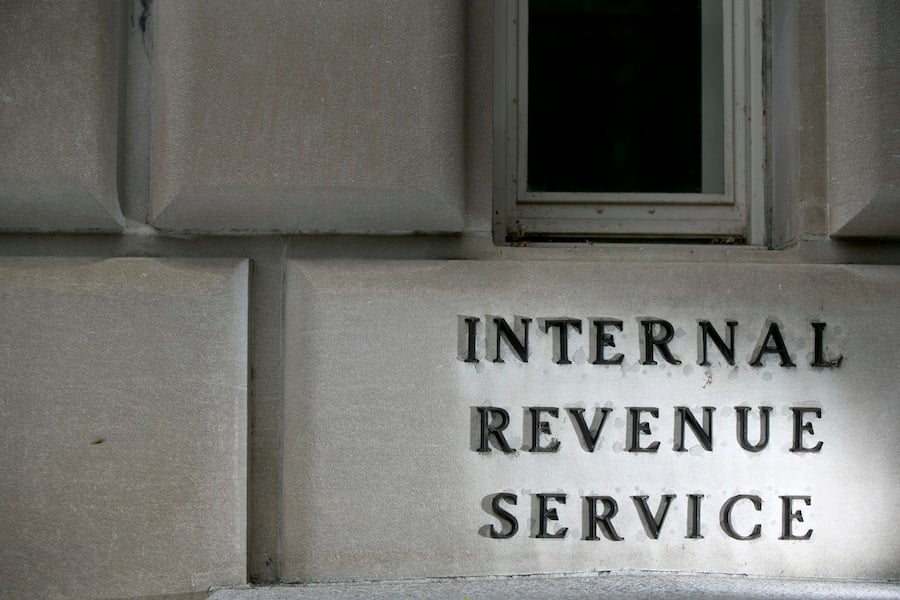
A new report paints a pretty bleak picture at the
Internal Revenue Service.
In her annual report to Congress, Nina Olson, the national taxpayer advocate, said that consistent budget cuts over the past five years have led to a “devastating erosion of service” — an erosion that will lead to even longer waits on the phone and delayed refunds this filing season. The cuts also hurt the IRS's ability to conduct and close audits.
The upside? Fewer audits.
The downside? Fewer audits, which suggests less tax revenue, and for those unlucky enough to be audited, the process may take longer than expected.
The $10.9 billion IRS budget Congress approved for the agency's next fiscal year means it must cut $346 million over the next nine months. More than $160 million will come out of spending on enforcement efforts, leading to fewer closed audit and collection cases, IRS Commissioner John Koskinen wrote in a Jan. 13 memo to employees.
Since 2010, the number of IRS staff focused on enforcing tax law has fallen 15%, according to the Center on Budget & Policy Priorities (CBPP). That has resulted in fewer audits overall and a drop in audits of high-income taxpayers and businesses. In 2013, the percentage of individual taxpayers audited fell to 0.96%, the lowest it's been since 2006.
“You're just gutting the part of the IRS that goes after tax cheaters,” says Chuck Marr, director of federal tax policy for the CBPP. Audits are, after all, the way the government collects unpaid taxes it is lawfully owed. Mr. Koskinen estimated that the government will fail to collect at least $2 billion this tax season, or about $6 lost for every $1 of budget cuts. Over the past four years, there's been a $4 billion drop in money collected through IRS enforcement actions, according to the CBPP.
For some filers or their tax preparers, this all might seem like license to experiment with a more aggressive strategy.
Creative filers have successfully deducted the cost of home landscaping, pet food, and in at least one famous case, a boob job.
Is this the year you join them? Just remember that the IRS generally can go back three years in an audit, says Troy Lewis, a certified public accountant in Draper, Utah, and chairman of the tax executive committee of the American Institute of CPAs. If someone grossly misstates income by 25%, the statute of limitation can stretch out to six years. And by then, the IRS might be working with a bigger budget.