
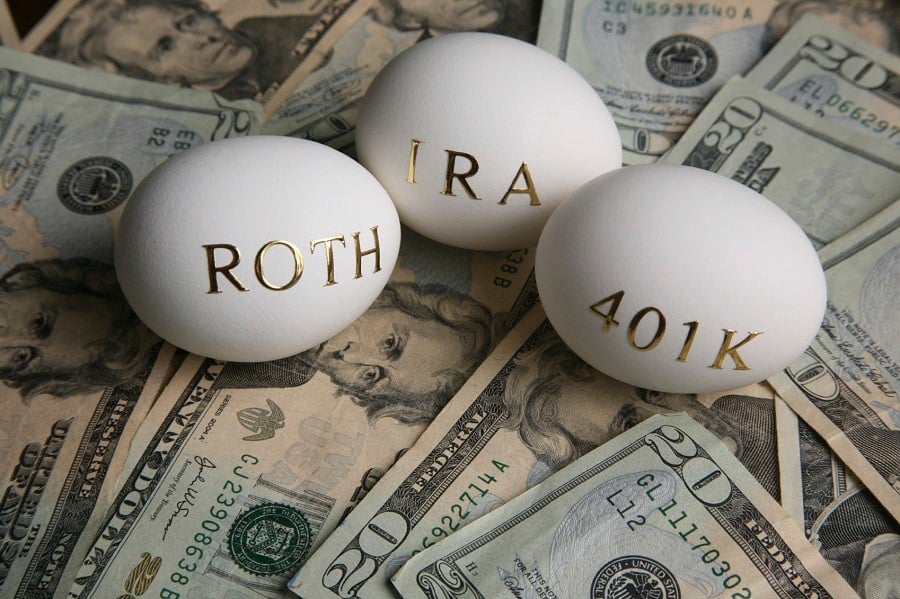
The Internal Revenue Service has announced higher contribution limits for 401(k) and individual retirement accounts for 2026, giving savers and their advisors new benchmarks as they plan for the coming year.
The annual deferral limit for 401(k), 403(b), most 457 plans, and the federal Thrift Savings Plan will rise to $24,500, up $1,000 from the 2025 cap. The maximum IRA contribution will increase to $7,500, up from $7,000.
The IRS also issued technical guidance outlining a range of cost-of-living adjustments for retirement-related items, including catch-up contributions, income phase-out ranges for tax deductions, and the Saver’s Credit.
For workers age 50 and older, the catch-up contribution limit for 401(k) plans will increase to $8,000, allowing a total annual contribution of up to $32,500. Employees ages 60 to 63 will continue to benefit from a higher catch-up limit of $11,250, a provision introduced under the SECURE 2.0 Act of 2022.
“Participants in most 401(k), 403(b), governmental 457 plans and the federal government’s Thrift Savings Plan who are 50 and older generally can contribute up to $32,500 each year, starting in 2026,” the IRS said in its announcement Thursday.
IRA catch-up contributions, which are now indexed to inflation, will increase to $1,100 for those age 50 and over. This means eligible older savers can put away up to $8,600 in an IRA next year.
“The IRA catch‑up contribution limit for individuals aged 50 and over was amended under the SECURE 2.0 Act of 2022 to include an annual cost‑of‑living adjustment,” the IRS said.
Beyond the headline numbers, the IRS also raised the income thresholds that determine eligibility for deductible IRA contributions, Roth IRA contributions, and the Saver’s Credit.
For single filers covered by a workplace retirement plan, the deduction phase-out range will be $81,000 to $91,000, up from $79,000 to $89,000. For married couples filing jointly, the phase-out for a spouse covered by a workplace plan will be $129,000 to $149,000, while the range for an IRA contributor married to someone covered by a plan will be $242,000 to $252,000.
For Roth IRAs, the income phase-out range will move to $153,000 to $168,000 for singles and heads of household, and $242,000 to $252,000 for married couples filing jointly. The Saver’s Credit income limit will rise to $80,500 for joint filers, $60,375 for heads of household, and $40,250 for singles and married individuals filing separately.
"For a married individual filing a separate return, the phase-out range is not subject to an annual cost-of-living adjustment and remains between $0 and $10,000," the IRS said.
The IRS also increased the contribution limit for SIMPLE retirement accounts to $17,000, with a higher limit of $18,100 for certain plans, and raised the catch-up contribution for most SIMPLE plans to $4,000.
The full notice of updates from the IRS also included a change to qualified charitable distributions not counted in gross income, which increased from $108,000 to $111,000.

What will financial advice look like 20 years from now? Evan Vladem explores how AI may transform wealth management while reinforcing the enduring value of human guidance, trust, and empathy.

The Boston deal is set to push the PE-backed consolidator past $187 billion amid a broad RIA M&A slowdown and a potential shift in its ownership.

Advisors with clients who own second homes in New York City face fresh uncertainty as the city seeks a stay and plans an appeal.

Meanwhile, a deal in the Midwest gives NorthRock Partners a new office in Wisconsin, while two teams join OnePoint BFG in Georgia and Atlanta.

These challenges are “changing the economics we see retirement savers face,” said Christopher Ceder of Goldman Sachs Asset Management
As AI makes financial information more accessible than ever, Lana Hock explains why human judgment, trust, and empathy remain the qualities clients value most in a financial advisor
Northern Trust’s Ken Lassner shows advisors how to convert volatility into after-tax portfolio gains

