
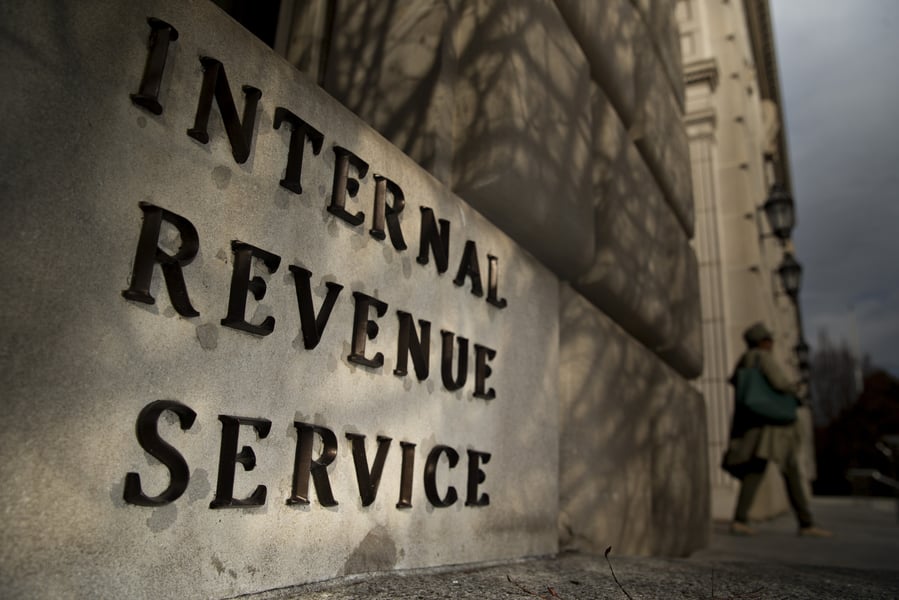
The IRS on Tuesday came out with several fixes to its COVID-19 guidance related to retirement accounts, including allowing people to undo required minimum distributions they made in January.
The CARES Act allowed account holders to skip their RMDs for 2020. The IRS previously had said that RMDs from 401(k)s, individual retirement accounts and others to be rolled back, or undone, if the RMDs had been taken Feb. 1 or later. The earlier guidance extended the usual 60-day limit on rolling back RMDs to July 15 in light of the effects the pandemic had on the market and economy.
Tuesday’s new guidance not only makes RMDs that were taken in January eligible to be rolled back into accounts, but it also extends the deadline for doing so to Aug. 31. For those who take RMDs less than 60 days before that deadline, the usual 60-day limit applies.
A big question for financial advisers has been how to treat required distributions that clients wanted to undo, Ed Slott said in an InvestmentNews video in April. Slott said at the time that it was likely the IRS would extend “blanket relief” for all of 2020, given that the prior guidance created a wrinkle for any RMDs that were taken in January.
Tuesday's guidance also extended the timeline for rollovers to Aug. 31 for beneficiaries who have inherited IRAs, 401(k)s or other accounts.
Additionally, the IRS said that the RMD repayments are not limited by the one-rollover-per-12-month-period rule.
Given the upward movement in markets since the CARES Act was passed in March, the incentives for account holders to reverse RMDs might be less clear than they were at the time. For example, the massive stock market drop earlier this year was considered as an opportunity, akin to a “sale” on Roth conversions, especially in light of RMDs being waived for the year.
One account holder who took an RMD in late January and sought this change in guidance is now eligible to roll assets back, but said he isn’t sure anymore whether he will do so.
“Among the options are rolling it back and following up with a Roth conversion,” Ira Newlander said in an email. “[It’s] too soon to tell. It will likely be a function of market activity.”
Advisers should be proactive and contact clients who are likely to consider undoing RMDs, certified public accountant Marty Abo, managing member of Abo & Co., said in an email.
“You still want to evaluate if [it’s] better to take [an RMD] this year or skip,” Abo said. Account holders might need cash and “may be in low [tax] bracket this year.”
Others, especially small business or self-employed workers who received forgivable loans under the Paycheck Protection Program, might end up in higher tax brackets, which is another consideration, he said.

The financial advice industry has been facing inquiries into its cash sweep programs for years now.

Investor money allegedly went to strip clubs, exotic cars, and landscaping

Procyon adds $415 million in assets under management in New Jersey while Savant picks up a $213 million Southern California planning firm

With a growing number of real estate-rich Baby Boomers aging into retirement, some advisors may be failing to consider all the options available for those clients' assets.

Cornerstone Advisors study reveals compliance bottlenecks stall campaigns weeks after customer opportunities close.
As AI makes financial information more accessible than ever, Lana Hock explains why human judgment, trust, and empathy remain the qualities clients value most in a financial advisor
Northern Trust’s Ken Lassner shows advisors how to convert volatility into after-tax portfolio gains

