
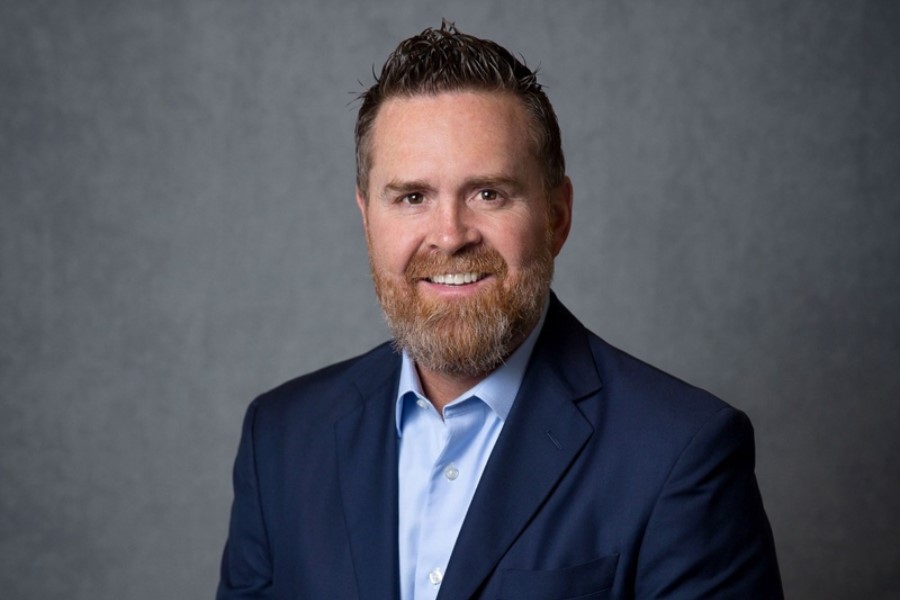
Retirement planning is no longer an old man’s game; it’s a core component of generational wealth management. Trevor Wilde, CEO of Wilde Wealth Management, says that retirement planning is a core foundation and focus for every client he has, regardless of age.
“More broadly, we use the term financial planning – and one element of that is [always] going to be retirement planning,” Wilde says. “When I think about my peers, the financial plan that we have has a pretty keen focus on retirement as one element, but there’s other elements [too] – college planning, for instance. My oldest has just turned 18, so that’s where we’re at in our lives right now.”
What makes Wilde’s whole approach to retirement planning, and wealth management in general, stand out is one underlying principle: that financial planning is inherently personal and should evolve with an individual’s changing needs and circumstances.
“At the cornerstone of every relationship, whether you’re 20 or 70, is going to be a financial plan that has a heavy focus not only on retirement planning but then the other things that might be important to the client,” he says.
This approach ensures that clients feel seen and supported in all aspects of their financial journey, not just the destination. Having won significant awards nationally and for best in state, the Arizona-based advisor’s methods have made him somewhat of an icon in the industry – something he says springs once again from that inherently personal approach to financial planning.
“What we really focus on at Wilde [is] to differentiate how we work with our clients, which was modeled after the family office concept,” Wilde explains.
This holistic model is not merely a buzzword for Wilde and his team; it’s a practical methodology underpinned by a diverse team of experts – especially where estate planning is concerned.
“We have three different insurance specialists under our roof: one that predominantly focuses on health insurance and disability insurance, one that focuses on liability insurance, and one for life insurance. Our leverage with our life insurance specialist is primarily on estate planning – making sure there’s a plan in place if a primary wage earner passes away. What really differentiates us is a focus on changing the structure of an organization.”
For Wilde, this structure isn’t just a convenience; it shows a fundamental shift in how investment management services are delivered. And rather than relying on external referrals, Wilde Wealth Management’s integrated model ensures that clients have direct access to a multidisciplinary team.
“What differentiates us, what we did a long time ago, was a focus on changing the structure of our organization,” Wilde says. “We have specialists in each one of those roles – not just in a referral format. I think a lot of people in our business have the CPA on speed dial or they have an estate planning attorney they refer to and get referrals from. However, [it’s about] bringing all those trusts and resources under one roof so that when we’re meeting with clients, it’s truly an integrated process.”

The financial advice industry has been facing inquiries into its cash sweep programs for years now.

Procyon adds $415 million in assets under management in New Jersey while Savant picks up a $213 million Southern California planning firm

With a growing number of real estate-rich Baby Boomers aging into retirement, some advisors may be failing to consider all the options available for those clients' assets.

Cornerstone Advisors study reveals compliance bottlenecks stall campaigns weeks after customer opportunities close.

A father-daughter trio managing approximately $700 million joins the Atlanta-based fee-only RIA, establishing its Austin foothold.
As AI makes financial information more accessible than ever, Lana Hock explains why human judgment, trust, and empathy remain the qualities clients value most in a financial advisor
Northern Trust’s Ken Lassner shows advisors how to convert volatility into after-tax portfolio gains

