
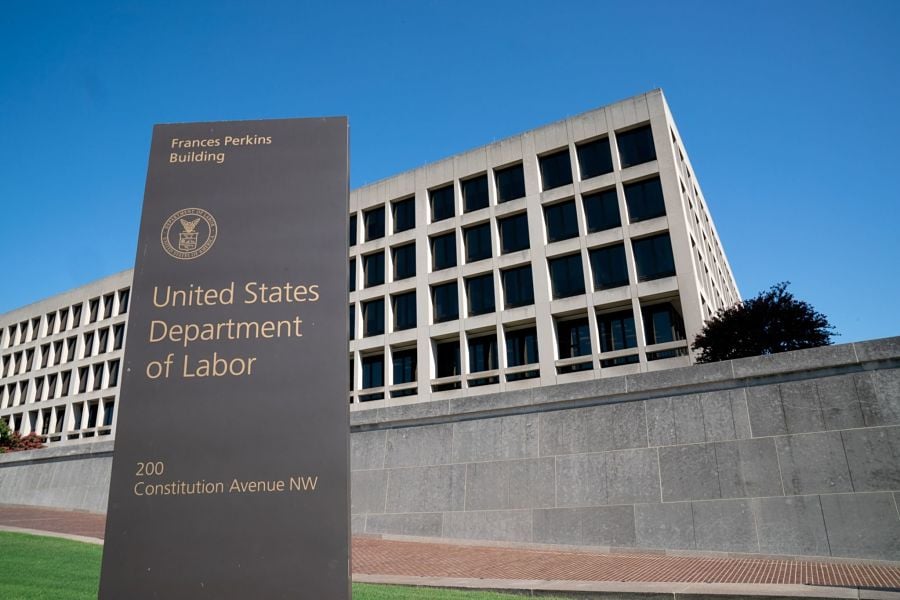
The Labor Department has sent its latest version of the fiduciary rule update to the Office of Management and Budget for a final review.
Once it's approved by the OMB, the updated rule, which aligns with the Securities and Exchange Commission’s Regulation Best Interest, would be released by the Labor Department and published in the Federal Register.
The approval and release of the updated rule may be moot, however, since the timing of its review and publication makes easy nullification possible by the incoming Biden Administration.
“If there’s not a second term of the Trump administration, it’s quite likely that the DOL fiduciary rule, as the Trump administration envisions, is a dead letter,” Brad Campbell, the former head of the Labor Department’s Employee Benefits Security Administration, told participants in a recent webcast conducted by Faegre Drinker, where he is a partner.
Campbell said the update would had to have been filed by last Friday, Nov. 20, to avoid the issue.

Goldman Sachs retirement survey finds 83% want guaranteed income, while the annuities providing that income increasingly hold private credit.

The AI meeting assistant's Advisor Intelligence plugin turns client conversation data into annual reviews, tax scans and attrition alerts.

Chuck Roberts and Stifel have been facing scrutiny due to sales of structured products and structured notes.

Among other updates, the proposals would let advisors to regulated funds earn performance fees and allow interval funds to offer monthly repurchases.

What will financial advice look like 20 years from now? Evan Vladem explores how AI may transform wealth management while reinforcing the enduring value of human guidance, trust, and empathy.
As AI makes financial information more accessible than ever, Lana Hock explains why human judgment, trust, and empathy remain the qualities clients value most in a financial advisor
Northern Trust’s Ken Lassner shows advisors how to convert volatility into after-tax portfolio gains

