
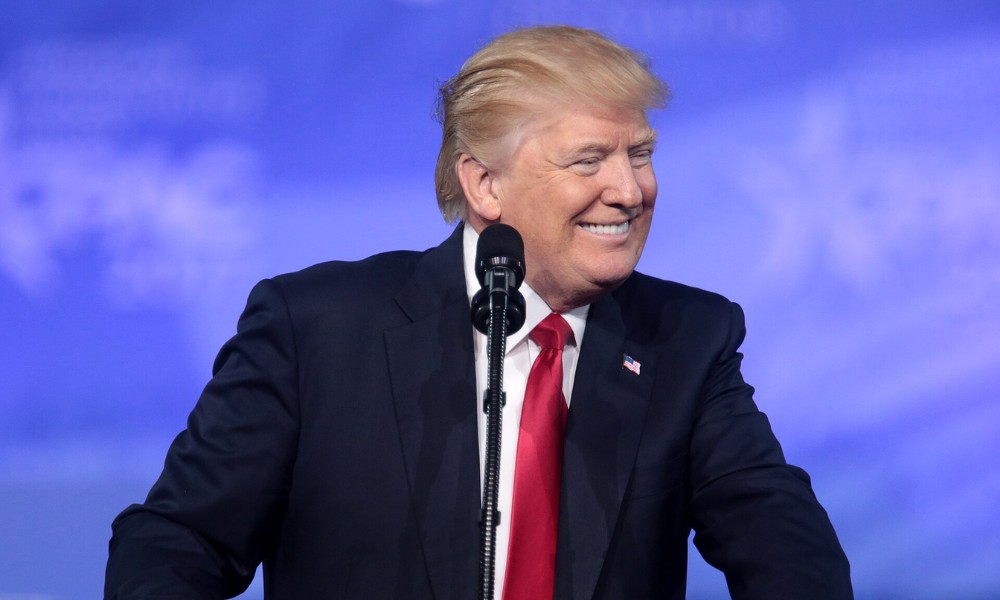
One in four eligible moms do not plan to open a Trump savings account for their children, according to a new study from digital parenting resource BabyCenter.
The survey found that 27% of moms with a baby or one on the way purposefully won’t get a newly-launched Trump account for their child. As for the reasons behind the decisions to eschew the Trump accounts, 12% of respondents said they won’t get an account because they don’t approve of the administration, and 14% said they would opt for a 529 account as an alternative savings vehicle.
"I just feel like I can get a lot further [by] opening a 529 account," said one respondent who is opting out, according to a BabyCenter statement. The report was released last month.
The study also found that there is limited awareness of the accounts among some moms, despite a blaze of publicity from the Trump administration and its account partners. Of the mothers surveyed, 20% said that they don’t know what a Trump account is.
However, more than 50% of the mothers surveyed said that they do plan to get a Trump account for their child. More specifically, 17% of respondents said that that they're getting a Trump account for the free money even though they don't support the administration.
The new savings accounts were officially launched on July 4. Created as part of 2025’s One Big Beautiful Bill Act, the Section 530A accounts, dubbed Trump Accounts, are a new federal savings vehicle. Described by the government as a means to “jumpstart the American dream,” Trump accounts provide a one-time $1,000 contribution for American children born between Jan 1, 2025, and Dec. 31, 2028.
While the account is in the child’s name, parents and legal guardians manage the account and serve as sole custodians until the child turns 18. While no contributions are necessary, deposits of up to $5,000 per year can be made to maximize growth.
A host of companies, including big names in the financial industry, have announced Trump account matches. Last week Franklin Templeton said that it will match the U.S. government’s $1,000 contribution to the Trump Accounts for eligible children of the company’s eligible U.S. employees.
In January JPMorganChase said it will match the U.S. government’s $1,000 contribution, providing an additional $1,000 per eligible child. Bank of America is also planning a Trump account match, according to reports. Last year Charles Schwab , Robinhood, BlackRock, and Bank of New York Mellon said they would match the government’s $1,000 contribution.
In April BNY was also selected by the U.S. Treasury Department to manage the national infrastructure for the Trump Accounts, in collaboration with Robinhood.
The federal savings program seems off to a solid start, with a mid-June tally by the Treasury Department counting more than 6 million eligible children signed up. President Donald Trump hailed the initiative's early success, claiming government seed deposits have already gone out to accounts for 500,000 kids.
However, some advisors have raised operational and tax questions about the much-hyped new savings vehicle. Specifically, advisors are looking for clarity around the Trump Accounts’ treatment in financial aid formulas and whether contributions made prior to the age of 18 can convert to a Roth IRA.

Jim Walesa worked in the securities industry for 39 years before leaving in 2021.

As the market turned from pricing in cuts to betting on hikes this year, the developing reality of a K-shaped economy has real implications for households and investors alike.

Also, SEI names LPL’s Kristie Edling-Day as CIO, TD Bank U.S. taps Hardeep Walia to lead wealth, and BMO adds an Illinois regional president

FINTRX data shows 342 company transactions in the quarter, with wealth management consolidation driving nearly one in seven deals.

State regulators secure $4.4 million from two broker-dealers over unreasonable charges on small-dollar retail equity trades.
Knighthead Life entered the market with a competitive MYGA. A strong launch earned advisor confidence and paved the way for FIAs.
As AI makes financial information more accessible than ever, Lana Hock explains why human judgment, trust, and empathy remain the qualities clients value most in a financial advisor

