
A recent report revealed that the savings rate in 401(k) accounts is at a record high, but balances have slipped. So how should pre-retirees and those already retired maximize what they have?
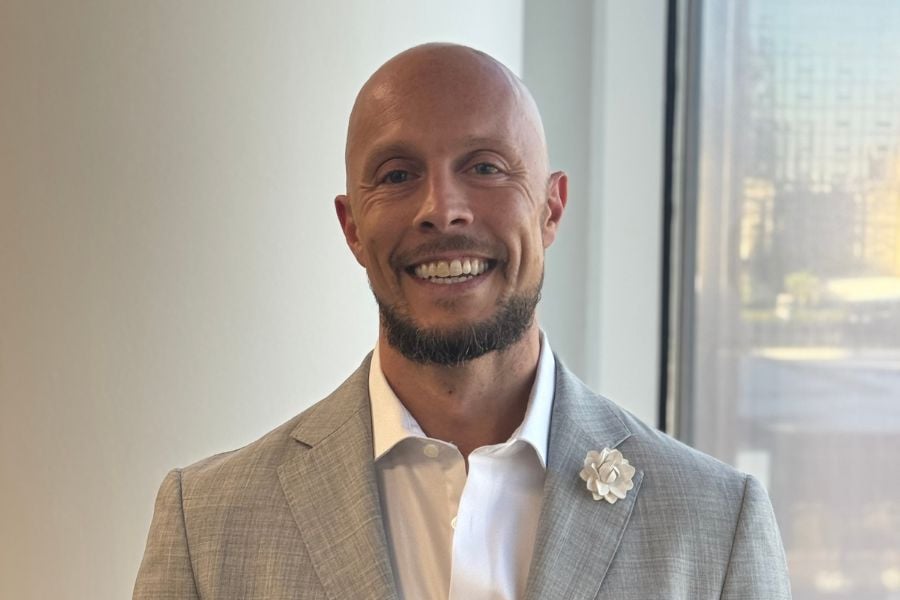
InvestmentNews asked David Montgomery, managing director of Retirement Plan Services at Concurrent what he suggests as a strategy to ensure 401(k) balances are turned into retirement income in the most effective way.
He says that step one, is to get professional advice. That may seem a little ‘route one’ but he sees too many people who try to figure it out on their own: “It’s hard enough even for financial professionals to get it exactly right, and it’s even harder for someone not skilled in this area to get right.”
But another common mistake that people make is being too conservative with their investment mix, especially given rising longevity. He says he’s often heard: “I’m retiring, and I need this money to live on, so I want to move it all to cash or something that has no, or very low, volatility.”
“The reality is that many people will live 20-30 years after they retire, so generally speaking they’ll still need a reasonable percentage of equities in their portfolio to receive the growth it needs over that time frame and not outlive their assets,” he says. “Think about all the market, economic, and overall changes we’ve had in the world in just the last 5-10 years. A lot can change over the course of 30 years so it’s best to still plan and allocate investments based on a person’s specific needs and investible timeframe.”
As a fiduciary advisor, Montgomery has advised many clients on the benefits and risks of rolling a 401(k) into an IRA versus leaving it with a plan provider. The first question to ask is “how good is the client’s 401(k) plan?”
“Some plans are excellent and have low-cost investments curated and monitored by skilled investment professionals, strong fiduciary oversight, and access to institutional pricing. Others not so much. Some plans are even run solely by the business owner whose expertise is in their own line of work rather than in 401(k) plans, investments, and the laws that govern 401(k) plans,” he says, adding that its important to ensure the advisor is a fiduciary.
There’s also the greater investment choices available in an IRA compared to a 401(k), which Montgomery says is both a risk and a benefit.
“This flexibility can be a benefit because you aren’t confined to what’s offered in the 401(k) plan. However, most people don’t have the time to dedicate or the skill, even if they think they do, that professional investment managers have in selecting and monitoring investments. If an individual is working with an advisor who is not a fiduciary, they also run the risk of high cost or inappropriate investments being chosen for them,” he says.
For those clients who are five to ten years from retirement, specific adjustments should they consider making to their 401(k) or overall portfolio?
“They should be taking a closer look at their overall financial plan and will likely want to adjust their mix of investments to a slightly more conservative volatility level. However, they’ll want to make sure they still maintain proper equity exposure to reduce the risk of them outliving their assets due to lack of growth,” Montgomery says. “Depending on certain factors, around the 2-5 years from retirement mark some clients might even consider starting to shift some of their portfolio, such as a year or two worth of expenses, into cash or very conservative bonds. This can help make sure the money for their first couple years of expenses isn’t exposed to potential large market swings downward as they’re starting to withdraw it as their retirement ‘paycheck.’”

Chuck Roberts and Stifel have been facing scrutiny due to sales of structured products and structured notes.

What will financial advice look like 20 years from now? Evan Vladem explores how AI may transform wealth management while reinforcing the enduring value of human guidance, trust, and empathy.

The Boston deal is set to push the PE-backed consolidator past $187 billion amid a broad RIA M&A slowdown and a potential shift in its ownership.

Anguilla-based affiliates may have been shams, the court said

Advisors with clients who own second homes in New York City face fresh uncertainty as the city seeks a stay and plans an appeal.
As AI makes financial information more accessible than ever, Lana Hock explains why human judgment, trust, and empathy remain the qualities clients value most in a financial advisor
Northern Trust’s Ken Lassner shows advisors how to convert volatility into after-tax portfolio gains

