
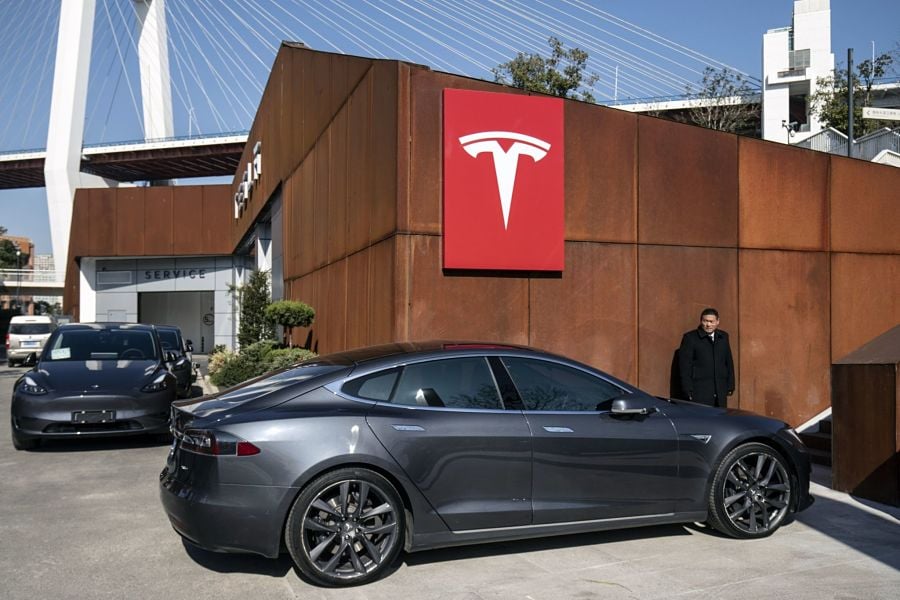
Tesla had a banner year in 2020, when it hit six consecutive quarters of profitability for the first time ever — but the company did not provide a 401(k) match to its employees.
Last year marked at least the third in a row in which the company has not contributed to its workers’ retirement accounts, according to an article Monday in Pensions & Investments reporting the lack of a match in 2020.
Data from the Department of Labor show that the electric car and battery manufacturer contributed $0 to the company’s 401(k) plan in 2018 and 2019. A note in the 10-K annual report it filed Monday with the Securities and Exchange Commission shows that no contributions were made last year.
That puts Tesla among a slim minority of defined-contribution plan sponsors. According to Vanguard’s 2020 How America Saves report, only 4% of its record-keeping clients did not make contributions of any kind to the company retirement plans.
Cutting the 401(k) match was something at least a third of employers considered last year in response to the economic fallout from the pandemic. A report last week from Alight Solutions found that 91% of employers made no changes to their matching contributions last year, and all of those that did said they did so temporarily. The vast majority of plan sponsors, 99%, said they planned no changes to the match this year, according to Alight.
Tesla’s 401(k) represented $633 million in assets among about 44,700 participants at the end of 2019, DOL data show. About 32,000 participants were actively participating in the plan last year, with an average balance of about $17,000, according to figures from BrightScope, which gave a rating of “poor” to both the company’s generosity and its employee participation.
It is not clear what financial goals determine whether Tesla contributes to employees’ 401(k)s. The company did not respond to a request for comment.
“While 2020 was a turning point for Tesla in terms of profitability, we believe this is just the beginning. We think 2021 is going to be even more exciting,” CEO Elon Musk said Jan. 27 during an earnings presentation. The company should expect annual growth of at least 50% “for years to come,” he said.
Fueled in part by a bump in deliveries of new cars to customers, the company’s earnings before interest, tax, depreciation and amortization increased by 95% from 2019, at $5.8 billion versus roughly $3 billion, according to Tesla's earnings report.
However, the company was not immune to the pandemic, having suspended operations at its plants during the first half of 2020, furloughed workers and reduced compensation.
Last month, Tesla changed its investment policy to allow it to place some of its assets in digital currency, gold bullion, gold ETFs and other vehicles. After that change, the company sank $1.5 billion into Bitcoin. The news of Tesla's purchase sent Bitcoin to a new all-time high of $48,000 earlier Tuesday. Tesla also expects to accept Bitcoin as payment for products soon, which it can liquidate after receipt, according to the recent 10-K.

Retiring RIA seller David Laidlaw alleges the Carnegie valued his stake on $11.7 million EBITA while pitching potential buyers on $21.3 million.

New tool gives RIAs and family offices AI help vetting private market deals, with some users reportedly halving review time.

Investors got projected returns dressed up as real ones, SEC says

Parents must still act to get the $1,000 federal seed and employer contributions, giving financial advisors a role in the rollout.

FINRA booted Rudy Anguiano from the industry for “conversion - the intentional and unauthorized taking of another person’s property.”
As AI makes financial information more accessible than ever, Lana Hock explains why human judgment, trust, and empathy remain the qualities clients value most in a financial advisor
Northern Trust’s Ken Lassner shows advisors how to convert volatility into after-tax portfolio gains

