
Rallied? Rebounded? Stabilized? Fuhgeddaboudit!
Sorry for the Sopranos speak, but however you want to describe the S&P 500’s rise of more than 10% in the first half of 2023 in the wake of last year’s 20% wacking is fine with us. The numbers speak for themselves and those few short sellers aside, a rising market generally lifts all spirits.
How could it not? More money means more consumption. More furniture, homes, cars and toys to buy. More money means paying off old debts and the confidence to charge up new ones. What could be bad about that?
Perhaps most of all, for those more concerned with preserving their financial futures than shopping for the here and now, more money means more retirement security. Something even a semi-depressed mobster can appreciate.
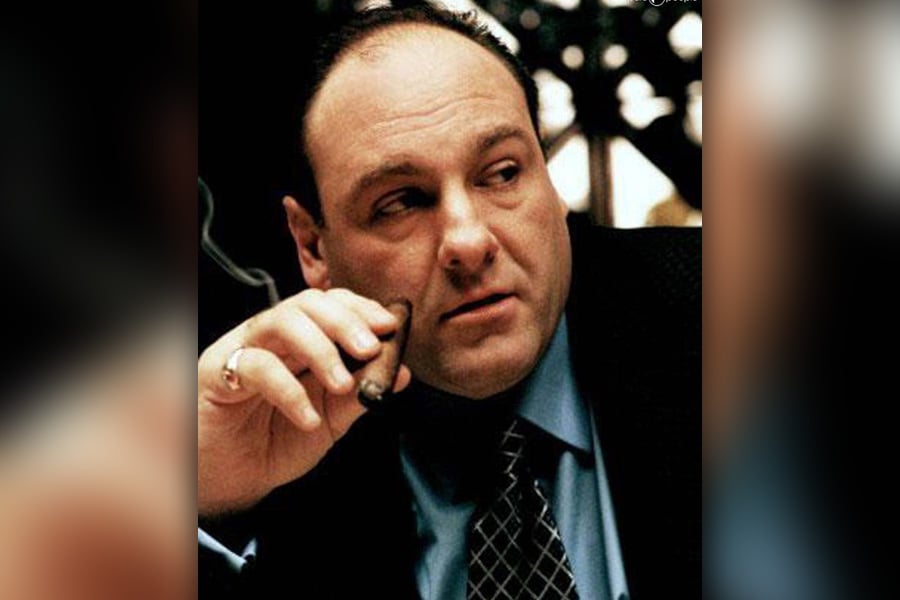
Seriously, as Tony Soprano himself once said, “Sh*t runs downhill, money goes up. It’s that simple.” If that’s true (and who are we to argue with the crime boss of New Jersey, even a fictional one), then the converse must also be true. Or, to paraphrase Tony, when money enters our brokerage or 401(k) accounts then our aggravation goes away. At least it should according to the so-called wealth effect theory.
And that’s got us wondering here at the year’s midpoint: If things are getting better on the retirement front, or at the very least not getting worse, why all the glum faces?
Because, as recent studies show, the proverbial mob is glum indeed.
A study from Allianz Life revealed that the financial crises of the past few years have caused 46% of Americans to reduce or stop saving for retirement. Meanwhile, 49% say the rise in the cost of everyday, basic expenses is one of the greatest risks to their retirement income, up from 44% who said that in 2022 and 38% in 2021.
It doesn’t end there. The study said nearly 40% of Americans admit their retirement strategy is derailed and they aren’t sure when or how they’ll get it back on track. Finally, an unnerving 61% of Americans say they are more afraid of running out of money than they are of death.
More than death? Madonna Mia! We gotta problem here, boss!
So how can wealth advisors help battle the overwhelming financial and retirement negativity permeating the general public and especially the younger generations?
Surya Kolluri, head of the TIAA Institute, says the cure is more about education than cheering a bull market.
“No matter how old people are, they need financial literacy and longevity literacy to know that the sooner they start saving, the more their money will compound. They also need access to financial advice through their places of work. Just like employers provide medical benefits, financial wellness benefits should also be a given,” said Kolluri.
Kolluri added that investors will also feel better about their financial futures if they utilize a wealth manager as opposed to relying on social media to answer their retirement planning questions. Moreover, he says employee retirement plan sponsors can help younger workers by automating retirement plan contributions, offering plans with guaranteed lifetime income, and by increasing access to financial wellness tools.
Bada bing, bada boom, indeed.

Retiring RIA seller David Laidlaw alleges the Carnegie valued his stake on $11.7 million EBITA while pitching potential buyers on $21.3 million.

New tool gives RIAs and family offices AI help vetting private market deals, with some users reportedly halving review time.

Investors got projected returns dressed up as real ones, SEC says

Parents must still act to get the $1,000 federal seed and employer contributions, giving financial advisors a role in the rollout.

FINRA booted Rudy Anguiano from the industry for “conversion - the intentional and unauthorized taking of another person’s property.”
As AI makes financial information more accessible than ever, Lana Hock explains why human judgment, trust, and empathy remain the qualities clients value most in a financial advisor
Northern Trust’s Ken Lassner shows advisors how to convert volatility into after-tax portfolio gains

