
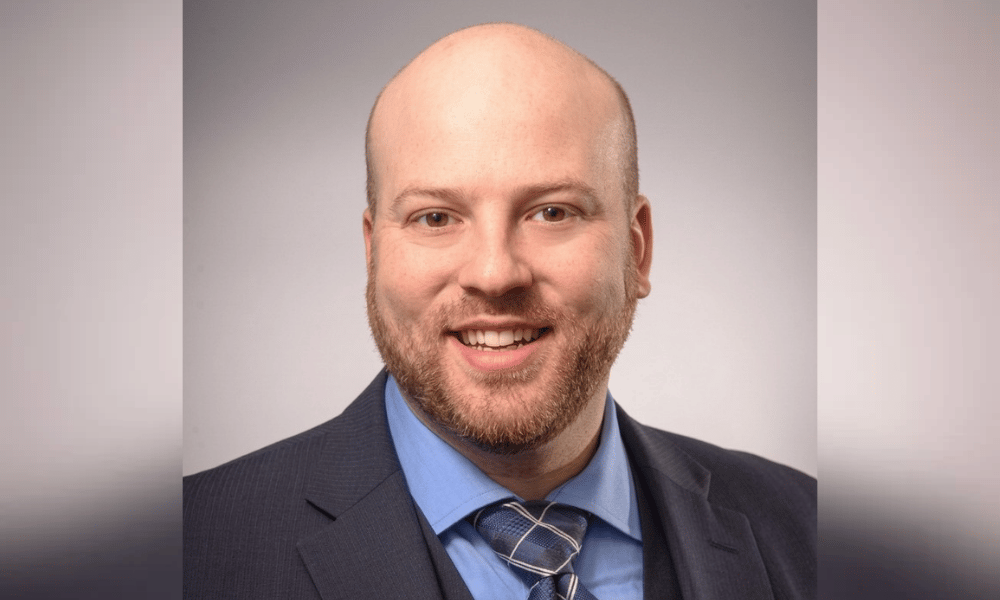
Trump Accounts are drawing strong client interest, but families saving for college should still lean on 529 plans, according to Jeffrey Levine, chief planning officer at Focus Partners Wealth.
The Treasury Department recently said it had completed automatic enrollment for Trump Accounts, giving every eligible child under 18 with a valid Social Security number an account. Parents must still claim it through Treasury’s app before adding money, and families of children born from 2025 through 2028 must separately elect the $1,000 federal seed.
On Oct. 7, the Trump administration's said roughly 70 million children are now enrolled. Temporary Treasury regulations issued in late September 2026 also opened the door to donations of publicly traded U.S. stock to groups of at least 5,000 children, with the shares held for five years.
Focus Partners Wealth is part of Focus Financial Partners, which reports more than $500 billion in collective client assets, 6,300-plus team members and 300-plus completed M&A transactions.
Levine said the free money is the draw, but the funding mechanics confuse clients – particularly as rules for employer contributions of up to $2,500 a year are finalized.
“But there’s been a lot of confusion, especially about the contributions to these accounts, because there’s about five different contributions. You can have your own contributions, employer contributions, the government-sponsored contribution of $1,000, and even contributions from charities,” Levine told InvestmentNews.
JPMorgan Chase, Intel, and Steak 'n Shake, Robinhood and Schwab are among the major companies to commit to matching contributions to Trump accounts for their employees. The most common question, Levine said, is how Trump Accounts fit alongside 529 college savings plans.
“The college funding issue is still better solved in most cases by the 529 because it provides for those tax-free distributions for higher education expenses. Distributions from those Trump Accounts, while they may be available once the child turns 18, they’re still going to be taxable in most cases,” Levine said.
Levine expects the program to keep changing, and administrative action can hinder on upcoming election results.
“The administration has done a lot of finagling right now, even on just administrative rulings. For instance, they weren’t supposed to have stocks, but now companies can contribute stocks, and people will actually have to hold them in their accounts if they receive them. So I think some of it will be done administratively," said Levine. "The other part of this is going to depend upon what happens in the election, because if Democrats end up taking either the House or the Senate or both of those, then it’s going to be a lot harder to pass legislation related to Trump Accounts simply because I don’t think Democrats will play much ball there."
Even so, he urged clients not to reposition portfolios around the November 2026 midterms. “Your long-term plan should be your long-term plan, no matter what,” he said.
For year-end 2026, Levine is checking for tax-loss harvesting, Roth conversions, income dips relative to next year and last-minute charitable gifts.
“So much of tax planning is about push and pull, push and pull of income, push and pull of deductions,” he said, noting that clients can pull items forward or push them into 2027. "At the end of the game, it’s the person who pays the lowest lifetime taxes that wins the game, not necessarily just the lowest tax bill this year,”

Docupace also rebuilt its wealth operations platform around a single client record, while Focus Financial picks Nevis to bring AI to its advisors.

Consolidators handled 53% of deals through September as smaller sellers stalled amid market volatility, DeVoe & Company finds.

Shook Research has a new name and brand, Veritant, and will continue its coveted rankings of financial advisors.

The Supernova-powered lending line follows a Flourish Cash rollout as the insurer pushes private-bank-style tools to its 6,000-plus advisors

New Escalent research finds younger, more diverse DC plan participants are open to rollovers - but increasingly prefer outside firms.
Knighthead Life entered the market with a competitive MYGA. A strong launch earned advisor confidence and paved the way for FIAs.
As AI makes financial information more accessible than ever, Lana Hock explains why human judgment, trust, and empathy remain the qualities clients value most in a financial advisor

