The battle over 12(b)-1 fees is heating up.
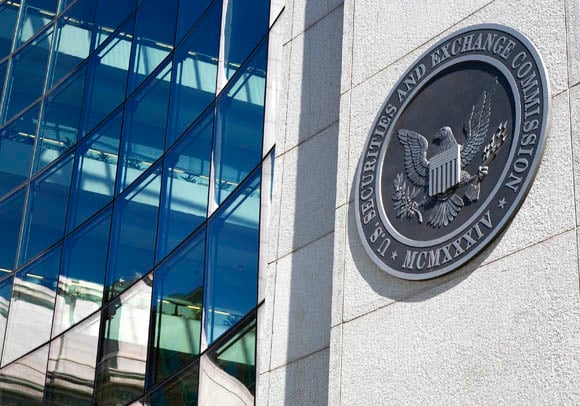
In a comment letter sent today to the Securities and Exchange Commission, Karrie McMillan, general counsel of the Investment Company Institute, said the agency's proposal to cap the fee puts the SEC in “the inappropriate role of a rate maker.”
She also wrote the proposed cap is far more extensive and intrusive than necessary. The proposal, among other things, would hurt investors and cause increased costs on funds, intermediaries and investors, according to the 32-page letter.
“If adopted as proposed, the revisions could fundamentally alter the way intermediaries use funds in various distribution channels, significantly affect the lineup of share class options currently available to investors, necessitate major systems changes, and require the renegotiation of thousands of dealer agreements,” Ms. McMillan wrote. “All of this would be
done at a great cost that would be reflected in higher expenses borne by shareholders.”
(Read the ICI letter slamming the SEC's 12b-1 proposal)
Any potential benefits of the proposal are “uncertain and quite possibly illusory,” Ms. McMillan wrote.
Under the proposal, firms would be allowed to charge a “marketing and service fee” of up to 25 basis points. Anything above that amount would be deemed a continuing sales charge, which would be limited to the highest fee charged by the fund for shares without such a charge.
BlackRock Inc. has also weighed in on the proposal. The asset manager asked the Securities and Exchange Commission to rethink its proposal on 12(b)-1 fees. Among the issues mentioned in a comment letter, the firm expressed concern that the proposal may cause some financial advisers and distributors to get out of the business.
“Attrition in the industry resulting from revenue-driven cost reductions could lead to reduced services and inferior results for clients, all of which is directly counter to the commission's goal of enhancing investor protection,” Barbara Novick, vice chairman at BlackRock, wrote in the letter.
But the costs and work that would result if this proposal passes would ultimately harm investors, particularly those with fewer assets and smaller retirement plans, Ms. Novick wrote.
“We fear that increased operational costs that will result from the proposed changes will either be passed along to consumers in the form of higher fees, or will result in a lowering of service levels or both,” the letter stated. “Smaller investors and smaller retirement plans will be especially harmed as distributors assess and adjust the revenues and expenses of their business models. Finally, such a comprehensive change will have unknown implications for jobs at distributors and asset management companies.”
Today marks the end of the comment period for the proposal.