
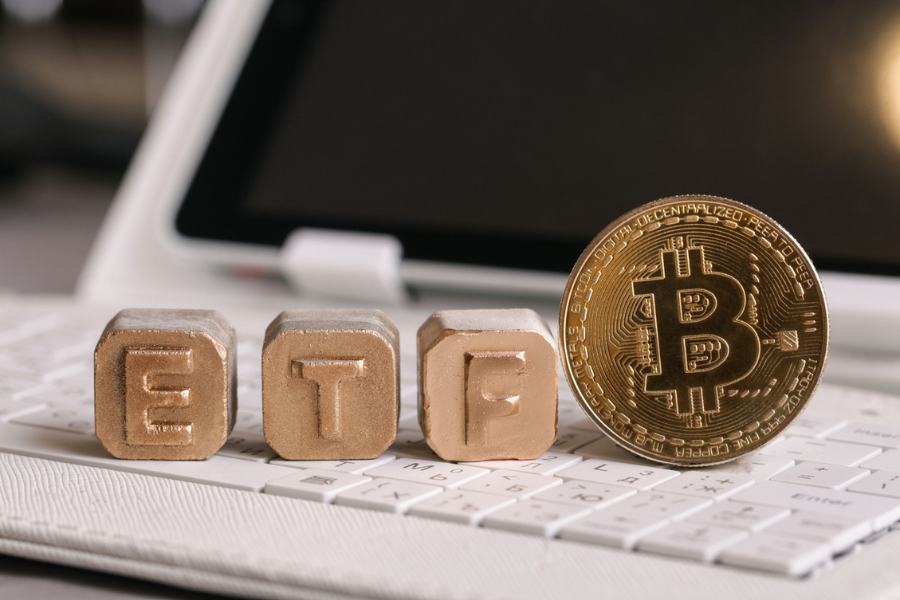
Investors are piling into Bitcoin exchange-traded funds, betting the supply overhang that’s pushed the token lower in past weeks has created a buying opportunity.
US Bitcoin ETFs have seen a net inflow of $438 million over the past two trading sessions, data compiled by Bloomberg show. The original cryptocurrency has tumbled about 20% since early June, squeezed by concerns that creditors of failed exchange Mt. Gox will start to offload tokens the estate is distributing.
“So many investors still don’t own Bitcoin, and that underpins the long-term bull case,” Charlie Morris, chief investment officer at ByteTree, wrote in a note. “This supply storm will soon pass.”
Bitcoin’s decline from its March record accelerated last week after Mt. Gox’s administrators started the process of returning about $8 billion worth of the token to creditors. At the same time, German police started selling some of the 50,000 Bitcoin it had seized earlier from a piracy website.
Bitcoin rose as much as 2.6% on Tuesday to $57,723, but it remains some $16,000 below March’s record high.
“Supply has been a big concern and the known overhang from the liquidation related to Mt. Gox and the German Federal Criminal Police Office – that said, the markets know there is an endpoint to the liquidation of these coins,” Chris Weston, head of research at Pepperstone, wrote in a Tuesday note.

Elsewhere, Wells Fargo Advisors adds a $400 million Morgan Stanley veteran in Naples as an ex-Cetera advisor goes independent with LPL

According to a federal charges Bradley Heppner, 60, received more than $150 million in payments through funneling money from GWG Holdings to a shell company.

A $1B fund allegedly skimmed 30% off the top, then swapped cash for locked-up stock.

Insiders allegedly rewrote projections three times in four days.

TCI Wealth Advisors also has also tapped JIFFYAI to unify onboarding and servicing, while TradePMR adds ICE market data to its Fusion advisor platform
Knighthead Life entered the market with a competitive MYGA. A strong launch earned advisor confidence and paved the way for FIAs.
As AI makes financial information more accessible than ever, Lana Hock explains why human judgment, trust, and empathy remain the qualities clients value most in a financial advisor

