
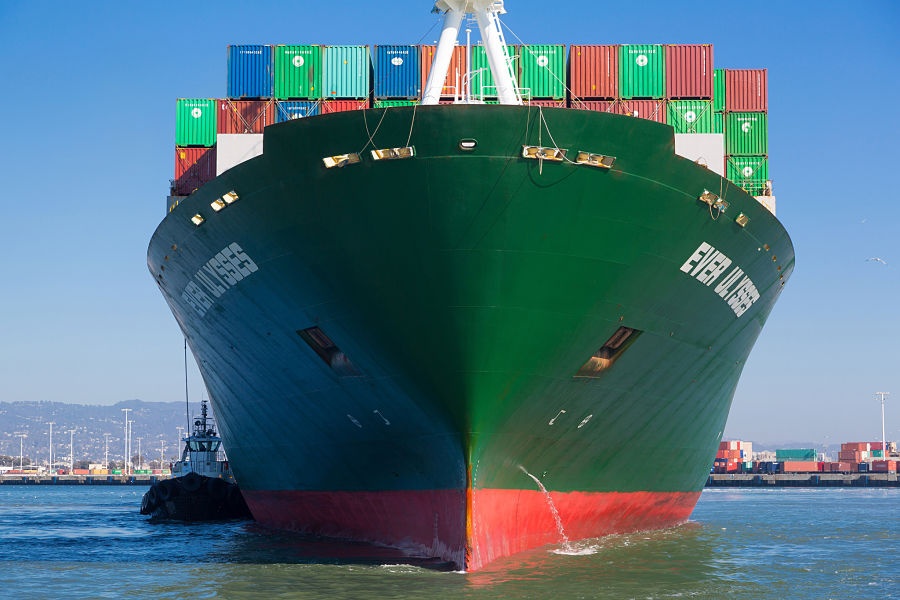
China has strongly objected to a proposed deal for Hong Kong-based CK Hutchison Holdings to sell its majority stake in two key ports along the Panama Canal to a BlackRock-led investment group.
The criticism, published in a state-backed newspaper and amplified by Chinese government agencies, raises some concerns about how or whether the transaction will proceed.
The commentary in Ta Kung Pao, a Chinese state-owned newspaper, accused CK Hutchison of prioritizing profit over national interests. The article, later republished by China’s Hong Kong and Macao Affairs Office, described the sale as “spineless groveling” and a “betrayal” of the Chinese people.
The $22.8 billion deal, announced on March 4, involves BlackRock and a consortium of investors acquiring CK Hutchison’s controlling interest in the ports of Balboa and Cristobal – strategically located on either end of the Panama Canal. The agreement also includes the sale of the company’s stake in 43 other ports spanning 23 countries.
Following the criticism, CK Hutchison’s stock declined sharply, dropping 6.7 percent on Friday, marking its steepest single-day percentage loss in nearly five years. Some analysts said the market reaction reflects concerns that Beijing’s opposition could jeopardize the transaction.
“I’m not aware that any approval from Chinese regulators is required given CKH is retaining all of its existing Chinese ports,” Dan Baker, a senior equity analyst for Morningstar, told CNN. “Of course, there is some chance that other influences may be brought to bear on the company that might put the deal at risk. The market seems to be pricing in some chance of this.”
CK Hutchison, controlled by billionaire Li Ka-shing, has faced pressure from both the US and Panamanian officials to divest from the Panama Canal ports. The company, which retains operations in Hong Kong and mainland China, positioned the deal as a move to refocus its global assets. In a filing to the Hong Kong stock exchange, CK Hutchison said the sale is expected to generate more than $19 billion in cash proceeds.
The transaction also holds geopolitical significance. During his presidential campaign and after taking office, President Donald Trump repeatedly voiced concerns about Chinese entities controlling strategic infrastructure in the Western Hemisphere. He previously stated that China’s role in Panama’s port operations signaled Beijing’s growing influence over the canal.
After news of the deal broke, social media posts sprouted across TikTok and X falsely asserting that BlackRock has taken control of the Panama Canal. A statement from Trump at a joint session of Congress on March 4 contributed to the confusion, where he claimed "[m]y administration will be reclaiming the Panama Canal, and we've already started doing it."
China’s opposition could complicate the deal’s completion, although it is unclear whether Beijing has the authority to block it. The commentary in Ta Kung Pao warned that CK Hutchison should “think carefully about what position and side it should stand on.”

Meanwhile, DPL Financial Partners adds two annuity executives and Prime Capital Financial hires a Mid-Atlantic retirement plan consultant
Andrew Komarow pleaded guilty Thursday in federal court in Hartford to defrauding three financial services companies of close to $3.3 million.

Elsewhere, Cetera picks up a $210 million Connecticut team from MML, while Wells Fargo FiNet adds a San Diego family practice from LPL
Celebrity endorsements, $500M in claimed assets, and a state regulator stepping in.

“We needed to become a more agile and efficient organization,” said American Express CEO Stephen Squeri.
Knighthead Life entered the market with a competitive MYGA. A strong launch earned advisor confidence and paved the way for FIAs.
As AI makes financial information more accessible than ever, Lana Hock explains why human judgment, trust, and empathy remain the qualities clients value most in a financial advisor

