
BlackRock's Larry Fink to top CEOs: Ignore investors and focus on the long term

BlackRock's Larry Fink to top CEOs: Ignore investors and focus on the long term
Money manager tells 500 chief execs to adopt shareholder-friendly practices, sustainable returns.
JUN 16, 2015
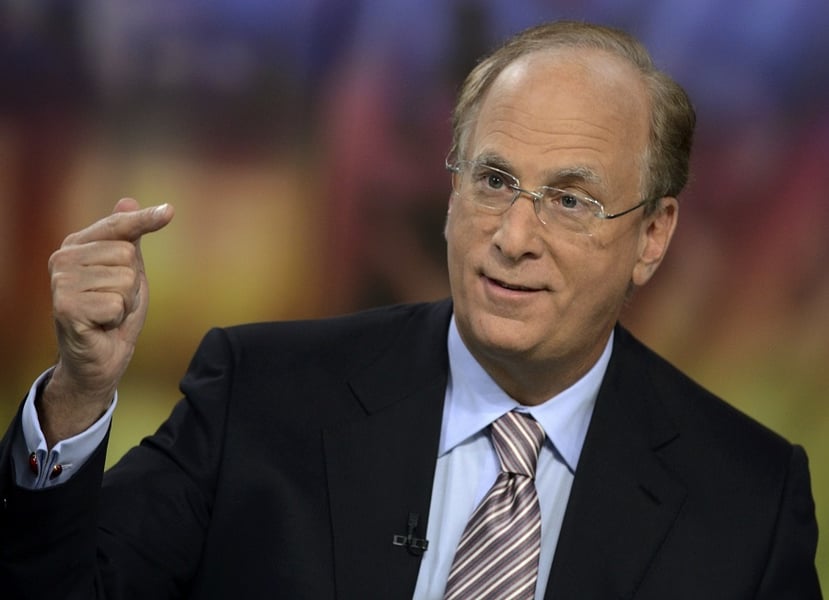
BlackRock's Laurence D. Fink, whose firm is the largest shareholder in companies from Microsoft Corp. to JPMorgan Chase & Co., is telling 500 CEOs to focus on long-term growth and avoid giving in to pressure from investors seeking immediate profits. Mr. Fink reiterated a stance he has taken in letters to chief executive officers in March 2013 and January 2012, urging them to engage in shareholder-friendly practices and sustainable returns. (More: BlackRock dives into ARCP) Management must resist paying out earnings if it compromises longer-term prospects, and communicate their growth strategy, he wrote in a letter distributed Tuesday to the CEOs of companies in the S&P 500 Index. “Corporate leaders' duty of care and loyalty is not to every investor or trader who owns their companies' shares at any moment in time, but to the company and its long-term owners,” the 62-year-old CEO and co-founder of New York-based BlackRock wrote. “Corporate leaders and their companies who follow this model can expect our support.” (More: Investors shun stock pickers, favor Vanguard, BlackRock, State Street) BlackRock, the world's largest money manager with $4.65 trillion in assets, is vocal about corporate practices at companies whose shares it holds, and has a corporate-governance team that seeks to protect its investment assets and increase client returns. BlackRock owns stock through its active funds as well as index products via iShares, the world's largest provider of exchange-traded funds. While global governments should also address policy that rewards a focus on the short term, BlackRock sees an “important role” for itself and other investors in engaging with management and company boards, Fink wrote. The firm changed its proxy voting guidelines this year to clarify expectations for boards and specify when it may vote against directors, he wrote.

Latest News

Technology Is Moving Fast. Adoption Shouldn’t Be Rushed

The tools are evolving rapidly, but in wealth management, the real challenge isn’t access. It’s integration, security, and discipline.

Lawyer exits case of former JPMorgan Chase banker whose sexual assault claims went viral

Chirayu Rana’s lawsuit has garnered massive attention on Wall Street.

Schwab advisor arrested for domestic violence charges

Terrance L. Hayes was arrested April 20 and charged with two felonies.

Most Americans are at risk of outliving their retirement savings

People are living longer, but new research warns that many may outlive their savings.

OECD maps AI’s biggest job risks but LPL’s chief economist sees potential upside

Dr Jeffrey Roach says a 19th-century paradox explains why efficiency gains may lift labor demand.

SPONSORED When Growth Outruns the System

According to Flyer Financial Technologies, rising portfolio complexity is exposing the limits of legacy infrastructure and widening the gap between automation and reality

SPONSORED Why strategy matters more than performance

In volatile markets, the advisors who win aren't the ones with the best calls - they're the ones whose clients stay the course.