
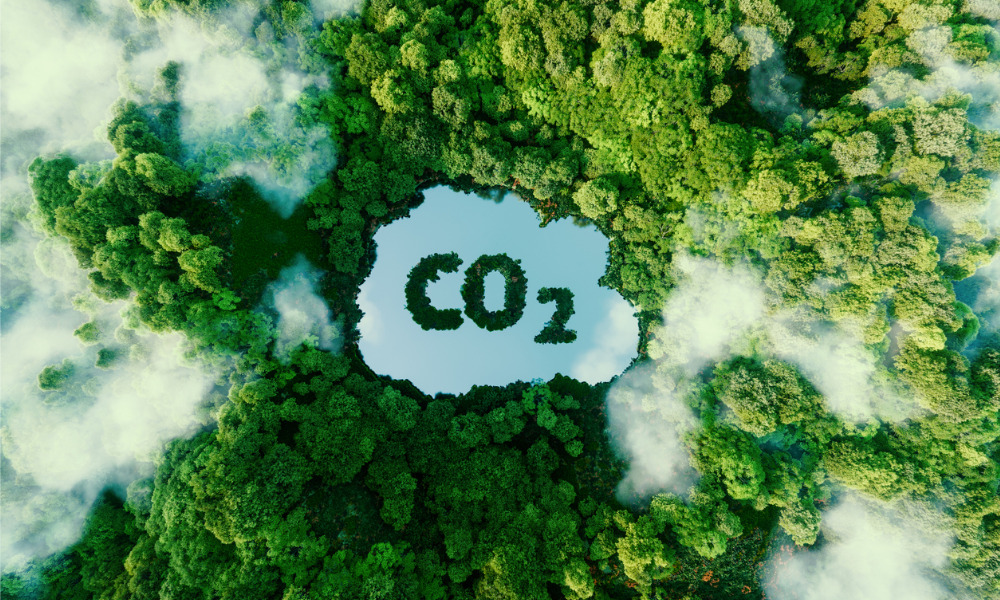
A massive deployment in renewable power production in 2023 wasn’t enough to prevent another record high for global carbon dioxide emissions.
That’s according to the latest data from the International Energy Agency, which shows the green energy boom has blunted — but not yet reversed — the annual increase in planet-warming gases.
Energy-related CO2 emissions rose 1.1% to 37.4 billion metric tons last year. That represented an increase of 410 million tons, down from a increase of 490 million the year before.
One major contributor to the degree of last year’s increase in emissions was extreme drought, which cut the capacity of hydropower production in countries including China and the US. Climate change is set to make droughts more common and severe, undermining the reliability of one of the world’s biggest sources of renewable power.
Still, sources including wind, solar and nuclear power are helping to make a dent in the use of fossil fuels.
“Without clean energy technologies, the global increase in CO2 emissions in the last five years would have been three times larger,” the Paris-based IEA said.

Elsewhere, Wells Fargo Advisors adds a $400 million Morgan Stanley veteran in Naples as an ex-Cetera advisor goes independent with LPL

According to a federal charges Bradley Heppner, 60, received more than $150 million in payments through funneling money from GWG Holdings to a shell company.

A $1B fund allegedly skimmed 30% off the top, then swapped cash for locked-up stock.

Insiders allegedly rewrote projections three times in four days.

TCI Wealth Advisors also has also tapped JIFFYAI to unify onboarding and servicing, while TradePMR adds ICE market data to its Fusion advisor platform
Knighthead Life entered the market with a competitive MYGA. A strong launch earned advisor confidence and paved the way for FIAs.
As AI makes financial information more accessible than ever, Lana Hock explains why human judgment, trust, and empathy remain the qualities clients value most in a financial advisor

