
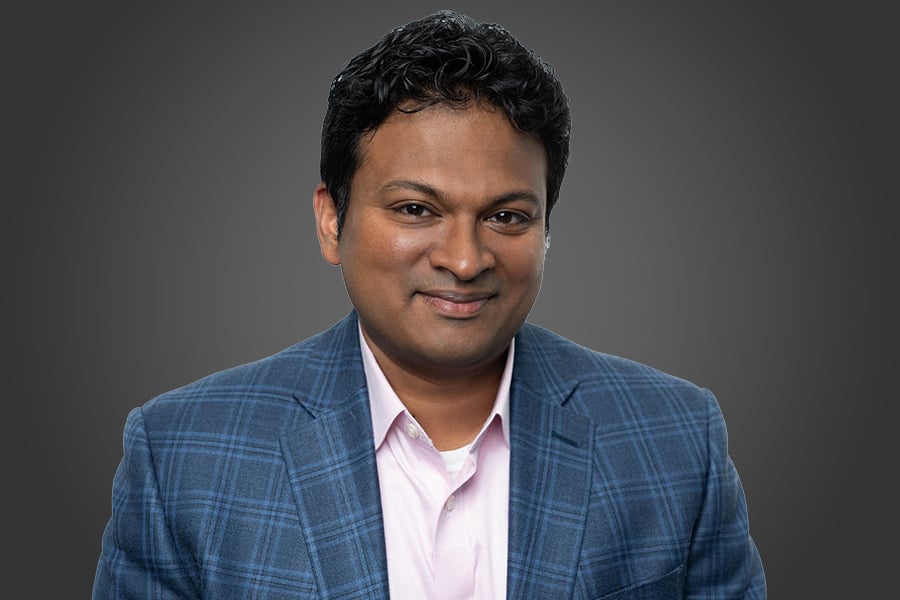
Sonu Varghese is optimistic that the U.S. economy will avoid a recession this year, which makes him an outlier at a time when many others are predicting significant weakness, if not an outright plunge, as a result of rising interest rates and other pressures.
But the employment data don’t signal pending doom, Varghese, vice president and global macro strategist at Carson Group, said Monday. The average number of jobs created per month during the first quarter was 345,000.
“Where is the fragility? Where is the weakness?” Varghese said at the InvestmentNews Retirement Income Summit. “Given what we know so far, it doesn’t look too bad.”
Wage growth is easing, and the labor market is becoming less tight, yet unemployment has hit its lowest level in more than 50 years.
“This is the definition of a soft landing,” Varghese said.
Not only are employment statistics holding their own, but income is hanging in there. Over the last three months, inflation has gone up, but employee compensation and disposable income have increased more.
“My base case is no recession,” Varghese said, but added that anything can happen and the odds are “not zero.”
By his estimate, there's a 25% chance of a recession. That’s reflected in the diversity of the Carson House Views model. It's allocated 65% to equities and 35% to other investments that can counteract a stock downturn, such as Treasury bonds, commodities and gold.
It would be easier for Varghese to be a naysayer on the economy. “The reality is pessimism sells,” he said. “The onus is on the bears to say what that catalyst is” for a recession.
He acknowledged that it’s tough to predict where the market is headed. Show the same data to 10 different analysts, and they’ll give you 10 different stories.
“It’s hard to put a narrative on intraday and … longer-term market movements,” Varghese said.
He comes to the market-prognosticating business from a different direction. Rather than having trained as an economist, he earned a Ph.D. in mechanical engineering from Purdue University. That background has influenced him to rely more on empirical data than on economic models.
He also tends to stay focused on the short term — the economic equivalent of the daily weather forecast rather than an analysis of future weather patterns.
“I try not to forecast,” Varghese said in an interview on the sidelines of the IN conference. “I try to do now-casting.”

Focus Partners Wealth’s Jeffrey Levine says a Democratic House or Senate would make new legislation on Trump Accounts much harder to pass

Docupace also rebuilt its wealth operations platform around a single client record, while Focus Financial picks Nevis to bring AI to its advisors.

Consolidators handled 53% of deals through September as smaller sellers stalled amid market volatility, DeVoe & Company finds.

Shook Research has a new name and brand, Veritant, and will continue its coveted rankings of financial advisors.

The Supernova-powered lending line follows a Flourish Cash rollout as the insurer pushes private-bank-style tools to its 6,000-plus advisors
Knighthead Life entered the market with a competitive MYGA. A strong launch earned advisor confidence and paved the way for FIAs.
As AI makes financial information more accessible than ever, Lana Hock explains why human judgment, trust, and empathy remain the qualities clients value most in a financial advisor

