
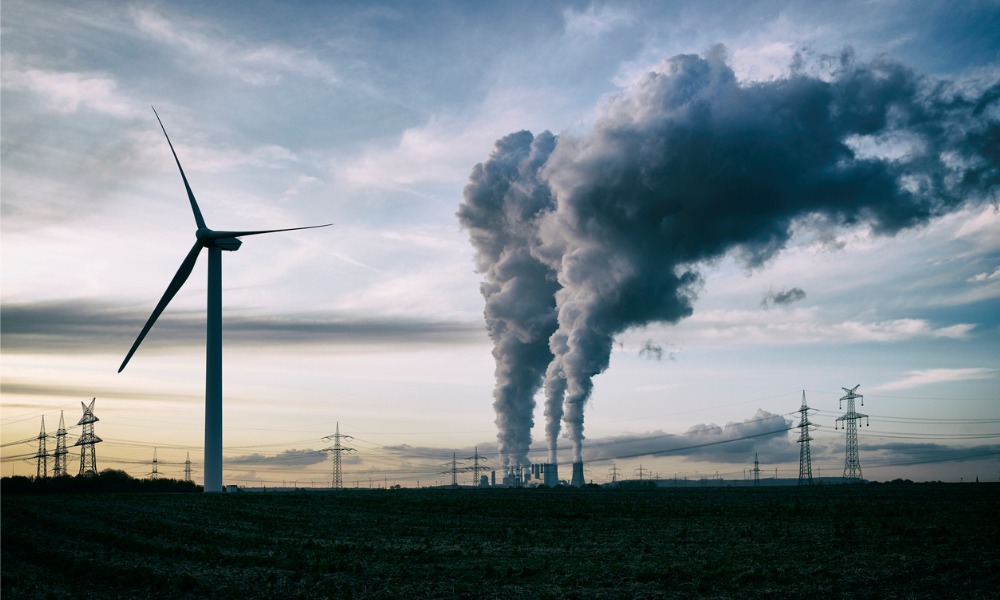
The COP28 climate talks in Dubai ended in a deal that saw a commitment to transition away from all fossil fuels for the first time.
The president of this year’s UN-sponsored summit, the UAE’s Sultan Al Jaber, brokered an agreement that was strong enough for the U.S. and European Union on the need to dramatically curb fossil fuel use while keeping Saudi Arabia and other oil producers on board.
The agreement calls for countries to quickly shift energy systems away from fossil fuels in a just and orderly fashion, qualifications that helped convince the skeptics. Under the deal, countries also are called to contribute to a global transition effort — rather than being outright compelled to make that shift on their own.
“Together we have confronted the realities and sent the world in the right direction,” said Al Jaber, who’s also chief executive officer of Abu Dhabi National Oil Co. He brought the gavel down to confirm the deal on Wednesday, a day later than scheduled. It was met with applause and cheers by delegates.
While the outcome falls short of the phase out most countries wanted, it does break new ground: No previous COP text has mentioned moving away from oil and gas, the fuels that have underpinned the global economy for decades.
How quickly that becomes a reality won’t be decided by the diplomatic horsetrading that clinched today’s deal, but by investors, consumers and national governments. After a pledge to phase down coal in Glasgow two years ago, consumption has continued to rise and the world remains very unlikely to limit warming to the Paris Agreement’s target of 1.5C.
Still, the Dubai decision is an important marker in the global direction of travel toward a low-carbon energy system. The text also includes agreements to triple the deployment of renewable power and double the rate of efficiency gains by the end of the decade. A separate COP28 agreement, reached earlier, makes operations a hard-fought fund for addressing the losses and damages of climate change.
“An agreement is only as good as its implementation. We are what we do, not what we say,” Al Jaber said. “We must take the steps necessary to turn this agreement into tangible actions.”
The COP28 language pushing a decline in fossil fuel use will send “a signal” that “the world is now thinking about it” and change the way investors assess the risk of those ventures, said Jonathan Pershing, environment program director at the William and Flora Hewlett Foundation and a veteran US climate negotiator.
The last-minute deal is a diplomatic win for the UAE and Al Jaber, whose role at Adnoc made him a controversial choice to preside over this year’s talks. There have been hiccups – allegations he used his role to lobby for oil deals and an argument over the science of climate change – but in the end he will argue he delivered.
Al Jaber also used his presidency to bring the oil and gas industry firmly into the COP process and there were more representatives of fossil fuel companies than at any previous summit, drawing criticism from climate activists.
He forged a pact between more than 50 companies to reduce emissions from their own operations. It said nothing about levels of oil and gas production, but a pledge to reduce pollution from methane – 80 times more dangerous than carbon dioxide – to near zero by the end of decade could have a material impact on emissions.
That didn’t prevent Saudi Arabia leading a rearguard action against any attempt to include a fossil fuel phase out in the text. As COP28 got into full swing, the kingdom’s Energy Minister was asked by Bloomberg News if he’d be happy to see a phase down in the text.
“Absolutely not,” he replied.
The Organization of the Petroleum Exporting Countries later sent a letter to members, asking them to lobby against any text that targets fossil fuels rather than emissions.
While the final language was watered down to reflect their concerns, ultimately the coalition of oil producers was left too isolated to resist.

Retiring RIA seller David Laidlaw alleges the Carnegie valued his stake on $11.7 million EBITA while pitching potential buyers on $21.3 million.

New tool gives RIAs and family offices AI help vetting private market deals, with some users reportedly halving review time.

Investors got projected returns dressed up as real ones, SEC says

Parents must still act to get the $1,000 federal seed and employer contributions, giving financial advisors a role in the rollout.

FINRA booted Rudy Anguiano from the industry for “conversion - the intentional and unauthorized taking of another person’s property.”
As AI makes financial information more accessible than ever, Lana Hock explains why human judgment, trust, and empathy remain the qualities clients value most in a financial advisor
Northern Trust’s Ken Lassner shows advisors how to convert volatility into after-tax portfolio gains

