
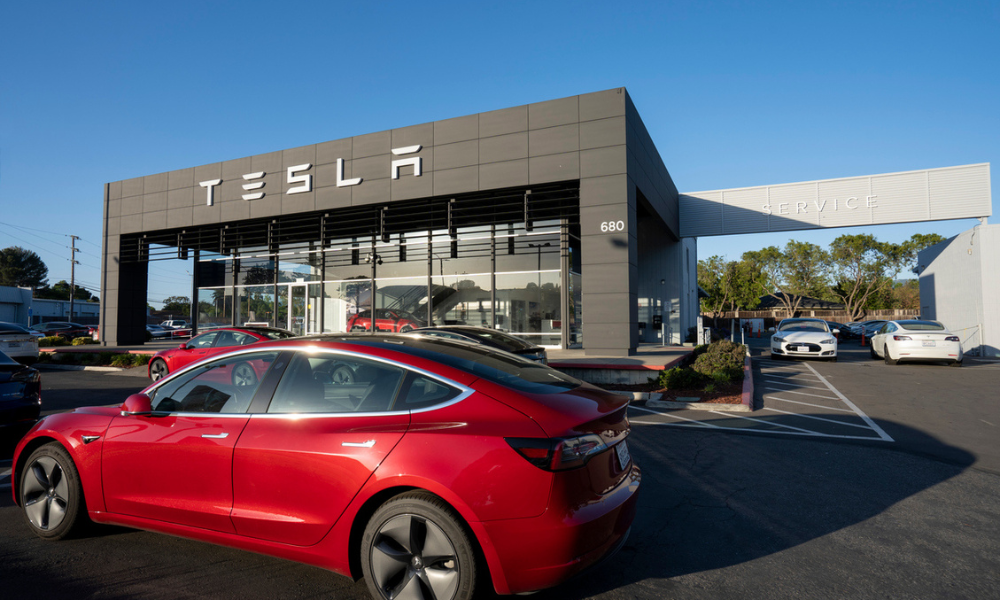
Elon Musk’s fortune slumped by $16.1 billion Thursday after Tesla Inc.’s weak third-quarter earnings weighed on shares.
Musk, who is the richest person on the planet with a fortune of $209.6 billion, owns 13% of Tesla and derives the majority of his wealth from the auto company. Tesla’s shares fell by 9.3% after it missed both earnings and sales expectations for the quarter.
In a conference call following the earnings release Wednesday, Musk repeatedly mentioned the toll of high interest rates on consumer confidence. The electric-vehicle juggernaut reported its first quarterly fall in sales this year, delivering 435,059 vehicles, while margins fell to the lowest in over four years after the company repeatedly cut prices for its cars.
Still, Musk’s wealth is up by more than $70 billion in 2023 alongside a rebound in Tesla shares despite the deteriorating fundamentals. After briefly being overtaken by LVMH’s Bernard Arnault, he’s once again the world’s wealthiest person by a wide margin.
Despite its struggles, Tesla maintains that it will put 1.8 million customers into new vehicles by year-end. Tesla remains the most valuable vehicle producer in the world and said it will deliver its first long-awaited Cybertrucks in November, about two years behind schedule.

Elsewhere, Wells Fargo Advisors adds a $400 million Morgan Stanley veteran in Naples as an ex-Cetera advisor goes independent with LPL

According to a federal charges Bradley Heppner, 60, received more than $150 million in payments through funneling money from GWG Holdings to a shell company.

A $1B fund allegedly skimmed 30% off the top, then swapped cash for locked-up stock.

Insiders allegedly rewrote projections three times in four days.

TCI Wealth Advisors also has also tapped JIFFYAI to unify onboarding and servicing, while TradePMR adds ICE market data to its Fusion advisor platform
Knighthead Life entered the market with a competitive MYGA. A strong launch earned advisor confidence and paved the way for FIAs.
As AI makes financial information more accessible than ever, Lana Hock explains why human judgment, trust, and empathy remain the qualities clients value most in a financial advisor

