
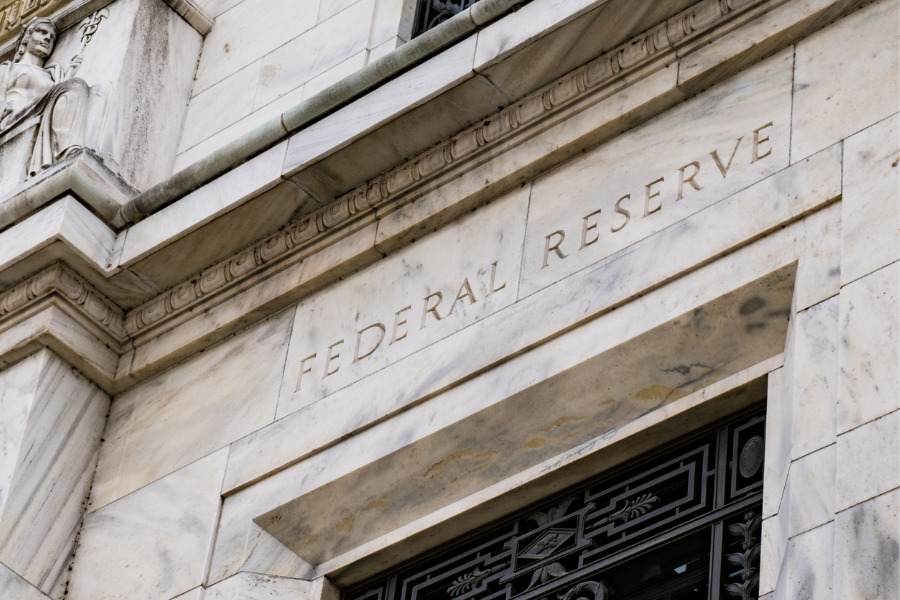
Federal Reserve officials noted a slowdown in the US economy and diminishing price pressures during their June 11-12 meeting, yet decided to maintain a cautious stance regarding interest rate cuts, as revealed in the meeting minutes released Wednesday.
The minutes highlighted several factors, including a weak May CPI reading, which suggested that inflation was easing. However, officials emphasized the need for additional data before making decisions on lowering the federal funds rate.
"They did not expect that it would be appropriate to lower the target range for the federal funds rate until additional information had emerged to give them greater confidence that inflation was moving sustainably toward" the 2 percent target, the minutes stated.
Despite observing signs of slower economic growth and reduced price pressures, Fed officials deemed that a rate cut was not yet justified. "The vast majority of participants assessed that growth in economic activity appeared to be gradually cooling, and most participants remarked that they viewed the current policy stance as restrictive," which is likely to further reduce economic activity and inflation, the minutes indicated.
In their decision to keep the policy rate within the 5.25 percent to 5.50 percent range, officials noted the slower-than-expected progress in reducing inflation this year compared to their December projections. While some participants emphasized patience before cutting rates, "several" others pointed to the potential need for further rate increases if inflation spikes again.
The minutes also noted that the CPI data released on June 12 showed no increase on a month-to-month basis in May, a positive sign that emerged late in the Fed's policy discussions. However, some market analysts were surprised this favorable data was not reflected in the Fed's forecasts from the June meeting.
Speaking at a European Central Bank conference in Portugal on Tuesday, Federal Reserve Chair Jerome Powelle reiterated the bank’s cautious approach to monetary policy, Reuters reported.
"We just want to understand that the levels that we're seeing are a true reading on what is actually happening with underlying inflation," Powell said, adding that "we want to be more confident that inflation is moving sustainably down toward 2 percent ... before we start ... loosening policy."
Policymakers also delayed the anticipated start of rate cuts, with new projections showing Fed officials at the median expect only one quarter-percentage-point cut this year, compared to the three cuts expected as of the March 19-20 meeting.
Upcoming economic data, including the June employment report on Friday, the CPI for June on July 11, and an initial estimate of second-quarter economic growth on July 25, will provide further insights for policymakers as they assess the trajectory of the economy and inflation.

Goldman Sachs retirement survey finds 83% want guaranteed income, while the annuities providing that income increasingly hold private credit.

The AI meeting assistant's Advisor Intelligence plugin turns client conversation data into annual reviews, tax scans and attrition alerts.
Chuck Roberts and Stifel have been facing scrutiny due to sales of structured products and structured notes.

Among other updates, the proposals would let advisors to regulated funds earn performance fees and allow interval funds to offer monthly repurchases.

What will financial advice look like 20 years from now? Evan Vladem explores how AI may transform wealth management while reinforcing the enduring value of human guidance, trust, and empathy.
As AI makes financial information more accessible than ever, Lana Hock explains why human judgment, trust, and empathy remain the qualities clients value most in a financial advisor
Northern Trust’s Ken Lassner shows advisors how to convert volatility into after-tax portfolio gains

