
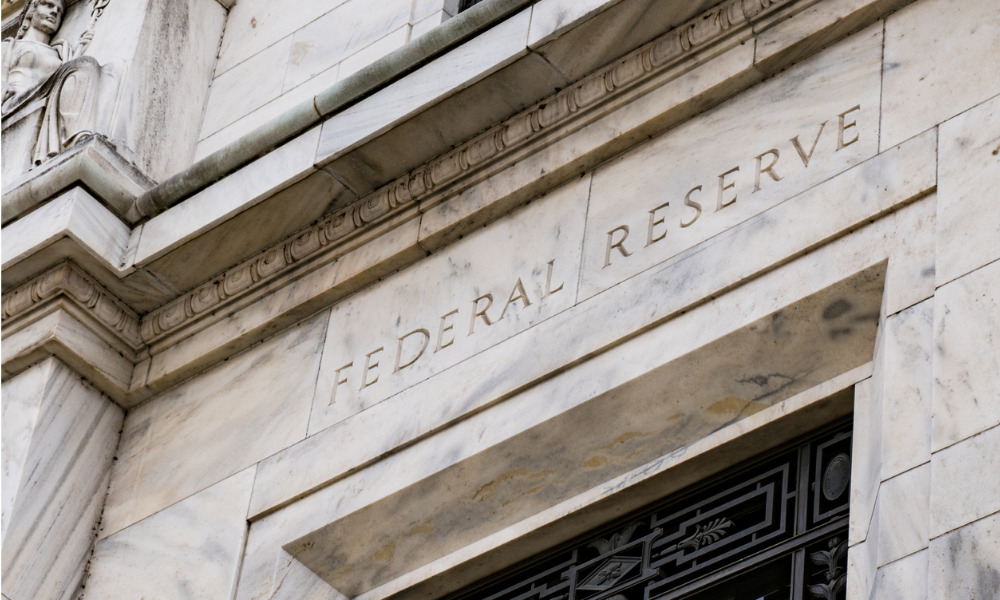
The Federal Reserve has made its first policy rate announcement for 2025 with a decision to hold interest rates.
With the non-move, the Federal Reserve's policy rate now stands at a target range of 4.25 percent to 4.5 percent.
The decision is in line with a fearless forecast from Former Dallas Fed President Robert Kaplan, who told CNBC News on Monday that it would be the right thing for the central bank to "do nothing" this week. Traders and economists also unanimously expected a wait-and-see stance from the Fed leading up to the decision.
In its statement Wednesday afternoon, the Fed highlighted ongoing concerns with inflation, stating that it "remains somewhat elevated."
A December inflation read released in mid-January showed the core consumer price index rose by a less-than-forecast 0.2 percent in the month, following a four-month streak of 0.3 percent increases. Those data point to continued progress towards the Fed's 2 percent target, according to Federal Reserve Bank of Richmond President Tom Barkin.
Jobs data from the Bureau of Labor Statistics earlier this month also showed nonfarm payrolls increasing by 256,000, shattering virtually all expectations. The unemployment rate declined to 4.1 percent, and average hourly earnings rose 0.3 percent relative to November.
"The unemployment rate has stabilized at a low level in recent months, and labor market conditions remain solid," the FOMC statement said. "The Committee judges that the risks to achieving its employment and inflation goals are roughly in balance."
The newly instated Trump administration has wasted no time acting on its policy agenda with a barrage of executive orders within the second-time president's first two weeks in office. As the impact of those actions on the economy remains to be seen, the Federal Reserve appeared to keep an objective stance as it strives to maintain its independence the political arena.
"The Committee would be prepared to adjust the stance of monetary policy as appropriate if risks emerge that could impede the attainment of the Committee's goals," the FOMC said. "The Committee's assessments will take into account a wide range of information, including readings on labor market conditions, inflation pressures and inflation expectations, and financial and international developments."
Meanwhile, President Donald Trump himself has shown a clear willingness to weigh in on monetary policy. Addressing leaders at the World Economic Forum in Davos, Trump said he would not hesitate to press the Federal Reserve to lower interest rates, Reuters reported previously.
"With oil prices going down, I'll demand that interest rates drop immediately, and likewise they should be dropping all over the world," Trump said.
Trump's chest-thumping continued in a subsequent White House press event, where he seemingly implied that when it comes to setting monetary policy, he's more qualified than Federal Reserve Chair Jerome Powell and other officials at the central bank.
"I think I know interest rates much better than they do, and I think I know it certainly much better than the one who's primarily in charge of making that decision," he said.

Halbert Hargrove senior wealth advisor weighs in on the products' guaranteed income upside, the operational drag and his wish list for carriers.

With 8.6% of advisors set to switch firms in 2026, Cerulli says advisor recruitment hinges on technology, branding and HNW support.

“I’m seeing more disputes like this between advisors and other advisors at the same practice,” said one industry executive.

Longer retirements and steady inflation could drain retiree portfolios before heirs inherit, with 4% net returns running dry by year 34.

A single fintech partner triggered a $68.8M credit hit.
As AI makes financial information more accessible than ever, Lana Hock explains why human judgment, trust, and empathy remain the qualities clients value most in a financial advisor
Northern Trust’s Ken Lassner shows advisors how to convert volatility into after-tax portfolio gains

