
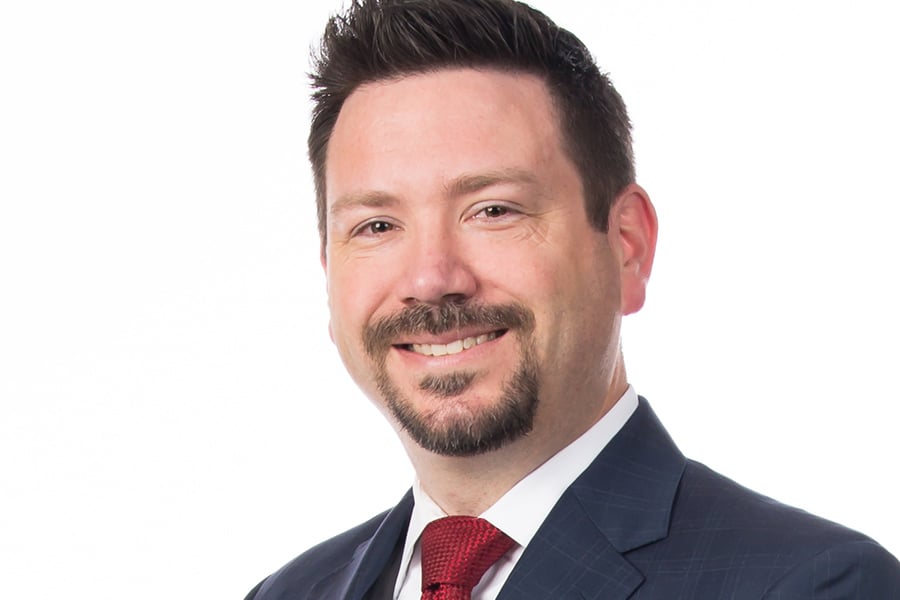
The Financial Planning Association said its board of directors elected Dennis J. Moore, chief operating officer for Dallas-based Quest Capital Management, as the organization's 2021 president-elect.
Moore, whose one-year term will begin Jan. 1, 2021, replaces 2020 President-elect Skip Schweiss, who will serve as president next year.
Moore is currently completing a three-year term on FPA’s board of directors. He has been a member of the organization since 2002 and has served in various leadership roles, including as a member of the board of directors of the FPA of Dallas/Fort Worth, the OneFPA Advisory Task Force and the FPA Alliance Forum, and as chair of the FPA pro bono committee.
He is also chair of the mentor committee for the Texas Tech University Personal Financial Planning Alumni Advisory Board.
Moore earned a B.S. in personal financial planning and an MBA from Texas Tech University.
The FPA board also elected three new members to serve on its board for three-year terms: George A. Fernández, vice president of practice management at Mariner Wealth Advisors in Overland Park, Kansas; Lisa A. K. Kirchenbauer, president, chief compliance officer and senior advisor at Omega Wealth Management in Arlington, Virginia; and Paul J. Brahim, managing director and senior vice president at Wealth Enhancement Group in Pittsburgh.

“The White House has extremely strict ethical guidelines with respect to issues like this,” said Press Secretary Karoline Leavitt.

Just how much does it cost for a financial advice exec to stay out of prison?

The advisor both prices FSK's private loans and gets paid on those prices, the suit claims

The proposal would end decades of paper-first delivery rules, but keeps a paper opt-out and draws early praise from fund and annuity industry groups.

The Trump accounts are “generationally changing” and bring financial literacy to youth, said IRS chief Frank Bisignano.
Northern Trust’s Ken Lassner shows advisors how to convert volatility into after-tax portfolio gains
Dan Biagini of American Equity says the steady decline of pensions, longer lifespans and a reset in interest rates are rewriting how advisors build retirement income

