
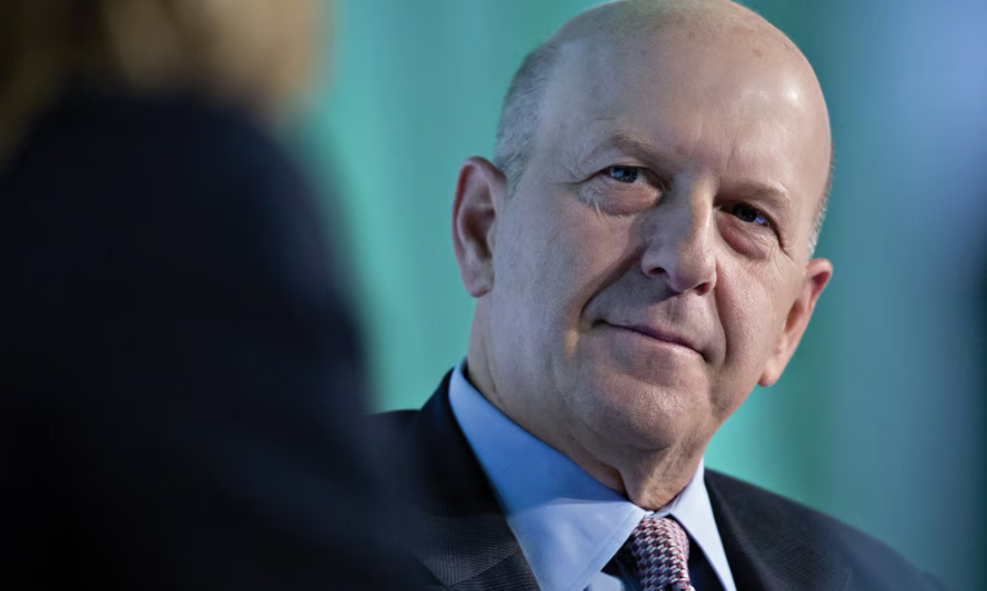
Goldman Sachs is gearing up for its annual workforce reduction, with plans to trim between 3% and 5% of its employees, marking a shift in timing for the firm's regular personnel cuts. Unlike previous years, when these layoffs typically occurred in the second half of the year, this round is expected to take place in the spring.
The New York-based investment bank is primarily targeting vice presidents, a position where executives believe over-hiring has occurred in recent years. According to sources familiar with the matter, some employees were given subtle indications that they might be on the chopping block, including smaller-than-expected bonuses and unfavorable performance reviews. Financial news and jobs site eFinancialCareers first reported the news.
“This is part of our normal, annual talent management process,” a Goldman Sachs spokesperson stated, declining to provide additional details about the layoffs.
Goldman’s overall headcount stood at 46,500 at the end of 2024, and while job cuts are expected, the firm’s workforce is projected to remain relatively stable due to ongoing hiring efforts. Over the past few years, Goldman has taken a cautious approach to managing expenses, especially after facing profitability challenges in certain areas of its business.
The latest cuts follow a series of job reductions in 2023, which were largely driven by a slowdown in dealmaking and the firm’s retreat from its loss-making consumer banking division. However, with an improving economic outlook and stronger performance in investment banking and trading, Goldman recently reported its highest quarterly profit in more than three years.
Focus on efficiency and long-term strategy
CEO David Solomon has emphasized that the firm is prioritizing efficiency. “We believe there are significant opportunities to drive further efficiencies,” he said during an earnings call in January, adding that Goldman is implementing a three-year strategy to improve cost management and streamline operations.
The firm’s renewed focus on core businesses—investment banking, trading, and wealth management—has contributed to a 45% rise in its stock price over the past year. Analysts point to this strategic shift as a key reason for the bank’s financial recovery after its costly attempt to expand into retail banking.
While this year’s layoffs focus on vice presidents, long-term job reductions at Goldman are expected to be driven by artificial intelligence and automation, particularly in operational and back-office roles. The firm recently introduced an AI-powered assistant for bankers, signaling the beginning of broader technology-driven changes that could reshape its workforce in the years to come.
Despite these layoffs, Goldman remains optimistic about its long-term growth, positioning itself to capitalize on market activity while ensuring that its staffing levels align with its evolving business priorities.

Halbert Hargrove senior wealth advisor weighs in on the products' guaranteed income upside, the operational drag and his wish list for carriers.

With 8.6% of advisors set to switch firms in 2026, Cerulli says advisor recruitment hinges on technology, branding and HNW support.

“I’m seeing more disputes like this between advisors and other advisors at the same practice,” said one industry executive.

Longer retirements and steady inflation could drain retiree portfolios before heirs inherit, with 4% net returns running dry by year 34.

A single fintech partner triggered a $68.8M credit hit.
As AI makes financial information more accessible than ever, Lana Hock explains why human judgment, trust, and empathy remain the qualities clients value most in a financial advisor
Northern Trust’s Ken Lassner shows advisors how to convert volatility into after-tax portfolio gains

