
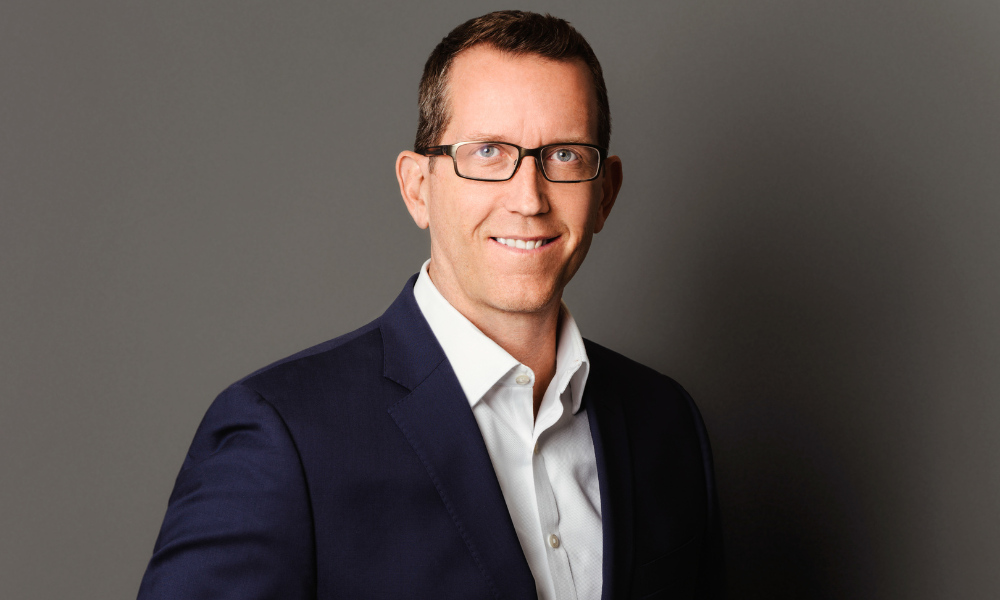
Clinton Investment Management operates in a highly specialized area – tax-exempt fixed-income solutions – catering to ultra-high-net-worth clients and institutions. For Andrew Clinton, the firm’s founder and CEO, success in such a niche demands both depth of expertise and the ability to navigate an industry often mired in inefficiencies.
“When I first came out of college, I wanted a career in finance,” Clinton says. “But I didn’t realize the breadth of the financial services industry – it was about finding a path with both opportunity and challenge. The scoreboard is your track record and the growth of your firm.”
Municipal fixed income became Clinton’s focus due to its inefficiencies and the opportunities they presented. The municipal bond market is vast, featuring over 60,000 issuers and a million different CUSIPs, yet remains largely unsophisticated.
“It’s an extraordinarily inefficient market, and rightly so,” he added. “The opacity and complexity of the market really piqued my interest and has kept me excited about it ever since.”
At Clinton Investment Management, an unrelenting focus on accountability anchors both its team dynamics and client relationships.
“The client comes first – it’s an overused phrase in finance, but underappreciated in practice,” Clinton says. “Many clients entrust us with a lifetime of wealth. It’s a deeply personal relationship, and we take that responsibility very seriously.”
Clinton’s approach to leadership reflects these values. Accountability isn’t just a client-facing principle – it’s embedded in the firm’s culture.
“Everyone here is accountable not just to clients, but to one another,” he explained, adding that this team-focused dynamic is crucial for delivering the firm’s stated goal of exceeding expectations. For Clinton, this mindset extends beyond performance: it’s about service and responsiveness. “It’s not just about returns. It’s the engagement level, the problem-solving. At the end of the day, we’re partners helping clients navigate challenges.”
Reflecting on how the firm has weathered uncertainty, Clinton pointed to experience as the foundation of its resilience. Having founded the company in 2007, just before the financial crisis, he learned the value of discipline during volatile periods.
“We’ve navigated crises like the financial meltdown, Meredith Whitney’s municipal bond predictions, Brexit, and COVID. Even though the future is unknowable, our experience gives us confidence to navigate what comes.”
Clinton’s insights extend beyond investment strategies to the broader industry. He acknowledges the complexities in maintaining client trust while integrating evolving financial products like ESG investments.
"There’s a dark side to greenwashing – it’s often just a marketing tool. Mass transit and other projects are inherently green, but they don’t get enough attention because they aren’t new products.”
For aspiring leaders in finance, Clinton emphasized humility, self-awareness, and specialization.
“It’s important to understand your strengths and weaknesses and to remember that we are servants to our clients,” he said. His advice for those entering the industry is to focus deeply on a niche. “There’s room for extraordinary success in the most remote places of finance,” he explained, pointing out that solving problems for clients is what ultimately builds lasting relationships and reputations.
Clinton’s approach reflects a blend of technical expertise and human-centric leadership.
“At the end of the day, we’re problem-solvers,” he said. “It’s not about being the best at everything – it’s about being the best at what you specialize in.”

Heartwood Wealth Advisors deal marks the serial acquirer's 36th-ever transaction as third-quarter RIA M&A volume slips 19%

The AI lab disclosed more than $8 billion in 2025 losses on an operating basis as financial advisors weigh a supersized listing likely to land past the midterms.

Valuations and ethical fit are top of mind nowadays, but questions of liability are also crucial for RIA sellers worried about post-sale risks.

Goldman's president and COO is expected to replace David Solomon as CEO as soon as 2027, ending a near-decade at the firm's helm.

A state-by-state Medicaid report card, federal cuts starting in January and a home-equity cap due in 2028 are pushing a program most affluent families ignore into the planning conversation.
As AI makes financial information more accessible than ever, Lana Hock explains why human judgment, trust, and empathy remain the qualities clients value most in a financial advisor
Northern Trust’s Ken Lassner shows advisors how to convert volatility into after-tax portfolio gains

