
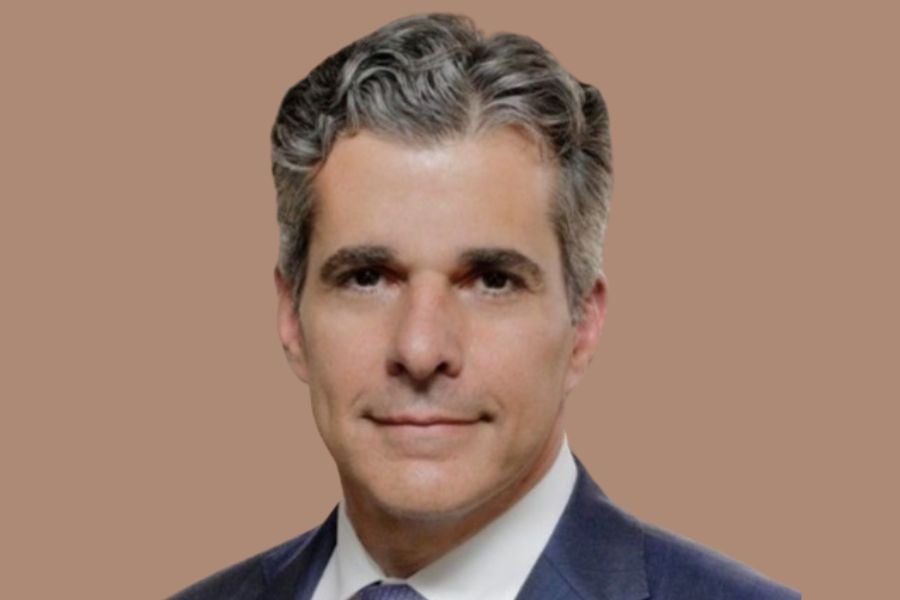
For Nicholas Tompras, CEO and chief investment officer of ACR Alpine Capital Research, aligning mission objectives with a value-based approach defines his practice.
After all, at the heart of ACR's strategy is the integration of mission, objectives, and process. "Having a very clear connection between the mission, objectives, principles and the process is essential," Tompras says. “We emphasize a fundamental value-based approach to asset management.”
But ACR's adherence to its principles is not just theoretical; it's a daily practice. Tompras believes in the need for stubbornness and independence in maintaining these principles, especially in a fluctuating market. However, this should not be at the expense of integrity.
“Integrity is paramount,” he says. “If we lose business doing the right thing, that's okay – but we certainly don't want to do that. Our fifth principle, our communication principle, is so critically important to make sure that our clients understand what it is we're doing and how we're doing it. That we, they don't make the mistake of selling at the wrong time.”
Tompras also emphasizes the importance of building a team that not only believes in the firm's investment principles but is also composed of independent thinkers who challenge the status quo.
“I think the most important thing that's occurred here over the years is building a like-minded team that has a real understanding and deep belief in these investment principles, which is really difficult to find,” Tompras says. “And at the same time, independent thinkers who are willing to challenge anything.”
Client alignment is another key factor for ACR, as it is important to have clients who understand and agree with the company’s absolute return-based approach. According to Tompras, ACR’s returns can significantly vary from market trends, which necessitates clear communication from the outset. This goes hand in hand with the company’s focus on fundamental results rather than market prices, with Tompras critiquing the overemphasis on market price total return, advocating for a more nuanced understanding of equity ownership.
"We have used very innovative fundamental return metrics for the last 20 years, which communicates the underlying fundamentals in terms of the income of the companies, the growth of the earnings and so on," Tompras says.
A prime example of ACR's investment philosophy in action is their involvement with Fairfax Financial.
“A good example of our valuation excellence, which requires discipline and a robust analytical framework, is a company that we own called Fairfax Financial - a Toronto-based insurance company with $28 billion in gross premiums 2022. Property casualty insurance is a business, like investing, which requires a great deal of discipline. One of thing that appeals to us about Fairfax is that they’re disciplined – they’re willing to walk away from business, except premium volatility in the shorter run to make sure that they're they are underwriting for the long run.”
Beyond planning for the future of their operational successes, Tompras says ACR is invested in offering a small handful of strategies in different asset classes. For instance, there are clear distinctions between their Equity Quality Return (EQR) and Multi Strategy Quality Return (MQR) strategies, with each tailored to different investor profiles.
“I would say that EQR is typically considered as a core holding from the standpoint of quality and its focus on US markets,” says Tompras. “However, in a lot of institutional portfolios, it can be a satellite strategy where the client is going passive at the core, since EQR is concentrated and absolute-return focused. -
“I would say, in general, the average risk tolerance of the clients who invest in EQR is a little bit lower - given the fact that it's a more understandable strategy in domestic equities. Whereas MQR has a global equity and credit mandate and includes smaller companies and special situations that are harder to understand for the typical client. MQR, however, is still quality focused despite being more opportunistic.”

Elsewhere, Wells Fargo Advisors adds a $400 million Morgan Stanley veteran in Naples as an ex-Cetera advisor goes independent with LPL

According to a federal charges Bradley Heppner, 60, received more than $150 million in payments through funneling money from GWG Holdings to a shell company.

A $1B fund allegedly skimmed 30% off the top, then swapped cash for locked-up stock.

Insiders allegedly rewrote projections three times in four days.

TCI Wealth Advisors also has also tapped JIFFYAI to unify onboarding and servicing, while TradePMR adds ICE market data to its Fusion advisor platform
Knighthead Life entered the market with a competitive MYGA. A strong launch earned advisor confidence and paved the way for FIAs.
As AI makes financial information more accessible than ever, Lana Hock explains why human judgment, trust, and empathy remain the qualities clients value most in a financial advisor

