
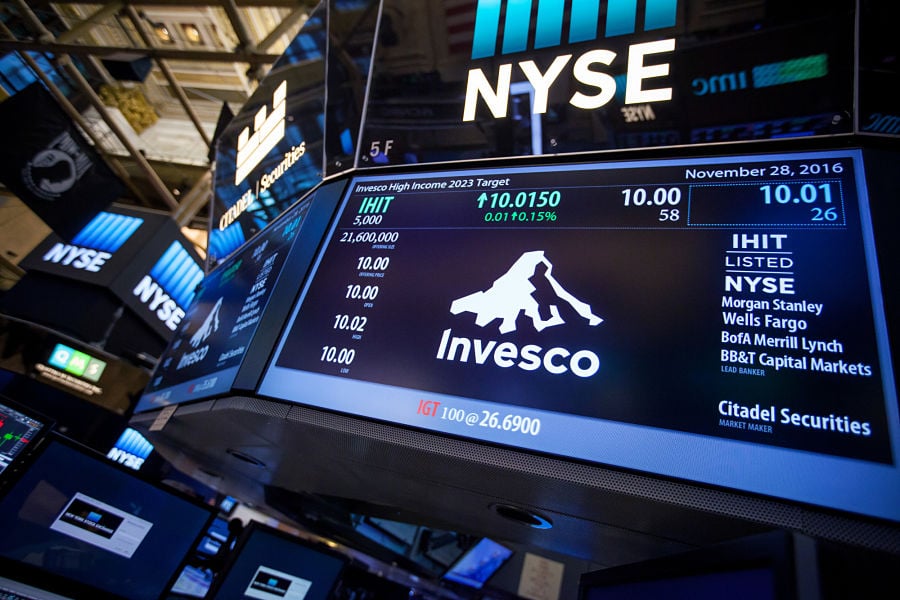
Invesco Ltd. is giving one of its underperforming funds a socially conscious makeover.
The firm’s UK Companies Fund, which manages 152 million pounds ($205 million), will become the Invesco Sustainable UK Companies Fund at the end of the month and add environmental, social and governance factors to its investment decisions, according to a statement on its website.
It’s not clear if the new criteria will alter the fund’s portfolio, which in December had big positions in BP, Anglo American and Barclays. An Invesco spokesperson could not provide more information ahead of the changes taking effect on Jan. 31.
Founded in 1988, the fund has underperformed its benchmark over three, five and 10 years, though its fortunes improved over the past year. After the name change, the fund will switch benchmark from the Investment Association UK All Companies Sector to the FTSE All Share index.
The move comes after Invesco rebadged other international funds last year, joining managers including M&G and Fidelity in putting a sustainable twist on existing portfolios. Investors have poured money into U.K. sustainable funds, which nearly doubled their assets to 88.7 billion pounds in the year through October.

The financial advice industry has been facing inquiries into its cash sweep programs for years now.

Investor money allegedly went to strip clubs, exotic cars, and landscaping

Procyon adds $415 million in assets under management in New Jersey while Savant picks up a $213 million Southern California planning firm

With a growing number of real estate-rich Baby Boomers aging into retirement, some advisors may be failing to consider all the options available for those clients' assets.

Cornerstone Advisors study reveals compliance bottlenecks stall campaigns weeks after customer opportunities close.
As AI makes financial information more accessible than ever, Lana Hock explains why human judgment, trust, and empathy remain the qualities clients value most in a financial advisor
Northern Trust’s Ken Lassner shows advisors how to convert volatility into after-tax portfolio gains

