
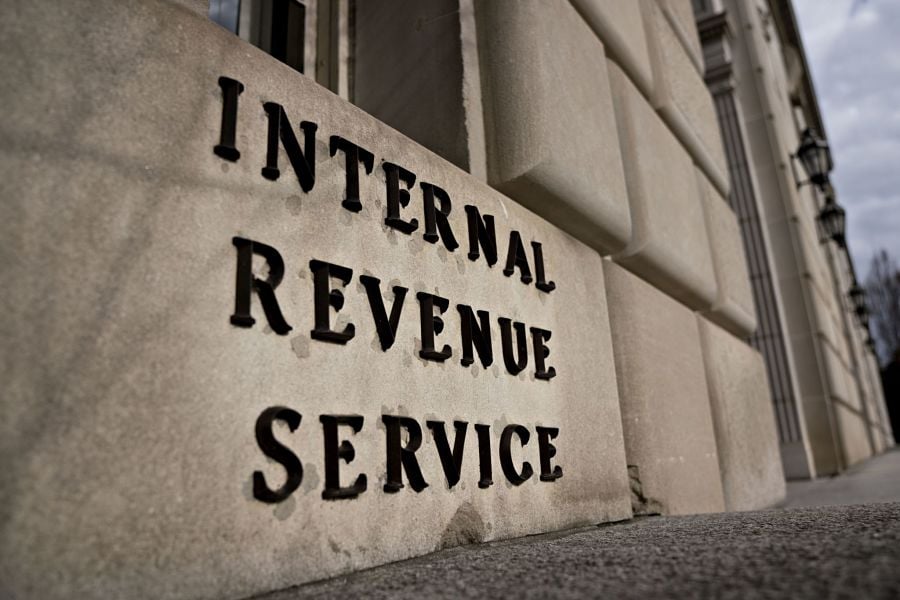
As extreme wildfires continue to engulf parts of California, the Internal Revenue Service has unveiled a slate of measures and concessions to help affected taxpayers.
The federal revenue collection agency made the announcement Friday, following a disaster declaration from the Federal Emergency Management Agency, which at the time applied only to Los Angeles County.
"The same relief will be available to any other counties added later to the disaster area," the IRS said in its statement.
The IRS taxpayers impacted by the fires – for which the economic and financial toll has gone up from a previous $57 billion estimate to as high as $150 billion, potentially making it the costliest disaster in California's history – now have until October 15 to make key federal tax filings and contributions to certain tax-advantaged accounts. Those include but are not limited to:
While taxpayers whose address on record can expect automatic filing and penalty relief, the IRS explained that those who moved after filing their return or residents outside the impacted areas who otherwise qualify for relief may need to contact the agency.
"This also includes workers assisting the relief activities who are affiliated with a recognized government or philanthropic organization," it said.
Those affected by the calamity in Los Angeles have the option to claim disaster-related casualty losses on either their 2024 or 2025 federal income tax returns, including uninsured or unreimbursed losses. Additionally, qualified disaster relief payments received from government agencies for personal, family, or property-related expenses are excluded from gross income.
For individuals with retirement accounts, the IRS highlighted other potential steps to ease their financial burdens. Affected taxpayers may be eligible to take disaster-related distributions from their retirement plans or IRAs without incurring the usual 10 percent early withdrawal penalty. These distributions can also be spread out over three years for tax purposes, reducing the immediate financial impact.
Additionally, participants in retirement plans may qualify for hardship withdrawals if they face significant disaster-related expenses, including costs for home repairs, medical bills, or other urgent needs.
Echoing a previous advisory extended to victims of Hurricanes Helene and Milton last year, the IRS emphasized affected taxpayers must take the specific rules governing their retirement plans and accounts into consideration.
"Each plan or IRA has specific rules and guidance for their participants to follow," the IRS said, adding it "may provide additional disaster relief in the future."

Meanwhile, DPL Financial Partners adds two annuity executives and Prime Capital Financial hires a Mid-Atlantic retirement plan consultant

Andrew Komarow pleaded guilty Thursday in federal court in Hartford to defrauding three financial services companies of close to $3.3 million.

Elsewhere, Cetera picks up a $210 million Connecticut team from MML, while Wells Fargo FiNet adds a San Diego family practice from LPL

Celebrity endorsements, $500M in claimed assets, and a state regulator stepping in.

“We needed to become a more agile and efficient organization,” said American Express CEO Stephen Squeri.
Knighthead Life entered the market with a competitive MYGA. A strong launch earned advisor confidence and paved the way for FIAs.
As AI makes financial information more accessible than ever, Lana Hock explains why human judgment, trust, and empathy remain the qualities clients value most in a financial advisor

