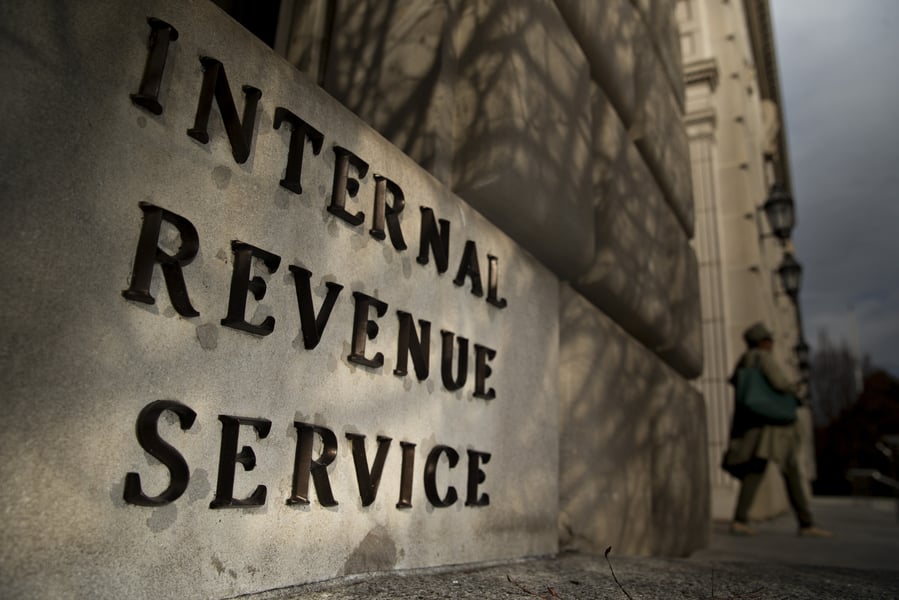
The IRS sent out fewer refund payments in the first week of the tax season compared to the same period in 2018 as the agency struggled to recover from a government shutdown that hampered tax officials' ability to prepare.
(
More: Limited deduction rubs SALT into taxpayer wounds)
The
Internal Revenue Service sent out about 4.67 million tax refunds in the week ending Feb. 1, down about 24% from about 6.17 million in the same period in 2018, according to agency statistics detailing the filing season.
Only about one in eight IRS employees worked during the 35-day partial federal government shutdown that ended just before the filing season launched, and when the agency was in the final stages of testing systems and hiring and training seasonal workers.
Employees who were developing systems worked during the shutdown, but the employees who handle refund processing were furloughed for most of that time. Eventually, the IRS was allowed to recall some workers ahead of the start of filing season, but it couldn't reach many of them to get them back on the job without getting paid.
This year's filing season, which began two days after the shutdown ended on Jan. 25, could be particularly complicated because it's the first under the 2017 tax law that overhauled the federal tax code by lowering rates, eliminating some deductions and creating new tax breaks.
The average refund check paid out so far has been $1,865, down 8.4% from $2,035 at the same point in 2018, according to the IRS data. Low-income taxpayers, who are eligible for refundable tax credits that increase the value of their checks, often file early to have that money in hand.
The IRS has said it expects to issue about 2.3% fewer refunds this year as a result of the changes in the tax law. Some Wall Street analysts, though, expect the total value of refunds to rise by about $20 billion. While the increase won't be evenly distributed, some lower-income filers — those more likely to spend their windfall right away — are likely to see bigger refunds.
(
More: Furloughed government employees pulling money from
Betterment accounts)
More than 90% of filers are expected to take the standard deduction this year, up from about 75% in 2018. Alternatively, taxpayers can itemize all their tax breaks, including those for mortgage interest payments and state and local taxes.