
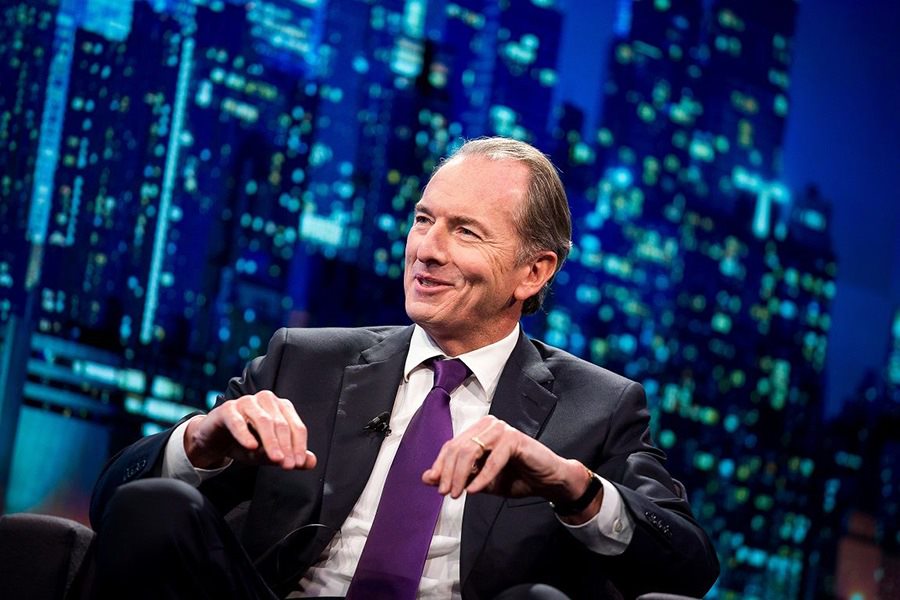
Morgan Stanley Chief Executive James Gorman said he sees the risk of a U.S. recession at about 50% even as he’s more focused on nonfinancial perils, including the possibility of cyberattacks.
“It was inevitable this inflation was not transitory, it was inevitable the Fed would have to move faster than they were projecting,” Gorman said Monday at the Morgan Stanley US Financials, Payments and CRE conference. “There was a legitimate recession risk. I used to think it was about 30%. It’s probably more like 50% now — it’s not 100%. It behooves you to be a little cautious.”
Morgan Stanley has strong liquidity and capital, and a sturdy credit profile, Gorman said, adding that his focus is more on nonfinancial risks such as data stability, cyber and operations risk “given where we are around the world and some of the geopolitical uncertainty associated with that.”
The fallout could hurt some institutions with some “potentially fatally damaged,” though U.S. banks are in very good shape, the CEO said.

A Nationwide survey finds 47% of GLP-1 users have never discussed the drugs’ financial impact with an advisor, even as many dip into savings.

The hundreds of millions of dollars from a sale of Inspired Healthcare properties does not mean an immediate windfall for investors.

Its SEC filings said one thing - a congressional probe said another.

Sham agreements allegedly padded revenue by 345%.

"Most pre-retirees are uncomfortable making key retirement income decisions without an advisor's help," said Chris Bailey of Cerulli.
Knighthead Life entered the market with a competitive MYGA. A strong launch earned advisor confidence and paved the way for FIAs.
As AI makes financial information more accessible than ever, Lana Hock explains why human judgment, trust, and empathy remain the qualities clients value most in a financial advisor

