
Morgan Stanley took huge hit on real estate fund, report says

Morgan Stanley took huge hit on real estate fund, report says
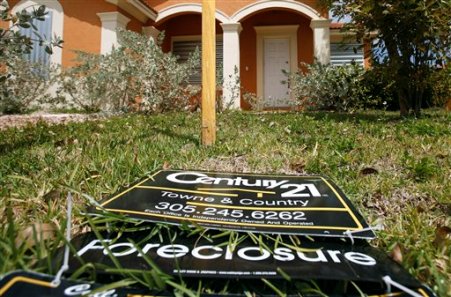
Morgan Stanley Real Estate Fund VI International said to be down 61% -- not suprising, given the fund was raised at the peak of the property boom
APR 15, 2010
Morgan Stanley, which once ran the biggest property-investment arm among Wall Street banks, expects to lose $5.4 billion, or 61 percent, of its $8.8 billion global fund from 2007, said a person familiar with the situation. The firm sent a fourth-quarter update to investors in recent weeks showing the fund was likely to recover $3.4 billion of the investment, said the person, who declined to be identified because the information wasn't public. A spokesman for New York-based Morgan Stanley declined to comment. Morgan Stanley raised the fund, Morgan Stanley Real Estate Fund VI International, toward the end of the property surge when market prices were at or near the peak. At the time, it was the largest private fund ever raised targeting high-return real estate investments. The expected loss was reported yesterday by the Wall Street Journal. Morgan Stanley invested its 2007 fund around the world, including Asia and Europe. In the U.S., the firm defaulted last year on a $2 billion loan to buy Crescent Real Estate Equities Co. in 2007 and handed over 17 million square feet of office buildings to lender Barclays Capital. Morgan Stanley agreed in 2009 to relinquish five San Francisco office buildings to its lender, two years after buying them from Blackstone Group LP. Once the second-largest U.S. securities firm, Morgan Stanley converted to a bank holding company in September 2008 and accepted $10 billion of government bailout funds to survive the credit crisis.

Latest News

IRA assets swell to $19.2 trillion as 401(k) rollovers drive growth

IRAs now hold nearly twice the assets of 401(k) plans — and most of that money didn't arrive through annual contributions.

Women feel confident about saving, but many still keep cash in low-yield accounts

A new survey finds that many women prioritize financial security but continue to leave savings in accounts that may not keep pace with inflation.

SEC seeks comment on prediction-market ETFs after May pause

Roundhill, Bitwise and GraniteShares funds remain on hold while the agency weighs how novel ETFs should be regulated.

Dump investment banks, buy alternative asset managers, says Oppenheimer

"Shares of alternative assets managers have lagged this year as investors grow wary of private-credit exposure."

TaxStatus rolls out rules-based tool to flag advice gaps

The fintech platform is touting a new AI-free Planning Observations feature, which draws on IRS tax records to uncover opportunities for advisors.

SPONSORED Who builds the income when the pension disappears?

Dan Biagini of American Equity says the steady decline of pensions, longer lifespans and a reset in interest rates are rewriting how advisors build retirement income

SPONSORED Why direct indexing stopped being optional

Direct indexing is on pace to outgrow ETFs and mutual funds. Northern Trust's Ken Lassner explains why the advisors who get it wish they had started sooner.



