
Elon Musk and Tesla Inc. won dismissal of a lawsuit claiming they pumped up the price of the cryptocurrency Dogecoin into a $258 billion “pyramid scheme.”
Investors who lost tens of thousands of dollars investing in the cryptocurrency faulted Musk for promoting the token to his millions of Twitter followers with statements like “One word: Doge,” causing its price to increase. Musk further inflated the price by then announcing that Tesla would accept Dogecoin as payment for merchandise, according to the 2022 complaint.
Baby Doge, doo, doo, doo, doo, doo,
Baby Doge, doo, doo, doo, doo, doo,
Baby Doge, doo, doo, doo, doo, doo,
Baby Doge
— Elon Musk (@elonmusk) July 1, 2021
A New York federal judge dismissed the claims on Thursday, finding that Musk’s statements were “aspirational” rather than “factual and susceptible to being falsified” and “no reasonable investor could rely upon them.”
The investors had also accused Musk and Tesla of participating in a “pump and dump” scheme with Dogecoin, but US District Judge Alvin Hellerstein wrote that it was “not possible to understand” those allegations.
A lawyer for the plaintiffs said his clients are disappointed and plan to appeal.
“Musk’s statements and publications were far more than puffery and a class of millions lost billions of dollars as result,” attorney Evan Spencer said in a statement.
A sticker advertising Dogecoin on a cryptocurrency automated teller machine (ATM) at a laundromat in Hong Kong, China, on Thursday, June 9, 2022. Tesla Inc. Chief Executive Elon Musk expressed his interest in Bitcoin and Dogecoin early last year and allowed Tesla customers to buy the electric cars with Bitcoin, helping to send the crypto market to record highs. Photographer: Paul Yeung/Bloomberg
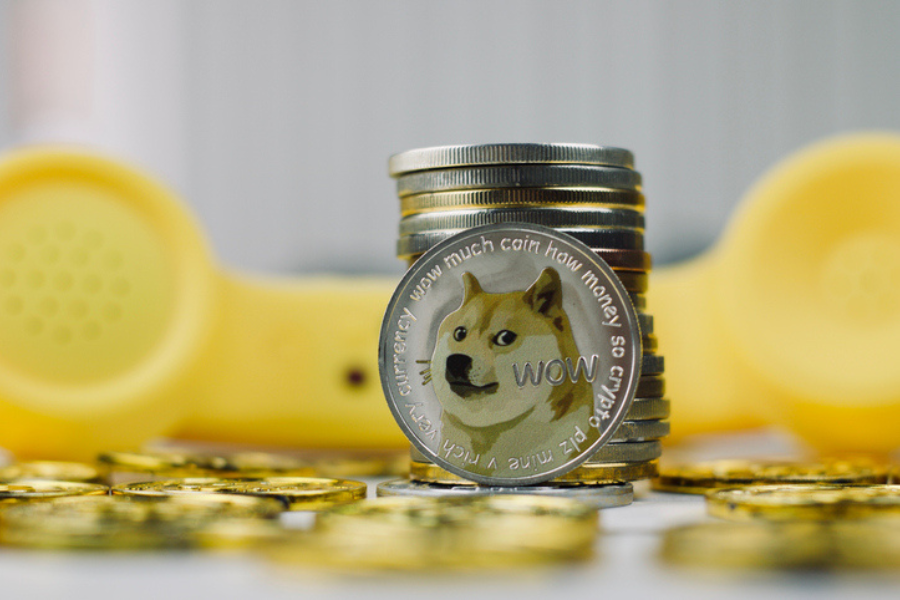
Dogecoin was the original memecoin — a type of cryptocurrency that originated from internet memes or jokes. Its logo is a picture of a Shiba Inu dog.
The case is Johnson v. Musk, 22-cv-05037, US District Court, Southern District of New York (Manhattan).

New Allspring research finds 401(k) participants want guidance on income and rollovers, not just portfolio automation.

Aging homeowners hold record housing wealth - but most advisors still aren't bringing it into retirement plans

$1.7M invested from an inheritance. Then the phone went dead.

The pre-IPO platform sold $430M in units while allegedly rigging prices behind the scenes.

A Nationwide survey finds 47% of GLP-1 users have never discussed the drugs’ financial impact with an advisor, even as many dip into savings.
Knighthead Life entered the market with a competitive MYGA. A strong launch earned advisor confidence and paved the way for FIAs.
As AI makes financial information more accessible than ever, Lana Hock explains why human judgment, trust, and empathy remain the qualities clients value most in a financial advisor

