
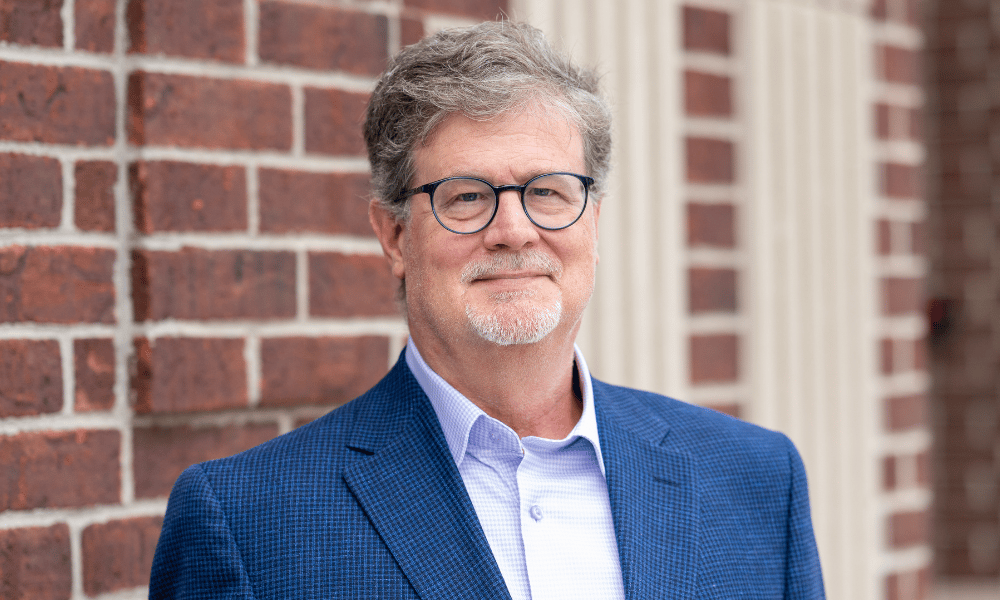
Prairie Wealth Advisors, a registered investment advisor based in Omaha, Nebraska, has named Mike Finnegan as its first chief investment officer, the firm announced Wednesday.
The move gives the fast-growing RIA dedicated investment leadership for the first time as it approaches $1 billion in client assets.
Finnegan arrives with more than 30 years of experience in asset allocation, portfolio construction and manager research. Before joining Prairie Wealth, he held senior investment roles at ManchesterStory Fund Management, Guggenheim Investment Management and Principal Financial Group, where he served as lead portfolio manager on target date funds that grew from $3 billion to $20 billion during his tenure.
"As Prairie Wealth enters its next stage of growth, we are continuing to invest in the people, processes and capabilities that help us deliver thoughtful advice and disciplined portfolio management for clients," said Craig Hundt, chief executive of Prairie Wealth.
"Mike brings deep institutional experience, strong investment judgment and a client-first philosophy that aligns closely with how we serve families."
Finnegan's hire comes after Prairie Wealth completed its merger with The McEwen Group, a five-advisor team that had operated under the RBC Wealth Management umbrella. That deal, announced in May, brought roughly $400 million in assets under management and about $200 million in 401(k) assets into the Prairie Wealth fold, along with three additional staff members.
Prairie Wealth's own AUM pre-merger was around $550 million, including nearly $450 million entrusted to the firm by high-net-worth individual clients, according to its most recently filed Form ADV with the Securities and Exchange Commission.
Prairie Wealth built its investment approach around municipal bonds and alternative strategies, while the McEwen Group added equity-focused expertise along with estate and succession planning capabilities.
Hundt has said the firm specifically sought advisors capable of attracting new business, along with staff experienced in handling clients with complex financial needs – a combination he called central to the merger's rationale.
“When considering our recent merger, I wanted next gen advisors with the ability to attract new business, you might say, next generation ‘rainmakers,’" Hundt told InvestmentNews following the merger announcement. "Along with that, it was key to bring on an advisor team that has experience working with clients that have complex planning situations."
As chief investment officer, Finnegan will be responsible for building what Prairie Wealth describes as a rigorous, systematic investment framework intended to move the firm beyond generic model portfolios.
His mandate includes leading manager research and due diligence, integrating risk management across investment decisions, and expanding the firm's alternatives program. He will also serve as a market-facing voice for the firm, contributing commentary and supporting conversations with clients and prospects.
"I'm excited to be joining Prairie Wealth at such an important time for the firm's evolution," Finnegan said. "The team has built a strong reputation for thoughtful, planning-led advice, and I look forward to helping further strengthen the investment platform behind that work."
Finnegan will be based in Omaha, where Prairie Wealth is headquartered.

Kenneth Leech pleaded guilty in June to one obstruction charge, and could face six to 12 months in prison.

Launch of Direct AI follows a model portfolio tie-up with Envestnet as advisors juggle AI adoption and private-market due diligence.

Meanwhile, Cetera's streak of Commonwealth recruitment continues in Washington, and an LPL advisor hops over to Raymond James in Maine.

The Sussex County wealth firm, built around business-owner clients, extends the California-based aggregator's footprint in the East Coast.

The Kestra-owned RIA acquirer merges the planning firm into KDI Wealth Management, creating a majority woman-led advisor team
Knighthead Life entered the market with a competitive MYGA. A strong launch earned advisor confidence and paved the way for FIAs.
As AI makes financial information more accessible than ever, Lana Hock explains why human judgment, trust, and empathy remain the qualities clients value most in a financial advisor

