
RFG Advisory is strengthening its platform with new board appointments and a strategic investment aimed at accelerating its push into AI-driven advisor technology.
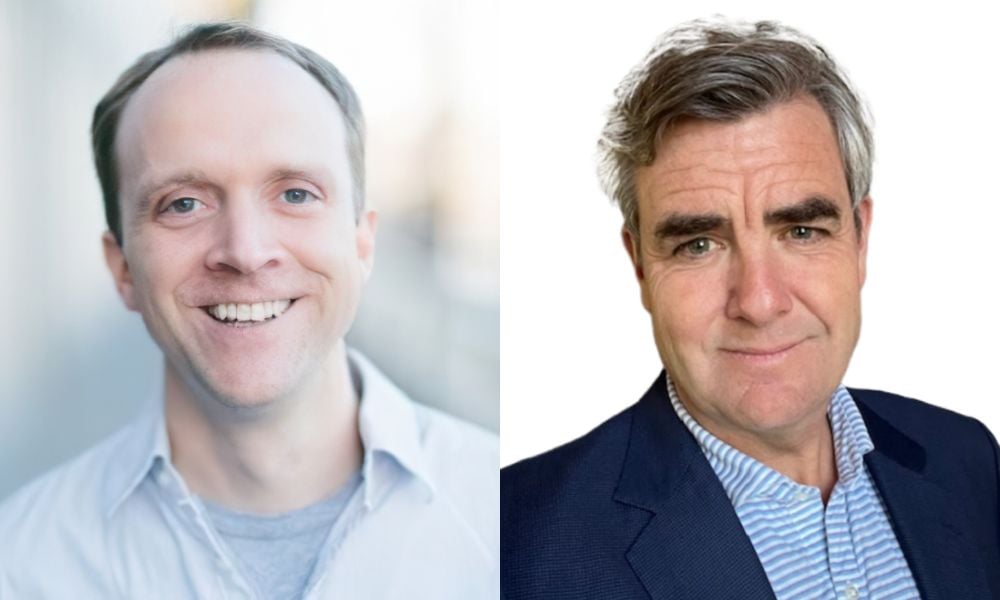
The firm added Mark Gilbert, co-founder and CEO of Zocks Communications, and industry veteran Jim Patrick to its board of directors. The hires are intended to enhance both RFG’s investment capabilities and its technology infrastructure as it continues to evolve its platform for independent advisors.
Alongside the board changes, RFG announced it has invested in Zocks as part of the firm’s Series B funding round. The move is designed to support RFG’s broader goal of building a unified, AI-powered operating system that integrates data, workflows and intelligence.
The investment builds on RFG’s ClickONE platform, which connects tools and data into a single operating environment. Zocks contributes by capturing and structuring client interaction data and automating key processes, allowing for deeper integration across the advisor experience.
CEO Shannon Spotswood said the firm is focused on building a cohesive system rather than assembling disparate tools.
“RFG is not interested in building a collection of tools. We are laser-focused on building the operating system for the modern independent Advisor,” she said. “The future of this industry belongs to firms that can unify data, intelligence and execution into a single intuitive experience that elevates how Advisors operate. We’re building something that’s designed to help Advisors move faster, serve clients more effectively and be well positioned for generations to come.”
President Ed Swenson highlighted the role of artificial intelligence in driving efficiency and growth.
“The wave of innovation coming is greater than anything we’ve yet seen in the industry. We believe the “human in the loop” wins every time and Advisors armed with this tech will win. We’ve already built the foundation with ClickONE,” he said. “Our investment in Zocks accelerates that build, allowing us to embed AI into the core of how Advisors operate, giving time back and surfacing opportunities for organic growth. That’s where you start to unlock real scale and enterprise value.”
Gilbert said the collaboration reflects a shared vision for integrating AI into advisors’ daily workflows.
“RFG has a clear vision for the future of the Advisor experience, one that is fully integrated, intelligent and built for how Advisors actually work,” he said. “We share a belief that AI should not sit on the sidelines, but should actively power workflows, decisions and outcomes. Together, we are building something fundamentally different from what exists in the market today.”
Patrick added that the firm’s approach could reshape how advisors engage with clients. “The industry has traditionally tried to solve problems through a product lens rather than a client engagement lens,” he said. “That’s one of the reasons I’m excited to join RFG. The investment being made in the platform for Advisors is designed to create a flywheel, where greater adoption leads to deeper client engagement and, ultimately, better client outcomes.”
The moves reflect RFG’s broader effort to reduce operational friction for advisors while creating a more connected and scalable platform.

CFP, CFA and CPA holders could gain accredited investor status as regulators weigh wider private market access for advisory clients

DeepVest, Vanilla and Libretto roll out tools to help financial advisors launch firms, close estate plans and sharpen planning skills

“People aren't effectively using their wealth in retirement,” said David Blanchett of Prudential.
Second-generation NFL ref Shawn Hochuli co-founded IWM Partners in Irvine, California, a wealth management practice with more than $500M in client assets

U.S. seniors lose $28.3 billion annually as a result of financial exploitation, according to a 2023 AARP study.
As AI makes financial information more accessible than ever, Lana Hock explains why human judgment, trust, and empathy remain the qualities clients value most in a financial advisor
Northern Trust’s Ken Lassner shows advisors how to convert volatility into after-tax portfolio gains

