
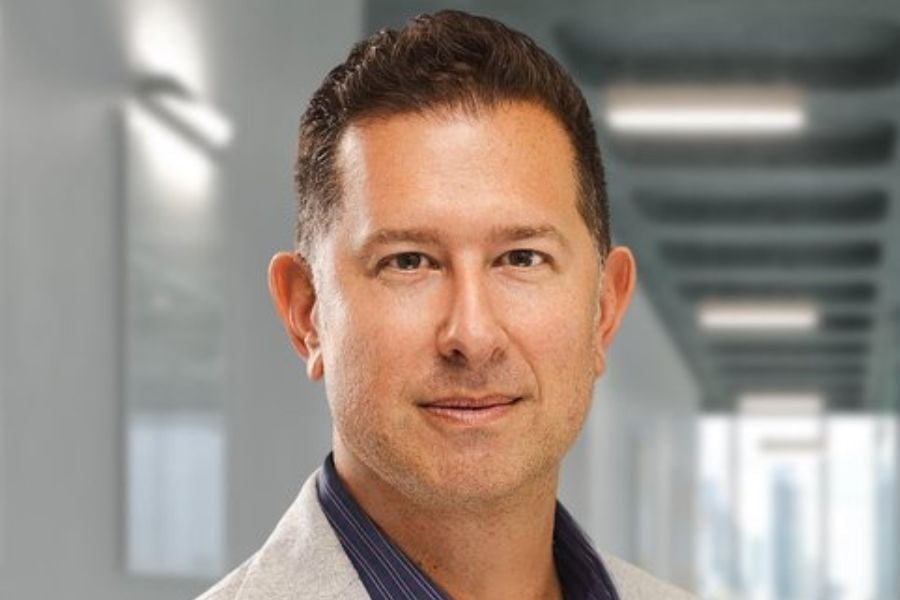
As a growing number of advisors turning to independence, an executive at a firm that invests in RIAs cited a few inflection points that have driven the massive shift since its inception in the 1980s.
Bryan Staff, managing partner at Merchant Investment Management, an investment firm that specializes in the financial services industry, said the Long-Term Capital bailout in 1998, the 9/11 terrorist attacks and the financial crisis of 2008 all played a big part in shaping the wealth management industry.
“It was always looked at as, if you're a client, you're always safest at a wirehouse,” Staff said. “What people figured out after those inflection points … is that those aren't the safest platforms, they're commingling money.”
Wirehouses, of course, weren’t doing anything illegal, Staff says, but what led to the financial crisis was taking client money and moving it into higher ROI practices. “When they failed, the banks almost failed … but the great thing that came out of that was people realized the custodial side of the business and independent wealth are there for the safekeeping of assets.”
Staff, who was formerly a partner at Purshe Kaplan Sterling Investments, will be one of several speakers at InvestmentNews’ RIA Connect event in New York, to be held April 16 at the Conrad New York Downtown. More than 30 advisors and wealth professionals are expected to participate in the one-day event, with a keynote by Joe Duran, CEO at Rise Growth Partners. Advisors can attend for only $99.
One topic Staff will be addressing at the event are the factors involved in practice acquisition and how advisors can value a business. He says it boils down to evolution.
“Is this a fully seasoned firm that's fully scaled out? How are they handling growth? How scalable is their investment platform? What's the culture of the business? You certainly need to understand where management's at in its lifecycle,” Staff says.
RIAs are wonderful business organizations to partner with and to invest in, Staff says, because the RIA business has two things that aren’t typically found in financial services: growth and yield.
“You either have a business you're investing in, that's more of a venture investment, and its growth,” Staff says. “It's not really a cash-flowing business because they're bringing all of the cash flows in to scale it out and to expand.”
The RIA side of the business is growing. Firms are increasing in terms of both the number of clients and their AUM, they're scaling out the business, and there are high-level personnel coming into the space to help them do that, Staff says. With that, comes cash flows.
“RIA is a cash business,” he says. “You have clients, whether it's by way of asset management, financial planning or other types of activities, they generate cash. The most important aspect of the business and why capital is flowing in is because an RIA has those characteristics of growth and yield.”
Additionally, people are always No. 1, especially in the RIA space.
“If you're going to be acquiring a practice, you better spend the time to make sure that you guys are fundamentally aligned on how you manage the business, how you interact with clients, what are the technology, capital markets and custodial options, that you guys both share,” Staff said.
Ultimately, whether an advisor’s on the buy side or the sell side, the most important factors to really consider, he said, are availability of financing, appropriateness of structure, and cultural fit.
“This is a formidable industry that has secular growth trajectory behind it,” he says. “It's only going to grow, and in a globalized system, people are going to expand internationally.”

See which platforms and providers earned 5-Star recognition this year

Meanwhile, a multigenerational Cambridge team has hopped to LPL in Michigan, and Cetera's run of Commonwealth recruitment continues in New Jersey.

TIAA survey finds 53% of Americans worry about running out of money, as AI and medical advances scramble retirement income planning.

Two wirehouse veterans choose advisor-owned model as independents target ultra-high-net-worth clients beyond portfolio management.

Guardian's Nancy DeRusso tells InvestmentNews how advisors can help close the 'longevity gap'.
As AI makes financial information more accessible than ever, Lana Hock explains why human judgment, trust, and empathy remain the qualities clients value most in a financial advisor
Northern Trust’s Ken Lassner shows advisors how to convert volatility into after-tax portfolio gains

