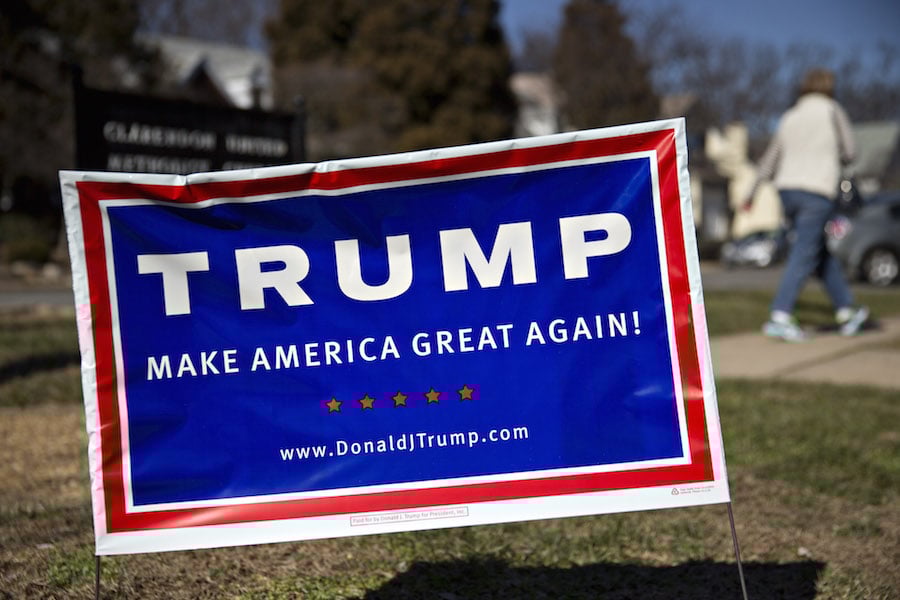
Donald Trump's anti-trade, anti-immigration and isolationist policies would not bode well for the U.S. economy or the country's standing in the world, say two of the U.S.'s top investment strategists.
Under a
Trump presidency, “the state of the U.S. economy will be dramatically different than today,” said OppenheimerFunds' chief investment officer Krishna Memani.
Schwab's CIO, Liz Ann Sonders, noted that “unfortunately, Trump is not pivoting away” from those positions. “Isolationism is a problem. The world expects us to lead,” she added.
Their comments came during a panel discussion at the Investment Company Institute's general membership confab on Thursday. Beside the election, the two freely addressed a range issues from low interest rates, investor anxiety about the next
bear market, millennials' distrust of the financial services industry and the rise of robo-advice.
Both clearly expressed concern that the markets and investors will experience more volatility as Mr. Trump, the presumptive Republican nominee, and Democratic front-runner Hillary Clinton ramp up their battle heading into the fall, .
“We are about to vote between the two most disliked candidates in history … it's a shame,” said Ms. Sonders.
Ms. Sonder also said it is unclear what a Clinton presidency would be like. Will Ms. Clinton adopt challenger Bernie Sanders' more leftist policies on government spending and income equality or will she be more like her husband, the consummate centrist?
“My instincts tell me they (both Ms. Clinton and Mr. Trump) are more coming to the middle,” said Ms. Sonders.
Mr. Memani acknowledged that the successes of Mr. Trump and Mr. Sanders in the primaries are fueled by a “dissatisfaction with the status quo,” which is congressional gridlock on jobs and taxes, and the singular reliance on Fed monetary policy to juice up the economy.
To confront and disarm that anger among many Americans, Mr. Memani said the U.S. needs to “pivot toward a fiscal policy” that would boost jobs and overall economic growth. Ms. Sonders, in a swipe at the GOP-controlled Congress, said getting there “requires adults to get in the sandbox and play nice.”