
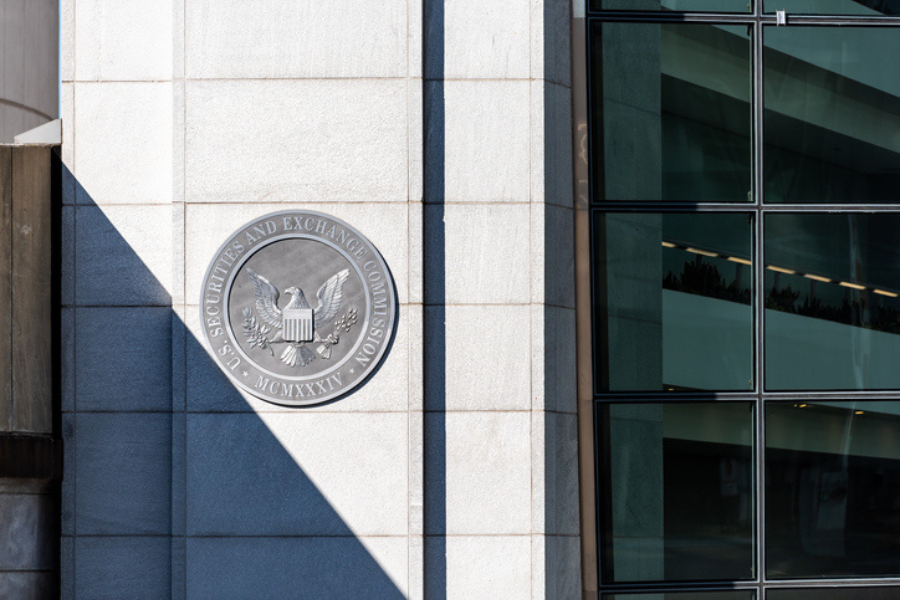
The Securities and Exchange Commission announced in December 2023 that it was bolstering risk management practices for the US Treasury market. But as implementation approaches, how do market participants view its impact?
The adoption of rules updating the membership standards required of covered clearing agencies for the US Treasury market with respect to a member’s clearance and settlement of specified secondary market transactions was welcomed by SEC chair Gary Gensler at the time.
“The $26 trillion Treasury market — the deepest, most liquid market in the world — is the base upon which so much of our capital markets are built,” he said. “Having such a significant portion of the Treasury markets uncleared — 70 to 80 percent of the Treasury funding market and at least 80 percent of the cash markets — increases system-wide risk.”
The final rules make changes to enhance customer clearing and broaden the scope of which transactions clearinghouse members must clear.
The first phase of adoption comes into effect by March 2025, including changes regarding the separation of house and customer margin, the broker-dealer customer protection rule, and access to central clearing required to be completed. Further changes will be implemented in 2026.
In a report published this week, Coalition Greenwich said that experts from market participants have tried to predict the impact of the new regulations and debated the potential pros and cons for all sides since the rules were adopted in December 2023.
Some of the most influential firms in the market including four of the top five Treasury dealers by revenue, the largest pension funds, asset managers and hedge funds in the world by assets, and some of the largest non-bank Treasury market liquidity providers, were interviewed for the report.
More than 70% of respondents believe that trading costs will increase as a result of the changes, specifically new margin requirements and clearing fees. Most (85%) expect that costs will force them to reduce trading activity.
However, it’s expected that dealers and trading venues will see benefits from the changes while hedge funds and non-bank liquidity providers will be negatively impacted, which may improve competition.
“Despite the expected increase in costs, the majority of respondents believe that clearing will make the market safer and more resilient in times of stress, reducing systemic risk and contagion risk,” says Kevin McPartland, Head of Research at Coalition Greenwich Market Structure & Technology and author of The Impact of Treasury and Repo Clearing Mandates: The Industry View. “This aligns with the SEC’s goal in implementing the clearing rule.”

Elsewhere, Wells Fargo Advisors adds a $400 million Morgan Stanley veteran in Naples as an ex-Cetera advisor goes independent with LPL

According to a federal charges Bradley Heppner, 60, received more than $150 million in payments through funneling money from GWG Holdings to a shell company.

A $1B fund allegedly skimmed 30% off the top, then swapped cash for locked-up stock.

Insiders allegedly rewrote projections three times in four days.

TCI Wealth Advisors also has also tapped JIFFYAI to unify onboarding and servicing, while TradePMR adds ICE market data to its Fusion advisor platform
Knighthead Life entered the market with a competitive MYGA. A strong launch earned advisor confidence and paved the way for FIAs.
As AI makes financial information more accessible than ever, Lana Hock explains why human judgment, trust, and empathy remain the qualities clients value most in a financial advisor

