
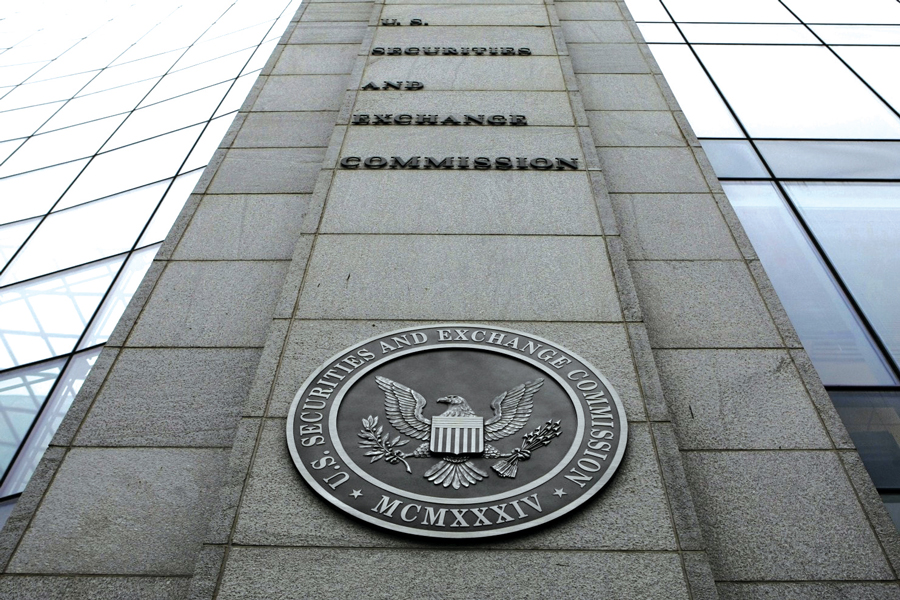
City National Rochdale, the wholly-owned registered investment advisory unit of New York-based City National Bank, has agreed to pay more than $30 million to settle charges brought by the SEC that the RIA's undisclosed conflicts of interest defrauded clients.
The Securities and Exchange Commission also censured the firm.
The money that the City National unit pays will be placed into an SEC fund to be distributed to harmed investors, the agency said in a release.
According to the SEC’s order, from at least 2016 through 2019, City National Rochdale, which has discretionary authority over client accounts, didn't let clients know that it was investing their assets in proprietary mutual funds that generated fees for the RIA and its affiliates, rather than in the funds of competitors that might charge lower fees.
The order also found that from at least 2016 until 2019, CNR failed to inform some prospective clients that they could invest in the RIA’s proprietary funds at a lower cost. Clients who opened accounts with certain affiliates of CNR didn't pay 12b-1 fees, but most clients who invested with CNR through their own financial advisers did.
[More: Goldman probed by SEC over messages sent using unapproved services]

Trevor Uhls was charged with wire fraud and money laundering in a criminal complaint filed in U.S. District Court for the Western District of Missouri.

The multigenerational Cedar Rapids firm is joining through a key OSJ as recruiting competition heats up across the wealth space.

New Treasury guidance sets fee caps, defines index-tracking rules, and bars ESG-linked funds from the tax-deferred accounts for minors

Yari Capital's move to Carson continues a run of additions for the $62 billion firm, days after it hired a veteran recruiter from Osaic.

Servo Wealth Management's $210 million book brings the Minneapolis consolidator's total client assets further past $160 billion.
Northern Trust’s Ken Lassner shows advisors how to convert volatility into after-tax portfolio gains
Dan Biagini of American Equity says the steady decline of pensions, longer lifespans and a reset in interest rates are rewriting how advisors build retirement income

