
The market for U.S. Treasuries may be the largest, safest and most liquid in the world at more than $24 trillion.
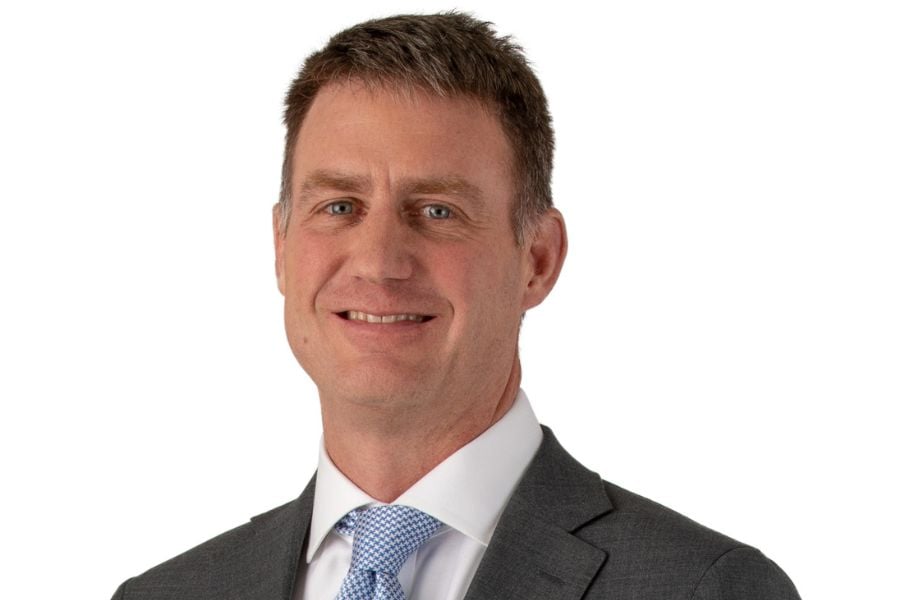
But securitized fixed-income markets totaling over $12 trillion are nothing to sneeze in the current economic environment, with attractive yields, highly diversified products and a troubled history that's now deep in the past, said John Kerschner, head of U.S. securitized products at Janus Henderson Investors.
Securitized markets are basically mortgages, commercial mortgages and asset-backed securities. Like the rest of the bond world, securitized products suffered last year as a result of rising interest rates, redemptions and recession worries.
That recession has been staved off so far in 2023 because of better-than-expected economic growth, high employment and a resilient consumer. Those three factors have also enabled corporate and personal debts like mortgages to be paid, which has caused the performance of securitized products to be better than expected, allowing spreads to tighten.
Kerschner, for one, believes the good times may not be as good for the consumer going forward given the toll the Federal Reserve’s rate hikes are taking on them. That said, he thinks that toll is being taken slowly and that the securitized markets, which have tightened a bit this year, could still tighten further, with a healthy income stream to boot.
“We have many products that are floating rate and as the Fed raises interest rates, that actually increases the yield or the coupon that investors are getting. And so as long as the underlying economy is able to weather these Fed interest-rate hikes, that means the securities and the yield and the income people are getting from the products that we are offering investors is actually going up. And again, that's good for investors,” Kerschner said in an interview with InvestmentNews.
One of those floating-rate loan products is the Janus Henderson AAA CLO ETF (JAAA), which has garnered nearly $4 billion in assets since its introduction in 2021 and has returned 6.1% year-to-date.
“It's over 90% in AAA-rated securities which is why we call it JAAA. And so that's safety with high income or high yield, that's very, very attractive for most investors these days,” Kerschner said.
Kerschner is also bullish on the Janus Henderson Mortgage-Backed Securities ETF (JMBS), which is down less than a percentage point year to date, while sporting a yield of 4.1%. Of course, 15 years ago the idea of buying mortgage-backed securities would have scared any investor considering the carnage of the financial crisis of 2007-2009.
Nevertheless, Kerschner is quick to point out that it was non-agency, subprime mortgages that burned the economy to the ground back then, not the ones wrapped up in this ETF.
“This product is predominantly government guaranteed mortgages, so it’s actually quite safe with an average credit quality of about AA,” he said. “And the thing is that mortgages are very cheap right now because interest-rate volatility has been high, and what's going on with banks and the FDIC having to sell their portfolios.”
Finally, as to how Kerschner’s securitized ETFs compare to short-term Treasuries that are now yielding over 5%, he says it’s a question he gets “almost every day from investors.”
“Investors are used to 0% or close to 0% on T-bills or short Treasuries. Now it's about 5%. But look at JAAA’s Triple-A return so far this year ... north of 6%. If you bought any of the short Treasury ETFs, whether it's BIL or say, SHV or SGOV, those have only returned about 3½%,” he said.

Proposition 40 wealth tax could raise $30 billion, not $100 billion, as departures erode the base and voters remain split

Jump is piping FMG marketing content into post-meeting workflows as Zocks opens its platform to more than 32,000 LPL financial advisors

Trevor Uhls pleaded guilty to one count of wire fraud and one count of money laundering.

Osaic and LPL Financial routinely square off in recruiting advisors from other firms as well as from each other.

Meanwhile, Wealthspire's Ground Control business picks up a $1B private wealth firm in London, and Modern Wealth deepens its presence in California.
Knighthead Life entered the market with a competitive MYGA. A strong launch earned advisor confidence and paved the way for FIAs.
As AI makes financial information more accessible than ever, Lana Hock explains why human judgment, trust, and empathy remain the qualities clients value most in a financial advisor

